
Table of Contents
- How to Choose the Best Lumbar Support Braces for Pain
- Lumbar Support Brace Prescription Requirements
- Insurance Covered Maternity Back Support
- How to Get a Breast Pump Through TRICARE
- When to Wear a Lumbar Support Brace for Back Pain
- Risks of Long-Term Brace Use and Skin Sensitivity
- Conclusion
- Frequently Asked Questions
Last Updated: September 28, 2026
How to Choose the Best Lumbar Support Braces for Pain
Finding the best lumbar support braces for pain starts with matching the brace to your body, your condition, and how long you’ll wear it each day.
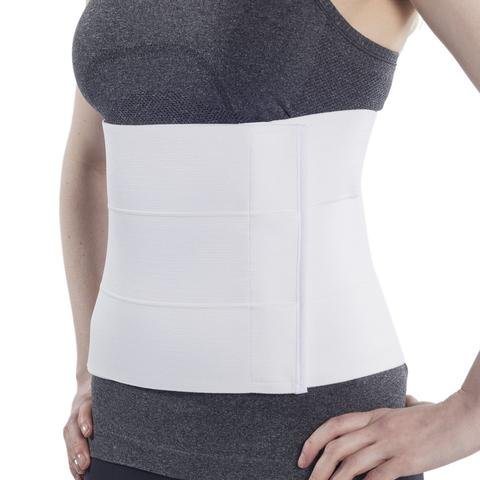
A lumbar support brace is a wearable orthopedic device that wraps the lower back to limit painful motion, support spinal alignment, and ease pressure on the lumbar region. It won’t cure a herniated disc or reverse scoliosis, but it can make sitting, standing, and moving through your day noticeably more tolerable.
Support Levels: Light vs. Heavy Duty
Light support suits desk work and mild aches. These braces use elastic panels, flexible stays, and a slim waist belt that fits under clothing. They’re comfortable enough for a full workday, which matters because an uncomfortable brace ends up in a drawer.
| Support Level | Best For | Key Features | Wear Time |
|---|---|---|---|
| Light | Desk work, mild pain | Flexible stays, slim profile | Most of the day |
| Moderate | Chronic back pain | Adjustable straps, mesh back | Several hours |
| Heavy duty | Injury recovery, acute pain | Rigid stays, wide belt | Short, task-based |
Adjustability and Fit Features
Look for adjustable straps, a hook-and-loop closure, and breathable mesh. Adjustability determines whether the brace still fits after your body changes, and it will change, pregnancy, weight fluctuation, and post-surgical swelling all shift your waist circumference. A breathable mesh panel keeps skin dry during long wear, which reduces irritation.
How to Measure for a Lumbar Support Brace
Most sizing errors come from using your pants size instead of your body measurement. Here’s the protocol most fitters use:
- Stand relaxed and exhale normally, don’t suck in.
- Wrap a soft tape measure around your waist at the level of your navel, not at your belt line.
- Record the number in inches. If you’re between sizes, size up, because a brace that’s too small won’t close properly and a brace that’s too large slides.
- Re-measure every four to six weeks during pregnancy or recovery.
If you’re ordering through insurance, ask your supplier to confirm the size against the manufacturer’s chart before the order ships.
Bracing for Specific Activities
A brace that works for heavy lifting is not the brace you want for an eight-hour desk shift. Match the brace to the task:
- Heavy lifting or warehouse work: heavy-duty support with rigid stays and a wide belt, worn only during the lift or shift.
- Office ergonomics: light or moderate support with a slim profile that fits under clothing, paired with chair adjustments and standing breaks.
- Post-surgical recovery: the brace your surgeon specifies, worn exactly as directed and tapered on their schedule.
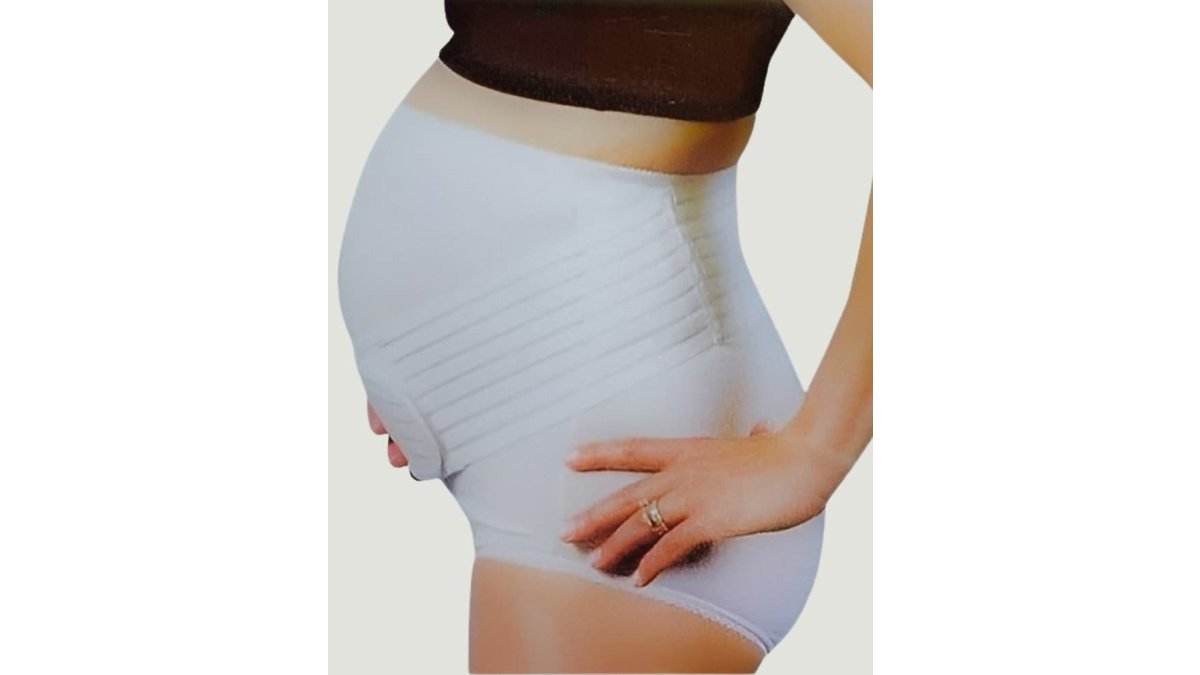
- Pregnancy: an adjustable maternity brace that grows with you and supports the lower back and belly.
The Muscle Atrophy Question
This is the part most product pages skip. Your core muscles adapt to whatever support they’re given. If a brace does the stabilizing for months on end, those muscles can lose strength, and the pain can return worse once you stop wearing it. The responsible approach is to use the brace as a tool during flare-ups and provoking activities, then taper as your core stability improves.
Skin Sensitivity and Material Quality
Adhesive edges, synthetic liners, and trapped moisture cause contact dermatitis in people with sensitive skin or allergies to certain fabrics. Breathable mesh and a cotton layer under the brace help. So does washing the brace and letting your skin breathe for a few hours daily. If you develop a rash, stop wearing the brace against bare skin and talk to your provider before continuing.
Lumbar Support Brace Prescription Requirements
A prescription isn’t always required to buy a lumbar support brace, but it usually is required for insurance to pay for one. Most plans treat braces as durable medical equipment, and DME coverage generally needs a physician’s order, a diagnosis code, and documentation showing the brace is medically necessary.
Insurance Covered Maternity Back Support
Insurance covered maternity back support follows the same DME path as other orthopedic equipment, which surprises a lot of expecting parents. A maternity brace isn’t a comfort accessory in the eyes of most plans. It’s prescribed support for a documented condition, and it needs the same order and authorization trail.
Ask your OB for the brace order early, ideally in the second trimester. Orders take time to route through insurance, and you don’t want to be chasing paperwork while you’re uncomfortable and short on sleep.
How to Get a Breast Pump Through TRICARE
Getting a breast pump through TRICARE is straightforward once you know the sequence, and once you understand that the benefit is split into two categories that follow different rules. Most people who get stuck are stuck because they applied the wrong category to their situation.
The Two Benefit Categories
- Hospital-grade pumps (rental): covered when there’s a medical need, such as a premature infant, a NICU stay, or a condition that prevents the baby from nursing directly. These are typically rented rather than purchased, and the authorization runs through the medical benefit.
- Personal-use pumps (purchase): covered for a mother who is breastfeeding or expressing milk for a healthy infant. These are yours to keep, and the authorization runs through the pharmacy or DME benefit depending on your plan.
Knowing which category applies to you determines what paperwork your provider needs to submit, so confirm it before you ask for a prescription.
Check Your Insurance Coverage →
The Sequence That Works
- Confirm your coverage and your baby’s expected due date.
- Get a prescription from your OB or midwife that names the pump category and, if required, the medical need.
- Choose a supplier that submits the authorization on your behalf.
- Wait for approval, then receive the pump at home.
Where Claims Stall
The same paperwork problems that delay lumbar brace claims delay pump claims. Missing diagnosis codes, a prescription that doesn’t specify the pump category, and orders written months before the purchase date all trigger denials. A supplier who collects the order directly from your provider’s office and confirms the codes before submission can help avoid most of these.
Maternity Back Support Belongs in the Same Order
Pregnancy changes your center of gravity and loads the lumbar region differently, so a brace that worked at 20 weeks may not fit at 34 weeks. Adjustable straps matter more here than anywhere else. Insurance covered maternity back support follows the same DME path as other orthopedic equipment, which surprises a lot of expecting parents, a maternity brace isn’t a comfort accessory in the eyes of most plans.
What We Handle for You
At General Home Medical Supply, we handle the authorization from start to finish. We contact your insurance, collect the prescription from your provider, confirm the codes, and ship the breast pump and maternity back support to your home at no charge, with free shipping. You don’t re-explain your situation to three different call centers, and you don’t pay out of pocket for the equipment or the delivery.
TRICARE’s covered breast pump benefit details
When to Wear a Lumbar Support Brace for Back Pain
Wear a brace during the activities that provoke your pain, not around the clock. Most people get the most benefit from bracing during lifting, prolonged standing, long drives, and the hours when chronic back pain tends to flare.
Wearing a brace 12 hours a day for months without tapering can weaken the muscles that support your spine. The brace becomes the support, and your core stops doing the work.
Risks of Long-Term Brace Use and Skin Sensitivity
Long-term brace use carries two risks that most product pages skip: muscle atrophy and skin irritation. Your core muscles adapt to whatever support they’re given. If a brace does the stabilizing for months on end, those muscles can lose strength, and the pain can return worse once you stop wearing it.
Conclusion
Back pain and postpartum recovery both demand equipment that actually fits, and the paperwork behind that equipment is where most people get stuck. General Home Medical Supply handles prescription coordination, insurance authorization, and billing so your brace and breast pump arrive at your door without a fight. We ship to your home at no charge, with free shipping, and we work directly with TRICARE and other plans to get approval before anything ships.
Frequently Asked Questions
Does insurance cover lumbar support braces for pregnancy?
Many insurance plans, including TRICARE, cover maternity back support when a physician or midwife provides a prescription and documents medical necessity. Coverage depends on your specific plan and the supplier’s network status. General Home Medical Supply handles all authorization paperwork and coordinates with your provider, so you do not have to manage the back-and-forth. If you are pregnant and experiencing lower back pain, ask your OB about a prescription for a lumbar support brace.
How do I get a prescription for a back brace?
Ask your physician, chiropractor, or physical therapist during a regular visit. Describe your lower back pain, sciatica symptoms, or pregnancy-related discomfort and request a prescription for a lumbar support brace. The prescription should include the diagnosis code and the type of brace recommended. Once you have it, General Home Medical Supply can handle the rest, including insurance authorization and free home delivery, so the brace arrives without you needing to visit a store.
Can I get a breast pump and back support brace at the same time through insurance?
Yes. TRICARE and many commercial plans cover both a hands-free breast pump and a maternity lumbar support brace when each is prescribed separately with the appropriate diagnosis. General Home Medical Supply coordinates both items under one authorization process and ships them to your home at no charge with free shipping. This saves you from juggling multiple suppliers and ensures both pieces of equipment arrive before your due date.
How long should I wear a lumbar support brace for back pain?
Wear the brace during activities that trigger pain, such as lifting, prolonged standing, or walking, and remove it during rest. Most physicians recommend limiting daily wear to a few hours at a time to avoid weakening your core muscles. If you have chronic back pain, your provider may suggest a schedule that alternates bracing with physical therapy. Always follow your doctor’s guidance and report any skin irritation or increased discomfort.