
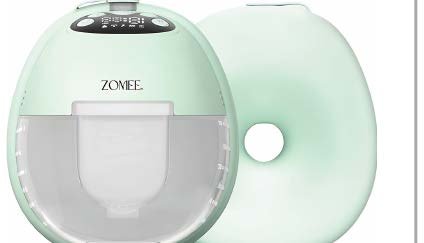
Table of Contents
- Are Generic Medical Supplies Effective? The Short Answer
- Generic Drugs vs. Generic Medical Devices: A Key Difference
- How to Verify Generic Medical Supply Quality Before You Buy
- How to Get a Breast Pump Through Insurance
- Tricare Coverage for Maternity Supplies: What You Should Know
- Cost-Savings and Clinical Outcomes: What the Evidence Shows
- Conclusion: Making an Informed Choice About Generic Medical Supplies
- Frequently Asked Questions
Last Updated: October 2, 2026
Are Generic Medical Supplies Effective? The Short Answer
Yes. Generic medical supplies are effective when they meet the same regulatory standards as brand-name counterparts.
Generic drugs are chemically identical to brand-name drugs in active ingredient, strength, and dosage.
At General Home Medical Supply, we handle prescription coordination and insurance authorization for maternity equipment every day. Below, we cover how generic supplies are regulated, how to check quality, and how Tricare members can get a hands-free breast pump and maternity back support delivered to their door with authorization handled for them.
Maternity equipment is one of the most commonly denied categories in insurance billing. Getting the paperwork right the first time is the difference between a covered pump and a surprise invoice.
Generic Drugs vs. Generic Medical Devices: A Key Difference
Generic drugs and generic medical devices are regulated under different FDA pathways, which explains most of the confusion about whether generic supplies “work.” For drugs, the FDA requires bioequivalence testing: a manufacturer must show its product delivers the same active ingredient at the same strength and rate as the branded medication. Medical devices do not work that way. A breast pump or lumbar support brace is not a chemical compound, so there is no bioequivalence test.
Generic drugs are proven chemically equivalent to brand names. Generic medical devices are cleared through a separate FDA pathway based on device class and manufacturing standards. Different question, different answer.
How the FDA Regulates Medical Equipment and Supplies
The FDA regulates medical equipment and supplies through a risk-based classification system, with scrutiny scaling to how much harm a device could cause if it failed. Class I devices carry the lowest risk and are subject to general controls like labeling and manufacturing registration. Class II devices, including many home-use and maternity devices, typically require additional controls and often a premarket notification before sale. Class III covers the highest-risk devices and requires the most rigorous premarket approval. For a maternity back support or breast pump, the manufacturer must register with the FDA, follow quality system requirements, and label the product accurately. You can check a device’s clearance status through the FDA’s public device databases.
How to Verify Generic Medical Supply Quality Before You Buy
Verifying generic medical supply quality comes down to four quick checks.
- Confirm FDA clearance or registration. Search the manufacturer and product name in the FDA’s device databases. If a supplier cannot point you to a clearance number, treat that as a red flag.
- Ask who the manufacturer is. A distributor selling a “generic” pump should be able to name the actual manufacturer. Vague answers usually mean a supply chain nobody is tracking.
- Check the labeling. Legitimate devices carry clear labeling with the manufacturer’s name, instructions for use, and any contraindications. Missing or photocopied labeling is a warning sign.
- Confirm it matches your prescription. A device that is FDA-cleared but is not the model your clinician prescribed may not be covered, and may not fit your needs.
Supply chain transparency is where most buyers get stuck.
A common mistake is assuming a lower price means lower quality. Price differences in this category often reflect brand marketing and distribution markup rather than manufacturing standards. The verification step, not the price tag, tells you whether a device is legitimate.
How to Get a Breast Pump Through Insurance
Getting a breast pump through insurance is a paperwork process, not a shopping process, and the steps follow a predictable order.
- Get a prescription from your clinician. Most plans require a written prescription, and it should specify the type of pump.
- Confirm your plan’s coverage rules. Plans differ on whether they cover a manual pump, a standard electric pump, or a hands-free model, and on when during pregnancy you can order.
- Choose a supplier that handles authorization. This is where most delays happen. A supplier that manages authorization and billing directly with your insurer removes the back-and-forth between your doctor’s office and the plan.
- Wait for authorization, then confirm shipping. Once the plan approves, the supplier ships the pump to your home.
- Keep your documentation. Save the prescription, the authorization confirmation, and the shipping notice.
For Tricare members, the process runs through the plan’s own coverage rules. General Home Medical Supply obtains all authorizations directly from your insurance and ships the breast pump and maternity back support to your home at no charge, with free shipping.
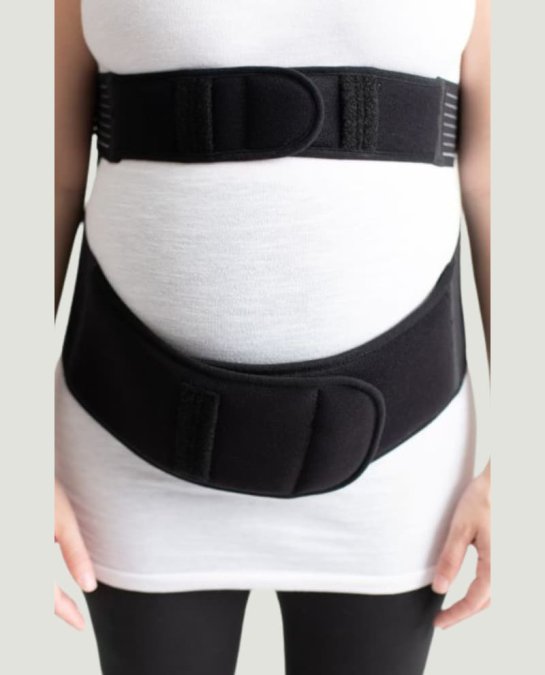
Order earlier than you think you need to. Authorization can take time to process, and you do not want to be chasing paperwork in the week you are due. Starting the request in your second trimester gives you a buffer.
Tricare Coverage for Maternity Supplies: What You Should Know
Tricare coverage for maternity supplies follows the plan’s own rules for breast pumps and maternity support items, and specifics depend on your plan and your clinician’s prescription.
What Tricare covers for maternity equipment
Tricare covers breast pumps for members who are pregnant or recently gave birth, and coverage typically requires a prescription. The type of pump covered, manual, standard electric, or hands-free, depends on your plan and the medical documentation your clinician provides. Maternity back support and postpartum abdominal binders are generally treated as prescribed equipment, so the prescription triggers coverage.
For a hands-free breast pump specifically, the qualification usually comes down to two things:
- The prescription must specify the pump type. A generic “breast pump” prescription may only support a standard electric model. If your clinician documents a hands-free model as medically appropriate, that documentation supports the authorization.
- The supplier must be able to bill your plan. Not every supplier works with Tricare. A supplier without the plan set up in its billing system will route you back to square one.
The documentation that prevents denials
Most denials in this category are documentation problems, not eligibility problems. The paperwork that most often resolves a denial includes:
- A prescription that names the equipment and, where relevant, the pump type
- Clinical notes from your clinician supporting the medical need
- Your plan and member information, correctly formatted
- Any prior-authorization forms your plan requires for the equipment category
When those four items are submitted together the first time, the denial-and-resubmit cycle is largely avoided. When one is missing, the plan sends the request back, and the clock restarts.
Timing: when to start the request
Authorization takes time to process, and timing rules vary by plan. Start the request in your second trimester to build in a buffer if the plan asks for additional documentation.
Do not assume a denial is final. Many denials stem from missing documentation rather than ineligibility. Resubmitting with the correct prescription and supporting notes resolves a large share of these cases.
How the authorization process works with a supplier that handles it
This is where the authorization work matters most. A supplier that submits the prescription and documentation correctly the first time avoids the denial-and-resubmit cycle that delays delivery.
Check Your Insurance Coverage →
You can review Tricare’s official coverage information for maternity and breast pump benefits for the current terms, or let a supplier that works with the plan regularly confirm the rules for your specific plan.
| Step | What Happens | Who Handles It |
|---|---|---|
| Prescription | Clinician documents the equipment you need, including pump type | Your clinician |
| Authorization | Plan reviews and approves coverage | General Home Medical Supply coordinates |
| Shipping | Approved equipment ships to your home | General Home Medical Supply, free shipping |
| Delivery | Breast pump and back support arrive | You |
Ask your clinician to note the pump type in the prescription. A prescription that names a hands-free model gives the plan the documentation it needs to authorize that model, rather than defaulting to a standard electric pump.
Cost-Savings and Clinical Outcomes: What the Evidence Shows
Cost-savings from generic and insurance-covered supplies come from two places: the lower manufacturing and distribution cost of non-branded equipment, and the fact that covered equipment shifts the cost to your plan rather than your pocket. But the more useful question for a Tricare member is not “is it cheaper?” but “does the equipment actually work?”
Where the savings actually come from
Generic and non-branded medical equipment is typically less expensive for three structural reasons, none involving safety shortcuts:
- No brand marketing spend. Branded devices carry advertising and brand-management costs that non-branded equivalents do not.
- Distribution markup. A device sold through a retail chain passes through more hands, and more markups, than one shipped directly from a supplier to your home.
- Insurance negotiation. When a supplier bills your plan directly, the plan’s contracted rate is usually lower than the cash retail price, and your out-of-pocket share is set by your plan’s rules, not by the sticker price.
That last point is the one most people miss. A device that looks expensive at retail can be fully covered through your plan, and a device that looks cheap online may not be covered at all if it is not the model your clinician prescribed.
What the clinical evidence actually measures
For drugs, the evidence question is bioequivalence, a measurable, laboratory-verified property. For maternity devices, the evidence question is different.
- Breast pumps. The outcome that matters is whether the pump effectively empties the breast and supports milk supply. That depends on suction strength, flange fit, cycle settings, and consistent use. A pump that meets FDA requirements for its device class but has the wrong flange size will underperform a well-fitted pump every time.
- Maternity back support. The outcome that matters is whether the support reduces strain on the lumbar spine and improves posture during pregnancy. That depends on fit, adjustability, and whether the wearer actually keeps it on. A brace that slips or digs in gets taken off, and a brace that is off does nothing.
- Abdominal binders. The outcome that matters is postpartum support and comfort during recovery. Again, fit and adjustability drive whether the device is used.
In other words, the clinical outcome for maternity equipment is not a lab number but a use-and-fit outcome, which is why the verification steps earlier matter more than the label on the box.
The pattern most practitioners see
The common pattern is not “generic equipment fails” but “equipment that does not fit or was never authorized does not get used.” A back support that fits correctly supports posture and reduces strain during pregnancy.
For anyone managing chronic lumbar pain or posture-related back pain, the same logic applies: a properly fitted lumbar support is a functional device, and fit determines whether it helps.
For drugs, effectiveness is proven in a lab. For maternity devices, effectiveness is proven in daily use, which means fit, function, and authorization matter more than the brand name.
Why authorization is part of the outcome
A device that is never authorized is a device you never receive. A device that is authorized but does not match your prescription may not be covered and may not fit your needs. That is why authorization is not just a billing formality, it determines whether the right equipment reaches your home. General Home Medical Supply obtains all authorizations directly from your insurance and ships the breast pump and maternity back support to your home at no charge, with free shipping, removing the denial-and-resubmit cycle that delays delivery.
Conclusion: Making an Informed Choice About Generic Medical Supplies
Whether generic medical supplies are effective has a clear answer once you separate drugs from devices. Generic drugs are proven equivalent. Generic devices are cleared through a different FDA pathway, and their effectiveness comes down to whether they meet regulatory standards and fit your prescription.
That is the part most people skip, and it decides whether the equipment actually helps.
If you have Tricare and need a hands-free breast pump or maternity back support, General Home Medical Supply handles the authorization with your insurance, coordinates the prescription, and ships the equipment to your home at no charge with free shipping. No chasing paperwork, no surprise bills, no re-explaining your situation to three different offices.
Check your insurance coverage with General Home Medical Supply and get your maternity equipment delivered to your door.
Frequently Asked Questions
Are generic medical devices held to the same standards as brand-name versions?
Yes. The FDA classifies medical devices by risk, not by whether they are generic or brand-name. A generic breast pump or maternity support brace must meet the same safety and performance requirements as a brand-name equivalent. For higher-risk devices, the FDA requires premarket review. For lower-risk supplies, manufacturers must still register with the FDA and follow quality system rules. The key is checking that the supplier provides FDA-cleared products and can show you the documentation.
Can I trust generic maternity and postpartum medical supplies?
You can trust them when they come from a reputable supplier that follows FDA rules. Look for products with clear labeling, a known manufacturer, and a supplier that handles insurance authorization properly. Generic maternity supplies like back support braces and abdominal binders are often made in the same facilities as brand-name versions. The difference is usually branding and price, not quality. If you have Tricare, your supplier should confirm coverage and ship directly to your home.
How do I know if my medical supplies are high-quality?
Check three things: FDA clearance or registration, clear labeling with the manufacturer’s name and address, and a supplier that provides documentation on request. For breast pumps, confirm the pump is FDA-cleared and meets your prescription needs. For maternity back support, look for adjustable fit and breathable materials. A reliable supplier will answer questions about manufacturing quality and supply chain transparency before you order.
What are the benefits of using insurance-covered medical equipment?
Insurance-covered equipment reduces your out-of-pocket costs and ensures you get products that meet your plan’s standards. For Tricare beneficiaries, maternity supplies like breast pumps and back support may be covered with a prescription. A supplier that handles authorization can confirm coverage, coordinate with your doctor, and ship the items to your home at no charge. This saves time and avoids surprise bills.