
Table of Contents
- The Best Postpartum Abdominal Binder Types for Recovery
- Comparing Binder Types: Wrap, Panel, and Belt Designs
- How to Choose the Right Binder for Your Recovery
- Pelvic Floor Therapy and Skin Sensitivity: What Most Guides Miss
- Tricare Maternity Support Benefits for Binders and Pumps
- How to Get an Insurance Covered Breast Pump and Binder Delivered
- Safety, Fit, and Comfort: What to Know Before You Wear One
- Conclusion: Choosing Your Binder with Confidence
- Frequently Asked Questions
Last Updated: October 4, 2026
The Best Postpartum Abdominal Binder Types for Recovery
Choosing among the best postpartum abdominal binder types comes down to three designs: wrap-around binders, panel and belt binders, and hybrid postpartum recovery garments. This guide from General Home Medical Supply walks through each design, how to size it, and how to get a binder and a hands-free breast pump covered through Tricare.
Here’s the part most guides skip: the binder is a support tool, not a treatment. It holds your midsection steady while your abdominal wall and core stabilize on their own. Used well, it can ease strain on your lower back and incision site.
Below, we break down the designs, the fit rules, and the insurance steps that matter.
Comparing Binder Types: Wrap, Panel, and Belt Designs
The three main designs differ in how much adjustability they offer and where they place pressure. Wrap-around styles let you fine-tune tension across your whole midsection. Panel and belt styles target specific zones with firmer, more structured compression. Hybrid designs blend both.
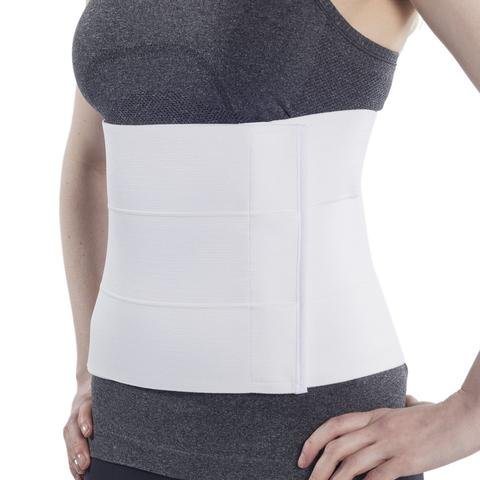
Here’s how they compare:
| Design | Adjustability | Best For | Watch Out For |
|---|---|---|---|
| Wrap-around | High, full-length Velcro | First days after delivery | Can loosen as you move |
| Panel/belt | Moderate, zoned | Targeted lumbar support | Firmer feel, less forgiving |
| Hybrid | High, layered | C-section recovery | Bulkier under clothing |
Wrap-Around Binders
Wrap-around binders use long adjustable Velcro straps that cross your abdomen and fasten wherever the tension feels right. They suit the early postpartum days, when post-pregnancy swelling shifts and your midsection changes hour to hour. The trade-off: a wrap can loosen as you move, so you may need to re-tighten it a few times a day.
Panel and Belt Binders
Panel and belt binders use a structured front panel with side straps. They deliver firmer, more consistent abdominal compression and tend to hold their position better than wraps. If you want lumbar support for long stretches of standing or sitting, this design is worth a close look.
How to Choose the Right Binder for Your Recovery
Start with your delivery type, then match the design to your daily routine. A C-section typically calls for a binder that protects the incision without pressing directly on it. A vaginal delivery usually gives you more freedom to choose based on comfort and back support.
Ask yourself three questions:
- Will I wear it mostly at rest or while moving around?
- Do I need firm lumbar support, or light midsection support?
- How sensitive is my skin to constant pressure and fabric?
A common mistake is buying the tightest binder you can tolerate. Firmer is not better. A binder should feel supportive, not restrictive, and you should be able to breathe and move normally.
Sizing Fluctuations in the First 6 Weeks
Your size will change during the first six weeks, sometimes noticeably. Post-pregnancy swelling and fluid retention ease over time, and your midsection shrinks as your uterus returns to its pre-pregnancy size, a process called uterine involution. A binder that fits perfectly on day three may feel loose by week four.
The fix is adjustability. Choose a design with many adjustable Velcro straps, and recheck the fit weekly. If you are between sizes, size up and tighten the straps rather than squeezing into a smaller garment.
Measure your waist at the same time each morning, before you eat, for the first two weeks. Tracking that single number tells you when to tighten your binder instead of guessing.
Pelvic Floor Therapy and Skin Sensitivity: What Most Guides Miss
Two issues get almost no attention in typical binder guides, yet they decide whether you actually stick with wearing one. Handling both well is what separates a binder that helps from one that sits in a drawer.
Your Pelvic Floor Is a Separate System
An abdominal binder supports your midsection, but it does not train the muscles that control bladder and bowel function. Those muscles, the pelvic floor, sit at the base of your pelvis and work as a coordinated group.
Pelvic floor physical therapy is the evidence-based route. A pelvic floor physical therapist performs an internal and external assessment, checks for weakness, tightness, or coordination problems, and builds a plan around your specific delivery.
The two tools do not compete.
Managing Skin Under a Binder
Wearing a compression garment for hours a day traps heat and moisture against your skin. That environment, warm, damp, and under pressure, is exactly what triggers irritation, especially over a healing C-section incision.
A few practical habits reduce the risk:
Check Your Insurance Coverage →
- Choose breathable, moisture-wicking fabric over non-breathing synthetic blends.
- Wear a thin cotton layer between the binder and your skin rather than placing it on bare skin.
- Remove the binder for short breaks during the day so skin can dry.
- Keep the incision area clean and dry, and follow your surgeon’s wound-care instructions.
- Wash the binder regularly according to the manufacturer’s directions.
Watch for redness, itching, a rash that does not fade within a day of removing the binder, or any drainage or opening at the incision. If that happens, stop wearing it and talk to your clinician before resuming.
If you had a C-section, ask your provider whether a soft pad between the binder and your incision is appropriate. Many people find it reduces friction during the first two weeks.
When to Pause Binder Use
Stop and check with your clinician if you notice increased pain, swelling, numbness, tingling, shortness of breath, or signs of a wound infection. A binder should never be worn so tight that it restricts breathing or causes numbness in your legs or feet.
Tricare Maternity Support Benefits for Binders and Pumps
Tricare maternity support benefits can cover both a postpartum abdominal binder and a breast pump when they are medically necessary and properly authorized.
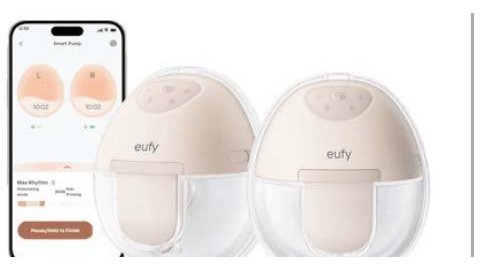
The practical path is straightforward: your provider documents the need, the supplier handles the authorization, and the equipment ships to your home. That is exactly the process we manage at General Home Medical Supply.
For Tricare members, we confirm what your plan requires before anything ships. If a step is missing, we tell you what is needed instead of leaving you to chase it.
Never assume a binder or pump is covered just because a provider recommended it. Authorization has to happen before the item ships, or you can end up responsible for the bill. Confirm coverage first.
How to Get an Insurance Covered Breast Pump and Binder Delivered
Getting an insurance covered breast pump and a maternity back support delivered is mostly an authorization process, not a shopping one. The steps below are the ones that decide whether you pay nothing or get an unexpected bill.
- Get your prescription. Ask your provider for a written order for the breast pump and, if needed, the abdominal binder and maternity back support. The prescription should state the medical need and, for a breast pump, specify that you are requesting a hands-free model.
- Share your insurance details. Give the supplier your plan information so they can verify benefits and network status. For Tricare, that means your plan type and your regional contractor.
- Let the supplier handle authorization. We submit the request, follow up with your insurer, and confirm approval before shipping.
- Confirm the equipment matches the order. The items shipped should match what your provider prescribed, including size and type.
- Receive it at home. Once approved, the equipment ships to your address.
What Tricare Specifically Requires
Tricare maternity support benefits can cover both a postpartum abdominal binder and a breast pump when they are medically necessary and properly authorized. Coverage depends on your specific Tricare plan, your provider’s prescription, and the supplier’s network status. Because those details vary by plan, confirm your own benefits directly with Tricare or your regional contractor rather than relying on general guidance.
A few details matter more than people expect:
- Timing. Breast pump coverage is typically tied to pregnancy and the postpartum period, so the prescription window matters. Start the process before your due date when possible.
- Hands-free pumps. A hands-free breast pump is a specific category of equipment. Your prescription should name the type of pump your provider is ordering so the authorization matches the item shipped.
- Maternity back support. A maternity back support or abdominal binder is often covered when your provider documents a medical need, such as lower back pain or post-surgical support.
- Network status. Using an in-network supplier keeps your out-of-pocket responsibility predictable. Confirm network status before anything ships.
How We Handle It for You
The practical path is straightforward: your provider documents the need, the supplier handles the authorization, and the equipment ships to your home. That is exactly the process we manage at General Home Medical Supply.
For Tricare members, we confirm what your plan requires before anything ships. If a step is missing, we tell you what is needed instead of leaving you to chase it.
The single most important step is authorization before shipment. When the supplier manages that for you, you avoid the back-and-forth between your provider and your insurer, and your hands-free breast pump and maternity back support arrive at your door with no charge to you and free shipping.
Safety, Fit, and Comfort: What to Know Before You Wear One
Comfort and safety come down to fit and wear time. A binder should feel snug but never painful, and you should be able to take a full breath without resistance.
A few ground rules:
- Never wear a binder so tight that it restricts breathing or causes numbness.
- Keep it off bare, damp skin to reduce irritation.
- Check your skin daily for redness or pressure marks.
- Follow your clinician’s guidance on when to start and how long to wear it each day.
If you had a C-section, ask your provider how the binder should sit relative to your incision. Some people need padding between the binder and the incision to protect it during healing. If you feel sharp pain, increased swelling, or shortness of breath, remove the binder and seek medical care.
Conclusion: Choosing Your Binder with Confidence
The right binder is the one that fits your body, your delivery, and your daily routine, and the one your insurance actually covers. If you have Tricare, the authorization step is where most people get stuck, and it is the step we take off your plate.
General Home Medical Supply coordinates your prescription, manages the insurance authorization, and handles the billing. We ship your breast pump and maternity back support directly to your home at no charge, with free shipping.
Frequently Asked Questions
What are the different types of postpartum abdominal binders?
Most fall into three groups: wrap-around binders that use long adjustable velcro straps, panel-style binders with a wide front section, and belt designs that sit lower on the hips. Wrap styles suit changing waist sizes in the first weeks, panels give firmer abdominal compression, and belts work well for lumbar support. The right choice depends on your delivery type and how much compression your clinician recommends.
Is it possible to get a postpartum abdominal binder covered by insurance?
Often yes, when a clinician documents a medical need such as abdominal wall support or diastasis recti. Tricare maternity support benefits can cover a binder and a hands-free breast pump when they are prescribed and supplied through an authorized provider. General Home Medical Supply handles the prescription coordination and insurance authorization, then ships the binder and pump to your home with free shipping and no charge to you.
How long should I wear an abdominal binder postpartum?
Many clinicians suggest wearing it for a few hours at a time during the day and removing it for sleep, gradually increasing wear as tolerated. If you had a c-section, follow your surgeon’s instructions on incision protection. Stop and call your provider if you notice numbness, tingling, skin irritation, or increased pain, since those can signal the binder is too tight or the wrong size.
Is 3 months postpartum too late to wear a belly binder?
It is not too late, but the goal changes. In the early weeks a binder mainly supports post-pregnancy swelling and incision protection; later it can help with posture correction and lumbar support during lifting and carrying. Ask your provider or a pelvic floor physical therapist whether a binder fits your recovery plan, since core stabilization work is usually the bigger priority after the first six weeks.