
Quick Summary
To store breast milk safely after pumping, put it in a clean, labeled container right away and cool it quickly. Freshly pumped milk can sit at room temperature for up to 4 hours, stay cold in an insulated cooler for up to 24 hours, last up to 4 days in the refrigerator, and keep in the freezer for months.
- Use containers made for breast milk and label each one with the date and time.
- Keep milk in an insulated cooler with ice packs when you cannot reach a refrigerator.
- Store milk in the back of the main refrigerator compartment, not the door.
- Thaw frozen milk in the refrigerator overnight or under cool running water, never on the counter.
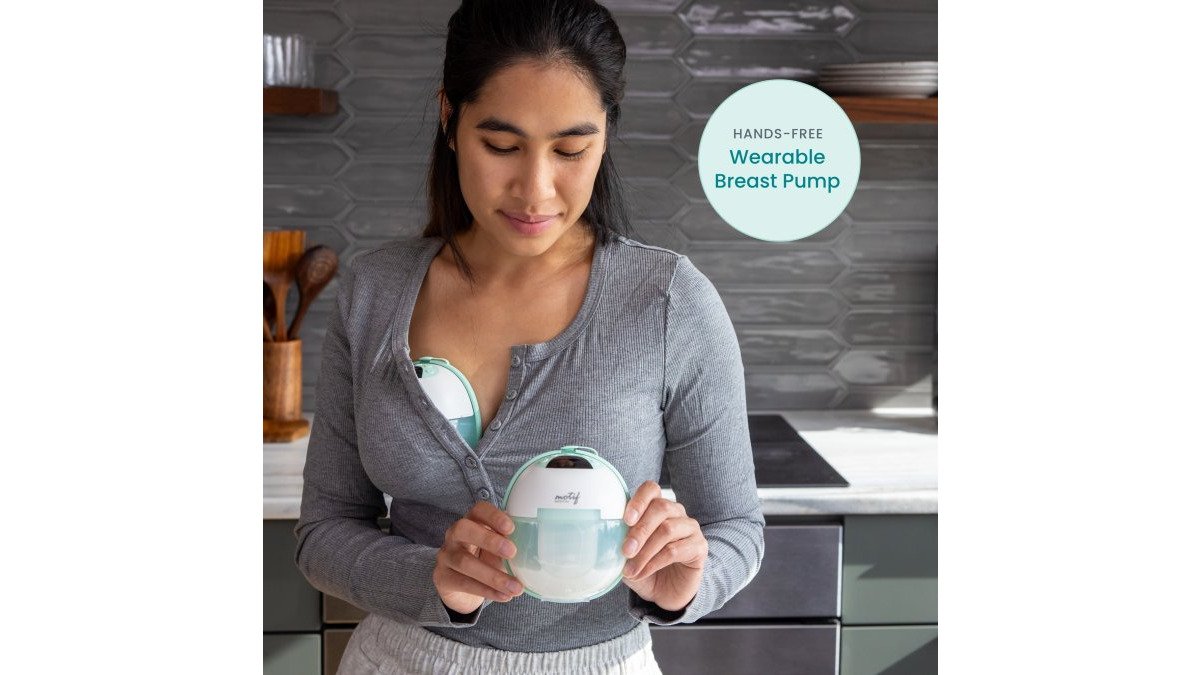
- TRICARE members who need a hands-free breast pump get authorization handled and free shipping to their home.
Table of Contents
- Why Proper Breast Milk Storage Matters After Pumping
- How to Store Breast Milk After Pumping at Work
- Breast Milk Storage Time at Room Temperature, Refrigerator, and Freezer
- Choosing Breast Milk Storage Bags and Containers
- How to Thaw and Warm Breast Milk Safely
- Storing Milk During Power Outages and Equipment Failures
- Scheduling Your Pump and Storage Supplies Through Insurance
- Frequently Asked Questions
7 Steps to Store Breast Milk Safely After Pumping
Last Updated: November 3, 2026
Why Proper Breast Milk Storage Matters After Pumping
Storing breast milk the right way protects your baby from germs and keeps the milk’s nutrients intact.
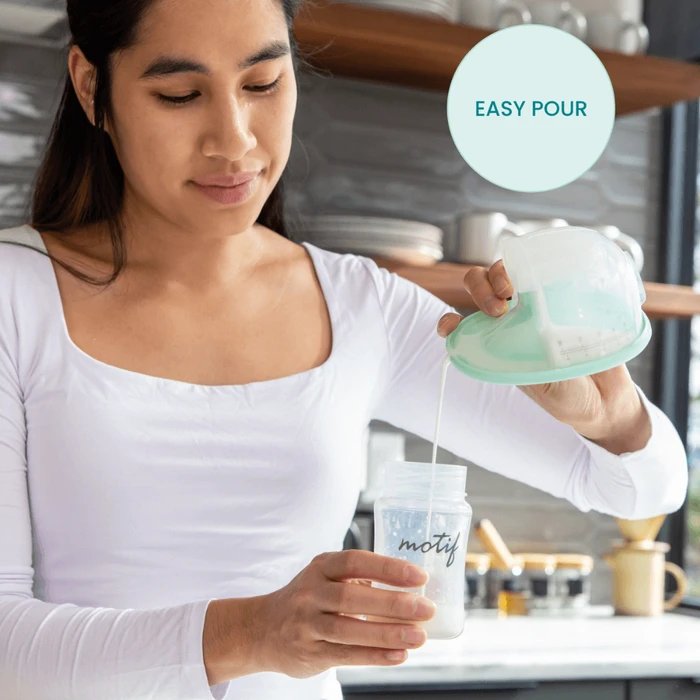
Milk left out too long or stored in the wrong container can grow bacteria. Good storage habits lower that risk and help you use every ounce you pump.
- Clean hands and clean equipment come first
- Cool milk quickly after each pumping session
- Use containers made for breast milk
- Label every bag or bottle with the date and time
How to Store Breast Milk After Pumping at Work
Pumping at work takes planning, but it is very doable. If you have TRICARE and need a hands-free pump, see how to get one covered at no cost before you buy storage gear. Keep a small insulated cooler with ice packs at your desk or in a staff fridge that you can reach easily. Find out whether a hands-free pump can be obtained through your insurance before you set up your work routine.
Follow these simple steps at work:
- Store milk in a clean, labeled bag or container right after pumping
- Place it in the cooler with ice packs until you reach the fridge
- Ask if your workplace has a shared fridge and label your milk clearly
- Keep your pump parts clean between sessions
Breast Milk Storage Time at Room Temperature, Refrigerator, and Freezer
Storage limits are set by temperature, not by convenience. The widely cited guidance from the CDC and the Academy of Breastfeeding Medicine sorts freshly pumped milk into four holding environments, and each one has its own clock.
| Holding environment | Temperature | Maximum hold for freshly pumped milk |
|---|---|---|
| Room temperature | Up to 77°F (25°C) | Up to 4 hours is the commonly cited limit; move it sooner in a warm room |
| Insulated cooler with ice packs | Around 59°F (15°C) or colder | Up to 24 hours during transport |
| Refrigerator | 40°F (4°C) or colder | Up to 4 days is the standard guidance; up to 6 days is sometimes cited for very clean handling |
| Freezer compartment inside a refrigerator | Around 5°F (−15°C) | Up to 2 weeks |
| Freezer section of a refrigerator-freezer combo | 0°F (−18°C) or colder | Up to 3 months is the conservative figure; 6 months is often cited as optimal |
| Separate deep freezer | −4°F (−20°C) | 6 to 12 months |
A few mechanics explain why the numbers differ so much. Bacterial growth slows as temperature drops, so the freezer buys you months rather than hours.
Watch out: These limits apply to milk that was pumped into a clean container with clean hands and pump parts. If any part of that chain was compromised, shorten the window rather than stretch it.
A quick decision tree for choosing where to store milk
Rather than memorizing the table, work backward from when the milk will be used:
- Feeding within the next few hours? Leave it at room temperature and skip the refrigerator entirely.
- Feeding today or tomorrow? Refrigerate it in the back of the main compartment.
- Feeding within the next few days to a couple of weeks? Freeze it in the freezer compartment, labeled with the date.
- Feeding weeks or months from now? Use the freezer section or a deep freezer and rotate oldest-first.
- Away from a refrigerator right now? Pack it in an insulated cooler with ice packs and treat 24 hours as the outer limit.
When general guidance may not apply
If your baby was born prematurely or has a medical condition that affects immune function, the standard time limits may be more permissive than your care team wants. In those cases, follow the individualized instructions from your pediatrician or the hospital’s neonatal staff rather than the general table above. The same applies if your baby is in a neonatal intensive care unit, where facilities often have their own labeling and handling protocols.
Power outages and equipment failures
A refrigerator or freezer failure puts stored milk on a clock you did not plan for. Keep the doors closed as much as possible; a full freezer holds its temperature longer than a half-empty one, and grouping bags together slows warming. If the outage stretches on, move milk into a cooler with ice packs and treat it as cooler-stored milk under the 24-hour limit. Discard milk that has clearly warmed past refrigerator temperature for an extended period, and when you are unsure, err toward discarding rather than feeding.
Storage for work, travel, and shared caregiving
Real-world storage is a handoff problem as much as a temperature problem. For workdays, pack a small insulated cooler with enough ice packs to keep milk cold through your commute and label every bag with the date and time before it goes in. For travel, keep milk in the cooler until you reach a refrigerator, and never leave it in a hot car. For shared caregiving, write the date, time, and your baby’s name on each container so a sitter or family member grabs the oldest milk first and never mixes up bags. A single end-to-end routine, pump, label, cool, transport, refrigerate or freeze, rotate oldest-first, covers all three scenarios.
Choosing Breast Milk Storage Bags and Containers
The container you choose affects how long milk keeps, how much you can fit in the freezer, and how easily you can thaw and feed. There is no single best option; each material trades off cost, durability, and space.
- Breast milk storage bags: Designed for freezing, they lay flat and stack, which makes them the most space-efficient choice for building a stash. They are single-use, so they cost more over time, and they can tear at the seams if handled roughly. Fill only about three-quarters full so the milk has room to expand as it freezes.
- Hard plastic containers: Reusable and rigid, they protect milk well and are easy to label. They take up more freezer space than bags and can crack if dropped while frozen. Look for food-grade plastic made for milk storage.
- Glass containers: Do not absorb odors or stains, clean thoroughly, and are easy to sanitize. They are heavy, breakable, and not ideal for transport or for freezing unless the manufacturer says the jar is freezer-safe.
Avoid containers that were not made for food storage, including disposable bottles, single-use water bottles, and any container that previously held something other than food. Those materials may not be designed for repeated cleaning or freezing.
Check Your Insurance Coverage →
Cleaning and sanitizing before milk goes in
Safe storage starts before the milk leaves the pump. Wash your hands with soap and water before every session. After pumping, rinse pump parts and containers in cool water first, then wash them in hot soapy water, and sanitize according to the pump manufacturer’s instructions. Air-dry parts on a clean towel or drying rack rather than wiping them with a shared cloth.
Watch out: Do not top off a container of chilled milk with freshly pumped milk. Chill the new milk separately first, then combine, because warm milk added to cold milk can raise the whole container into the temperature range where bacteria grow faster.
Labeling containers with the date and time
Write the date and time on every container before it goes into the refrigerator or freezer, not after. Use a permanent marker on the bag’s write-on panel or a printed label on a bottle. Add your baby’s name if the milk will be handled by a sitter, daycare, or family member. Store newest milk behind older milk so you naturally use the oldest first, and check dates before each feeding.
Leftover milk after a feeding
Milk left in a bottle after a feeding should be used within about two hours or discarded, because bacteria from the baby’s mouth enter the bottle during feeding. Milk that was poured but never fed to the baby can generally be refrigerated and used within the same storage windows as freshly pumped milk. Never refreeze milk that has already been thawed.
How to Thaw and Warm Breast Milk Safely
Thaw frozen milk in the refrigerator overnight, or hold the container under cool running water. Do not thaw milk on the counter or in hot water.
Warm milk by placing the container in a bowl of warm water. Swirl gently and avoid boiling or using a microwave. Use thawed milk within 24 hours, and never refreeze it.
Storing Milk During Power Outages and Equipment Failures
Power outages can spoil stored milk. Keep the refrigerator and freezer doors closed as much as possible. A full freezer stays cold longer than an empty one.
If the power is out for a long time, use a cooler with ice packs to hold your milk. Throw away milk that has warmed above safe temperatures, and check local guidance if you are unsure.
Scheduling Your Pump and Storage Supplies Through Insurance
TRICARE members who need a hands-free breast pump can have General Home Medical Supply handle authorization with their insurance. Read the steps for getting a free breast pump through TRICARE to see what to request. We ship the breast pump and maternity back support to your home at no charge, and shipping is free. Learn how covered supplies are shipped to your home and how long delivery takes.
Contact your doctor for a prescription, then reach out to General Home Medical Supply to start the process. Coverage details depend on your plan, so check with General Home Medical Supply for current information.
Frequently Asked Questions
How long can breast milk sit out at room temperature?
Freshly expressed breast milk is generally considered safe at room temperature for up to about 4 hours, and shorter times are better when the room is warm. Milk that has been stored in a cooler with ice packs should be used or moved to the refrigerator within a day. Once a baby has started feeding from a bottle, leftover milk should be discarded after about 2 hours. Check current guidance from the CDC or your baby’s pediatrician for your specific situation, since recommendations can vary for premature or medically vulnerable infants.
Can breast milk be taken out of the refrigerator and put back in?
Yes, milk that has been refrigerated can be returned to the refrigerator if it has not been left at room temperature for too long. Milk that has been thawed from the freezer should be refrigerated and used within 24 hours, and it should not be refrozen. Keeping milk in the back of the refrigerator, rather than the door, helps maintain a steadier temperature. Labeling each container with the date and time you expressed it makes it easier to use the oldest milk first.
Can freshly pumped breast milk be added to milk that is already chilled?
Freshly expressed milk can be added to milk that is already chilled in the refrigerator, as long as the fresh milk has first been cooled in the refrigerator for several hours. Adding warm milk directly to cold milk can raise the temperature of the whole batch and reduce how long it stays safe. Use a clean, food-grade container with a tight-fitting lid, and label the batch with the date of the most recent addition. Use the combined milk within the timeframe for the coolest milk in the batch.
What containers are safe for storing breast milk?
Clean, food-grade containers made of glass or hard plastic with tight-fitting lids are commonly used for storing breast milk. Breast milk storage bags designed for this purpose are also widely available and take up less freezer space, though they should be filled carefully and sealed to prevent leaks. Avoid containers that are not made for food storage, and wash and dry all storage containers and pump parts thoroughly before each use. Check the manufacturer’s labeling to confirm the container is suitable for freezing if you plan to freeze milk.
Ready to get your hands-free breast pump at no cost? Check your insurance coverage with General Home Medical Supply today and have supplies shipped straight to your door.
