
Last Updated: October 30, 2026
Quick Summary
To clean and sanitize breast pump parts, rinse and wash them in warm soapy water after every session, then air dry them fully. Sanitize all parts that touch milk at least once a day, using boiling water, a steam sanitizer, or a chemical sterilizing solution. Always clean before you sanitize, since milk residue can shield germs.
- Clean parts after every pumping session, not just once a day.
- Always clean parts first, then sanitize them, because residue blocks germs.
- Sanitize pump parts that touch milk at least once every day.
- Do not boil the pump motor, electronics, or tubing unless your manual says it is safe.
- Let all parts air dry completely before storing to prevent mold.
Table of Contents
- Why Cleaning and Sanitizing Breast Pump Parts Matter
- Cleaning vs. Sanitizing: What the Difference Is
- Step-by-Step: How to Clean Breast Pump Tubing and Parts
- How to Sanitize Breast Pump Parts Safely
- How Often to Clean and Sanitize Your Pump
- Drying and Storing Parts to Prevent Mold
- Getting a Hands-Free Breast Pump Covered by Tricare
- How to Get Your Insurance-Covered Breast Pump Authorized and Shipped Free
- Frequently Asked Questions
Why Cleaning and Sanitizing Breast Pump Parts Matter
Breast pump parts touch breast milk every time you pump, so they need regular care. Milk residue can grow bacteria and mold if parts sit wet or dirty. Clean parts are an important part of using breast pump equipment safely.

Most parts can be cleaned by hand in a few minutes. The key is doing it right after every session, not once a day. Skipping steps is a common mistake, especially on busy days with a newborn.
Cleaning vs. Sanitizing: What the Difference Is
Cleaning removes milk, dirt, and grease from pump parts. Sanitizing kills most germs left behind after cleaning. You need both steps for safe use.
- Cleaning: Washing with warm soapy water
- Sanitizing: Heat or a disinfecting method that kills germs
- Order: Always clean first, then sanitize
Sanitizing a dirty part does not work well. Milk fat and residue can shield germs from the sanitizing step.
Step-by-Step: How to Clean Breast Pump Tubing and Parts
Clean parts within an hour of pumping when you can. Use a basin dedicated to pump parts, not your kitchen sink for food.
- Take apart all parts that come off, including valves, membranes, and bottles.
- Rinse each part under cool running water to clear milk.
- Wash parts in warm soapy water with a brush made for bottles.
- Clean tubing by running warm soapy water through it. Shake out the water. Do not let it soak into the pump motor.
- Rinse everything well with clean water.
- Air dry parts on a clean towel or drying rack.
Watch out: Tubing can hold moisture inside for a long time. Mold can grow there if you store it wet, so make sure it dries fully before you put the pump away.
How to Sanitize Breast Pump Parts Safely
Sanitize parts after cleaning them, at least once a day. Choose one method and follow the manufacturer’s instructions for your pump.
- Boiling: Submerge parts in boiling water for 5 minutes. Keep them from touching the pot.
- Steam sanitizer: Use an electric steamer made for baby items. Follow the cycle time on the device.
- Chemical sterilizing solution: Mix as the label says and soak parts for the listed time. Rinse well afterward.
Do not put the pump motor, electronics, or tubing in boiling water unless your manual says it is safe. Heat can damage those parts.
How Often to Clean and Sanitize Your Pump
Clean pump parts after every use. Sanitize at least once every day, and more often if your baby is very young, premature, or sick. Check with your child’s doctor for guidance on your baby’s needs.

- After every pumping session: Rinse and wash parts
- Once a day: Sanitize all parts that touch milk
- Replace worn parts: Swap out valves and membranes when they look cracked or stop sealing
Drying and Storing Parts to Prevent Mold
Mold grows fastest in damp places. See the breast pump tubing mistakes that cause mold to avoid common errors. Let every part air dry completely before you store it. Keep parts in a clean, dry container or bag with the lid or bag open a little so air can move through.
Check Your Insurance Coverage →
Store the pump in a dry room, away from the bathroom sink. Compare storage and recovery gear in what to look for in a postpartum recovery kit. Check tubing for moisture or dark spots before each use.
Getting a Hands-Free Breast Pump Covered by Tricare
Coverage rules for breast pumps through TRICARE can change, so confirm details with your plan and your provider.
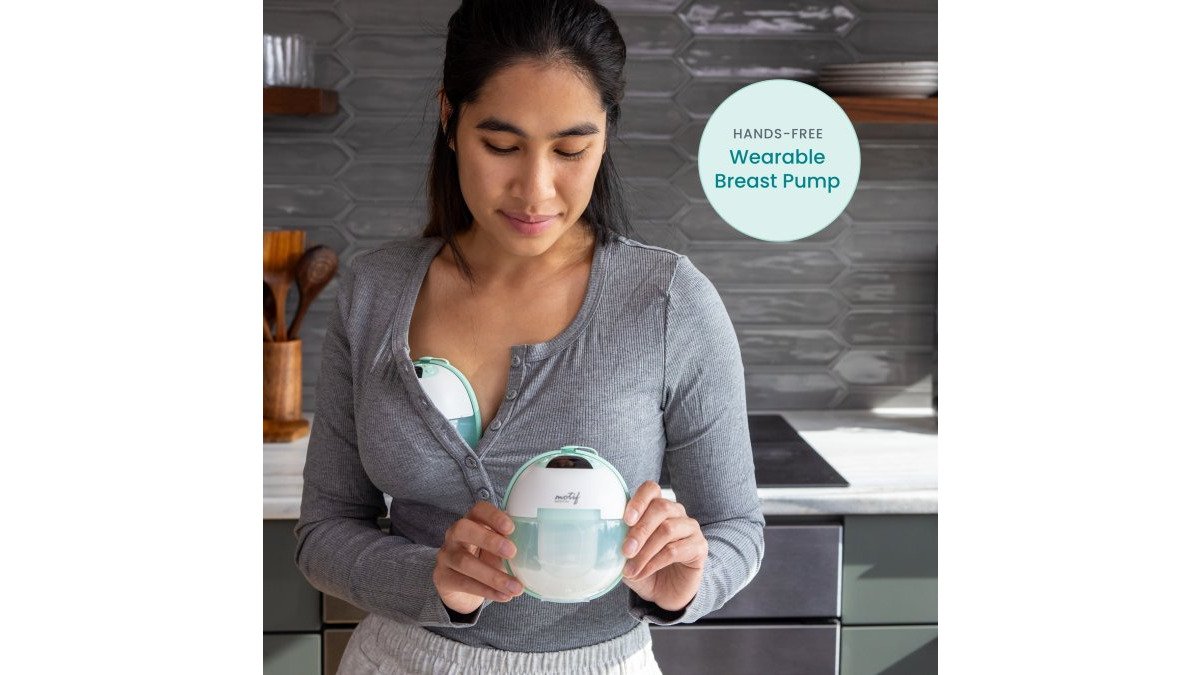
A hands-free breast pump lets you move around while you pump. Find the direct steps in how to get a TRICARE covered breast pump. Ask your doctor whether a hands-free model is right for you. Your provider writes the prescription, and that starts the process. Read what to know about the TRICARE breast pump prescription before you begin.
How to Get Your Insurance-Covered Breast Pump Authorized and Shipped Free
General Home Medical Supply handles insurance authorization for eligible hands-free breast pumps and maternity back support for TRICARE members, working with your prescription so you can focus on your recovery. Once approved, we ship your breast pump and maternity back support brace directly to your home.
Here is how the process works:
- Your doctor sends a prescription for your breast pump and back support.
- We contact your insurance to request authorization.
- After approval, we ship the items to your home at no charge.
Shipping is free, and there is no charge to you for the pump and back support shipped to your home. If you have questions about coverage or your prescription, check with your provider or TRICARE directly.
Check Your Insurance Coverage with General Home Medical Supply today to see whether your breast pump and maternity support can be shipped to you at no cost.
Here is how the process works for eligible hands-free breast pumps and maternity back support, from prescription to delivery:
| Step | What Happens | Cost to You |
|---|---|---|
| Prescription | Your doctor sends a prescription for your breast pump and back support | Not stated |
| Authorization | We contact your insurance to request authorization | Not stated |
| Shipping | Approved items ship directly to your home | Free |
Frequently Asked Questions
How often should I sanitize my breast pump parts?
Clean breast pump parts after every use, since milk residue can quickly support bacteria growth. Sanitizing is generally recommended at least once a day, and for babies who are premature, have a weakened immune system, or are younger than three months, many pediatric guidance sources suggest sanitizing after each use. Follow the manufacturer’s instructions that came with your pump, and check with your baby’s doctor if you have questions about your specific situation.
Can I wash breast pump parts in the dishwasher?
Many breast pump parts can go in the top rack of a dishwasher, especially if they are labeled as dishwasher-safe, but not every part is. Small components and valves can be lost or damaged in a dishwasher basket, so place them in a mesh bag or a dishwasher-safe basket. Always confirm the labeling in your pump’s manual before using a dishwasher, and wash these parts by hand if you are unsure.
What is the difference between cleaning and sanitizing breast pump parts?
Cleaning removes milk, dirt, and visible residue using warm soapy water and a dedicated brush. Sanitizing reduces germs to a safer level, usually through boiling, a steam sterilizer, or a dishwasher cycle with high heat. Cleaning should always come first, because sanitizing will not work well on parts still coated with milk or grime.
How do I get a hands-free breast pump covered by Tricare?
Coverage for a hands-free breast pump through Tricare depends on your specific plan and your provider’s prescription. General Home Medical Supply handles insurance authorization for eligible hands-free breast pumps for TRICARE members, and we ship the pump and maternity back support to your home at no charge with free shipping. Contact us to check your coverage and begin the authorization process.
