
Table of Contents
- Start With a Postpartum Recovery Kit Checklist
- Perineal Care, Bleeding, and Bathroom Supplies
- Postpartum Recovery After C-Section Supplies
- Why a Postpartum Abdominal Binder Belongs in Your Kit
- Choosing a Hands-Free Breast Pump for TRICARE
- Safety, Contraindications, and When to Call a Clinician
- Budget Tiers, Reusable Alternatives, and Organizing at Home
- Frequently Asked Questions
Last Updated: October 19, 2026
Start With a Postpartum Recovery Kit Checklist
A postpartum recovery kit is a pre-assembled set of supplies for managing bleeding, perineal healing, breast comfort, and pain in the weeks after birth. Building one before delivery means you are not sending a partner to a pharmacy at midnight while you recover. At General Home Medical Supply, we help new mothers assemble these kits around what insurance will cover.
Start with a simple brainstorm on paper. Most guides list forty items. You need about twelve.
The Core Categories Every Kit Needs
Every postpartum recovery kit checklist should cover six areas:
- Perineal care: peri bottle, witch hazel pads, perineal spray
- Bleeding management: heavy pads, disposable underwear, padsicles
- Pain relief: cold packs, hot and cold packs, stool softeners
- Bathroom care: soft toilet paper, hemorrhoid cream, a small caddy
- Breastfeeding support: nursing cream, breast pads, a nursing bra
- Support gear: abdominal binder, maternity back support, breast pump
Group your list by these six headings and you will spot gaps fast. Anything your hospital already provides goes in a separate “skip” column, which we cover below.
Build the kit at 34 weeks, not 38. Babies arrive early, and the last month of pregnancy is when shopping is hardest physically.
Perineal Care, Bleeding, and Bathroom Supplies
Perineal care is the daily cleaning and soothing of the tissue between the vagina and anus after vaginal birth. It accounts for more of your first two weeks than any other category, so it deserves the most attention in your postpartum recovery kit.
Here is what to buy and how to use each item:
| Item | How Many | How to Use It |
|---|---|---|
| Peri bottle | 1-2 | Fill with warm water, rinse after every bathroom trip |
| Heavy pads | 1-2 packs | Change every 2-4 hours while bleeding is heaviest |
| Witch hazel pads | 1-2 containers | Lay over the pad for cooling relief |
| Disposable underwear | 1 pack | Wear over pads in the first days |
| Perineal spray | 1 bottle | Spritz after rinsing, pat dry |
Peri Bottles, Pads, and Witch Hazel
A peri bottle is a squeeze bottle with an angled nozzle that lets you rinse with warm water instead of wiping. Wiping irritates stitches and sore tissue. Rinsing does not.
For bleeding, expect lochia, the discharge that follows birth, to be heaviest in the first few days and to taper over several weeks. Stock heavy pads first and lighter ones later. Witch hazel pads layered on top of a pad give a cooling effect that many mothers find soothing. Padsicles, which are pads frozen with witch hazel or aloe, work the same way with more intensity.
Do not use tampons during postpartum bleeding. They raise infection risk while the cervix is still closing. Stick with pads and disposable underwear until your clinician clears you.
Postpartum Recovery After C-Section Supplies
Postpartum recovery after C-section supplies overlap with vaginal birth kits, but the differences matter more than the similarities. A C-section is major abdominal surgery, so your kit should be built around protecting the incision, avoiding strain, and keeping pressure off the scar, not around perineal healing.
Use this comparison to decide what to keep, swap, or skip:
| Need | Vaginal Birth Kit | C-Section Kit |
|---|---|---|
| Bleeding management | Heavy pads, disposable underwear | Same, bleeding still occurs |
| Perineal care | Peri bottle, witch hazel, padsicles | Peri bottle for gentle cleaning; padsicles usually unnecessary |
| Incision support | Not needed | Abdominal binder, high-waisted underwear |
| Coughing and laughing | Not a concern | Small pillow to brace the incision |
| Bathroom care | Stool softeners, hemorrhoid cream | Stool softeners are essential to avoid straining |
| Clothing | Loose, comfortable | Loose and high-waisted so nothing rubs the scar |
Your C-section list should include:
- Abdominal binder for incision support when you stand, walk, or cough
- High-waisted underwear that sits above the scar rather than across it
- Stool softeners to prevent straining during the first bowel movements
- A small pillow to brace against the incision when you cough, laugh, or sneeze
- Loose, high-waisted clothing that does not rub the site
- A hot and cold compress for incision discomfort once your surgeon clears you
Skip padsicles if the perineum was not involved, but keep the peri bottle for gentle cleaning. Many mothers find that the first two weeks are dominated by incision care, while bleeding management tapers faster than it does after vaginal birth.
Ask your surgeon before delivery whether an abdominal binder is appropriate for your incision type. Most practitioners find it helpful for activity support, but placement and timing vary by patient.
If you are also dealing with lumbar pain from pregnancy, a maternity back support brace pairs naturally with a binder. Both are durable medical equipment categories, and for TRICARE families both can be authorized through insurance rather than bought outright. We contact your insurance, obtain all authorizations on your behalf, and ship the breast pump and maternity back support to your home at no charge, with free shipping.
Why a Postpartum Abdominal Binder Belongs in Your Kit
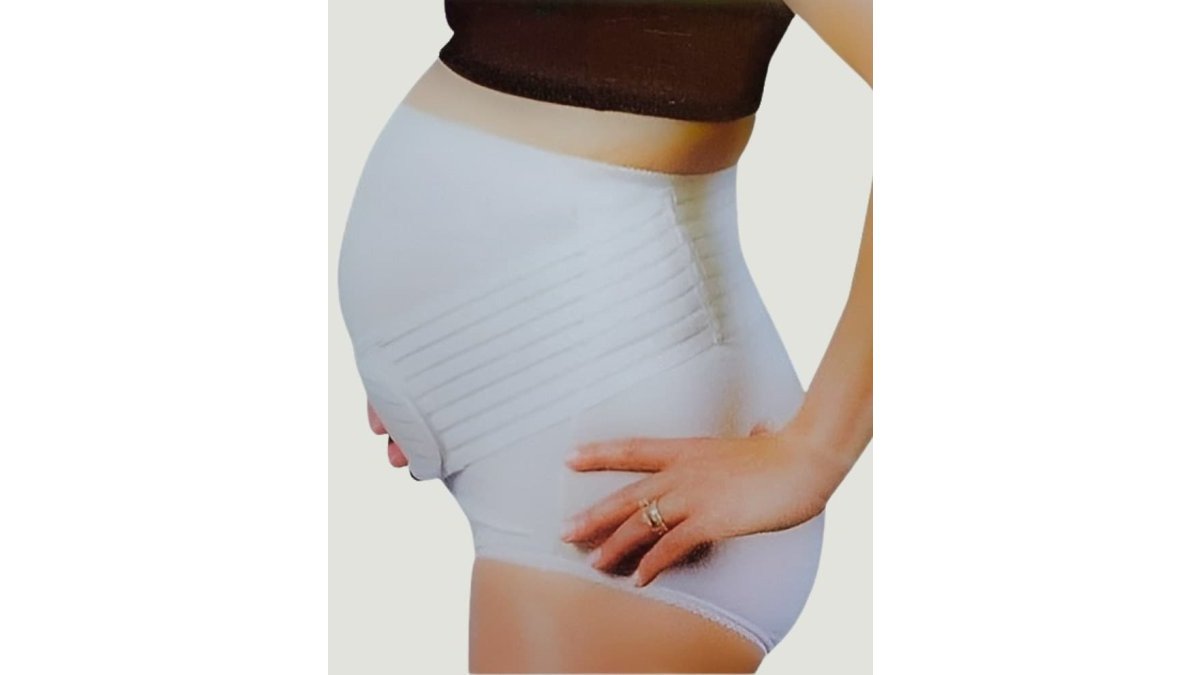
A postpartum abdominal binder is an adjustable wrap worn around the lower abdomen to support the muscles and incision after birth. It is also one of the most commonly covered by insurance when a clinician prescribes it.
What a binder does well: it reduces the pulling sensation when you stand, walk, or lift your newborn. What it does not do: it will not “shrink” your waist or replace core rehabilitation. Wear it for support during activity, not around the clock.
If you are also dealing with lumbar pain from pregnancy, a maternity back support brace pairs naturally with a binder. Both are durable medical equipment categories, and both can be authorized through insurance rather than bought outright.
Support gear is where insurance coverage changes the math most. Pads and sprays are cheap; a binder and back brace are not, and they are the items most likely to be covered with a prescription.
Choosing a Hands-Free Breast Pump for TRICARE
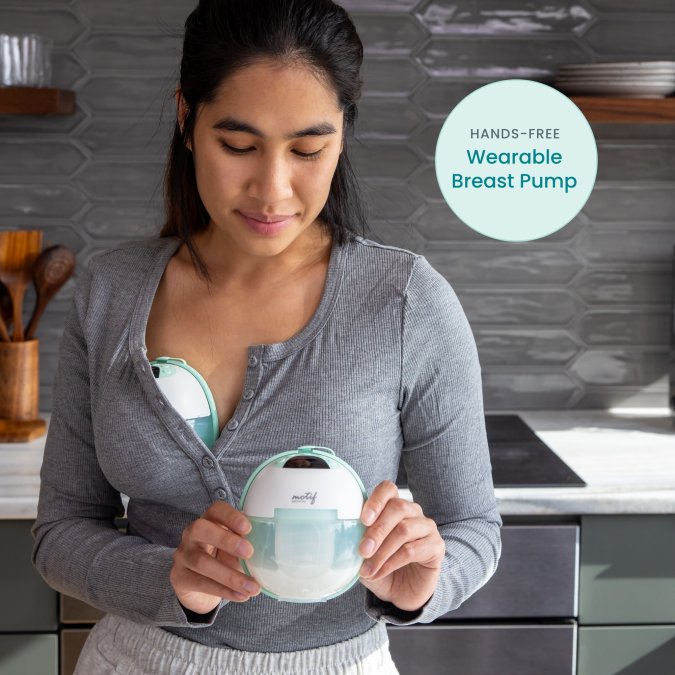
A hands-free breast pump is a wearable or strap-supported pump that lets you express milk without holding the flanges in place. For TRICARE families, the pump is typically a covered benefit when ordered through an authorized supplier with a valid prescription.
Check Your Insurance Coverage →
Here is how we handle it at General Home Medical Supply: we contact your insurance, obtain all authorizations on your behalf, and ship the breast pump and maternity back support to your home at no charge, with free shipping. You do not chase paperwork or call your plan repeatedly.
What to look for in the pump itself:
- Wearable or strap-supported design so your hands stay free
- Adjustable suction with at least two stimulation modes
- Rechargeable battery for pumping away from an outlet
- Closed-system collection for easier cleaning
- Correct flange sizing, which matters more than brand
Ask your clinician to write the prescription for the pump type you actually want, including hands-free if that is your choice. A vague prescription is the most common reason authorization stalls.
Safety, Contraindications, and When to Call a Clinician
Safe use of a postpartum recovery kit comes down to three habits: keeping the perineal area clean and dry, changing pads often, and stopping any product that causes irritation. Most kit items are low risk. A few need care.
Call your clinician promptly if you notice:
- Bleeding that soaks a pad in an hour or returns to heavy after tapering
- A fever, chills, or flu-like feeling
- Foul-smelling discharge
- Increasing pain, redness, or swelling at an incision or tear
- A hot, red, painful area on the breast with fever
Binder and back brace cautions: do not wear a binder so tight that it restricts breathing or digging into the skin. Remove it for sleep unless your clinician says otherwise. If you have a history of blood clots, ask before using compression gear of any kind.
The American College of Obstetricians and Gynecologists patient resources cover postpartum warning signs in plain language and are worth reading before delivery. The CDC guidance on breastfeeding also explains when to seek help with feeding problems.
Budget Tiers, Reusable Alternatives, and Organizing at Home
Cost per use separates a smart kit from an expensive one, but the bigger win is organizing supplies so they are within reach when you cannot get up easily. Plan around three tiers and three locations.
Three tiers to plan around:
- Bare essentials: peri bottle, pads, witch hazel, stool softeners, nursing cream
- Comfort tier: add padsicles, perineal spray, disposable underwear, a caddy
- Covered tier: add abdominal binder, maternity back support, and a hands-free breast pump through insurance
Reusable alternatives change the math over time. Reusable period underwear costs more upfront than a pack of disposable pads but replaces repeated pad purchases across pregnancies. A peri bottle is a one-time buy that lasts through every pregnancy.
Organize by location, not category:
- Bathroom caddy: peri bottle, pads, perineal spray, witch hazel, spare underwear
- Bedside basket: nipple care, water, snacks, a spare pad, phone charger
- Downstairs station: stool softeners, a change of underwear, a light blanket
Recovery timeline and replenishment: heavy pads are most useful in the first few days, light pads later as bleeding tapers. Witch hazel and perineal spray are used most in weeks one and two. Stool softeners matter most in the first week. Binder and back support use peaks when you become more active, usually weeks two through six. Restocking is easier when you can see what is running low in each spot.
Do not buy six months of one pad size. Bleeding tapers fast, and most mothers end up with surplus heavy pads and too few light ones.
Hospital-provided supplies versus items to buy: take the peri bottle, mesh underwear, and pads the hospital gives you. Buy your own binder, back support, and pump through an insurance-authorized supplier so coverage applies. For general postpartum health information, the Office on Women’s Health postpartum page is a reliable starting point.
Frequently Asked Questions
What should be included in a postpartum recovery kit?
A well-built postpartum recovery kit covers four areas: perineal care (peri bottle, witch hazel pads, perineal spray), bleeding management (postpartum pads, disposable or supportive underwear), pain relief (cold packs, hemorrhoid cream, stool softeners), and feeding support (nursing bra, breast pads, nursing cream, breast pump). If you had a C-section, add a postpartum abdominal binder and high-waisted underwear that clears the incision. Build your postpartum recovery kit checklist around your birth type and feeding plan so you are not buying items you will never open.
Is a postpartum recovery kit worth it?
It saves you from middle-of-the-night scrambling. Most of the items are inexpensive individually but easy to forget until you need them, and perineal healing, lochia management, and hemorrhoid relief all start in the first 24 hours. A kit also keeps your support person from making pharmacy runs while you recover. If you have TRICARE, some items, including breast pumps and maternity back support, may be covered when you go through an authorized supplier, which lowers your out-of-pocket cost further.
How do you choose a postpartum recovery kit after a C-section?
Skip anything that presses on the incision. Look for high-waisted disposable or supportive underwear, a postpartum abdominal binder your clinician approves, and a peri bottle with an angled nozzle so you can rinse without bending. Cold packs help with incision soreness, and stool softeners matter because straining is harder after abdominal surgery. Confirm with your OB before using a binder, and check that any breast pump you order is compatible with your feeding routine and covered under your plan.
How long should you use postpartum recovery supplies?
Perineal care and postpartum pads are typically used for the first two to six weeks while lochia tapers off. Cold packs are most useful in the first few days. A postpartum abdominal binder is usually worn for short periods during the early weeks, and you should follow your clinician’s guidance on duration. Breast pump and nursing supplies stay in use for as long as you are breastfeeding. Plan to restock pads and witch hazel around week two rather than assuming one box will last.
Recovery is easier when the supplies are already in the house and the paperwork is already handled. If you have TRICARE, we will get all the authorization from your insurance and ship the breast pump and maternity back support to your home at no charge, with free shipping. General Home Medical Supply coordinates the prescription, handles the billing, and delivers directly to your door. Check your insurance coverage today and let us take the supply list off your plate.