
Table of Contents
- Understanding Insurance Covered Maternity Brace Benefits
- How to Get a Prescription Maternity Back Brace
- Navigating the Maternity Brace Authorization Process
- Maternity Support Belt Insurance Coverage Explained
- Getting a TRICARE Hands-Free Breast Pump and Support
- What to Do If Your Insurance Denies the Claim
- Conclusion: Getting Your Maternity Support Gear
- Frequently Asked Questions
Last Updated: October 5, 2026
Understanding Insurance Covered Maternity Brace Benefits
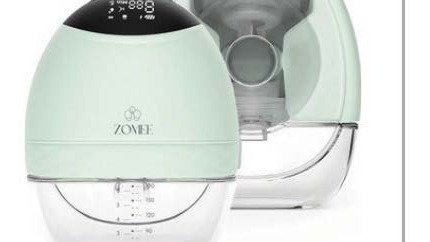
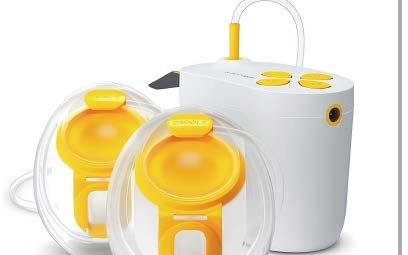
An insurance covered maternity brace guide starts with one fact most patients learn too late: a maternity brace is often classified as durable medical equipment, which means your plan may pay for it once your doctor documents medical necessity. At General Home Medical Supply, we handle that paperwork for you, and for TRICARE families we also arrange hands-free breast pump authorization and ship both the pump and your maternity back support to your home with no charge for the equipment and free shipping.
The catch is that coverage is never automatic. It depends on your plan, your diagnosis, and whether the supplier is authorized to bill for you.
Durable medical equipment (DME) is equipment that serves a medical purpose, withstands repeated use, and is not useful to someone without a medical need.
That distinction decides who pays. Under the Affordable Care Act preventive services rules, most plans must cover certain preventive care without cost sharing, but DME generally falls under your plan’s own equipment benefit, not the preventive list.
Durable Medical Equipment (DME) and Your Plan
Every plan defines DME slightly differently, but four questions decide almost every case:
- Does the plan cover DME at all, and at what percentage?
- Is a physician prescription required before purchase?
- Must the supplier be in network?
- Has your deductible been met for the plan year?
Most commercial plans require a prescription and a supplier that accepts your insurance. TRICARE follows its own equipment benefit rules, which we verify for you before anything ships. If you carry an HSA or FSA, a prescribed maternity brace is generally an eligible expense, which gives you a second path to covering it even when insurance declines.
Ask your plan two specific questions before you order: “Is a maternity support belt covered under my DME benefit?” and “Do I need prior authorization?” Getting both answers in writing saves weeks if a claim is later questioned.
How to Get a Prescription Maternity Back Brace
A prescription maternity back brace requires a written order from your physician, not a verbal suggestion at an appointment. The prescription is the document your insurer reads first, and a vague one gets denied.
Here is the sequence that works:
- Tell your OB or midwife you want to pursue an insurance-covered brace.
- Ask them to document the diagnosis, not just the symptom.
- Request a written prescription naming the equipment type.
- Send it to a supplier that handles insurance billing directly.
What Your Doctor’s Note Needs to Include
Your doctor’s note carries more weight than most patients realize. Insurers look for four elements, and a note missing any of them is a common reason claims stall:
- The diagnosis, stated in clinical terms such as pelvic girdle pain, SI joint pain, or lumbar strain
- Medical necessity language, explaining why the brace is required during pregnancy
- The equipment description, specific enough to match a billing code
- The prescriber’s signature and date
A note that says “patient requests back support” will not clear review. A note that says “patient has pregnancy-related pelvic girdle pain limiting ambulation, requires maternity support belt for musculoskeletal support” usually will.
Do not order a brace first and ask your doctor to sign off afterward. Retroactive prescriptions are one of the most common causes of denied DME claims, and appealing them takes far longer than getting the note right the first time.
Navigating the Maternity Brace Authorization Process
The maternity brace authorization process is where most patients get stuck, and it is the step we take off your plate entirely. Authorization means your insurer reviews the prescription and confirms, before shipment, that they will pay. Skip it and you risk a bill; complete it and the brace arrives with no surprise balance.
What the process actually involves:
- Coverage verification. We confirm your plan’s DME benefit, deductible status, and whether prior authorization applies.
- Benefit verification. We check the specific HCPCS code your brace bills under and whether your plan covers it.
- Clinical review. Your prescription and chart notes go to the insurer for medical necessity review.
- Approval and shipment. Once approved, the equipment ships to your address.

The Verification Checklist Most Guides Skip
Before you call anyone, gather these items. Missing even one is the most common reason a verification call stalls:
- Your member ID and group number (from the front of your card)
- The plan’s customer service number for the DME/equipment benefit line, not general member services
- Your provider’s NPI number and the prescribing physician’s name
- The diagnosis your provider has documented (ask for the exact wording)
- The HCPCS code your supplier intends to bill under
- Your deductible status and whether it has been met for the plan year
- Whether your plan requires prior authorization for the specific code
When you call, ask for the reference number for the call and the representative’s name. Write both down. If a claim is later questioned, that reference number is often the fastest way to resolve a discrepancy.
What Prior Authorization Actually Means
Prior authorization is not the same as a prescription. A prescription is your doctor saying the brace is medically necessary. Prior authorization is your insurer agreeing, in advance, to pay for it. Some plans require it; some do not.
If prior authorization is required and you skip it, the claim is typically denied on procedural grounds even when the medical necessity is obvious. That is why we verify this step before anything ships.
You should not have to call three offices to find out where your brace is.
Check Your Insurance Coverage →
Maternity Support Belt Insurance Coverage Explained
Maternity support belt insurance coverage hinges on three things: your plan’s DME benefit, a documented diagnosis, and an in-network supplier. Get all three aligned and most claims clear. Miss one and you are paying out of pocket.
Two brace types dominate prescriptions, and they are not interchangeable:
| Brace Type | Primary Target | Typical Use Case | Coverage Notes |
|---|---|---|---|
| Maternity support belt | Abdominal support, round ligament pain | General third-trimester support, back strain | Commonly covered with prescription |
| SI belt | SI joint pain, pelvic girdle pain | Stabilizing the sacroiliac joint | Covered when diagnosis is specific |
| Postpartum abdominal binder | Diastasis recti, postpartum recovery | Post-delivery compression and support | Often covered as a separate item |
| Lumbar support brace | Chronic lower back pain | Lumbar strain, posture correction | Covered under DME with clinical notes |
Compression during pregnancy does more than comfort. Adjustable straps and breathable fabric let you tighten support as your center of gravity shifts, which reduces the load your lumbar spine carries and can ease the back strain that builds through the third trimester.
The single biggest predictor of approval is not your plan tier. It is how specifically your doctor documents the diagnosis. Pelvic girdle pain with a functional limitation gets approved far more often than “back pain.”
Getting a TRICARE Hands-Free Breast Pump and Support
For TRICARE families, a hands-free breast pump is covered when you follow the program’s equipment rules, and we handle the entire authorization for you.
TRICARE has covered breast pumps for new mothers for years, but the details matter: the pump must come from an authorized supplier, and the request generally needs to be tied to your delivery. We verify your eligibility, coordinate with your provider, and manage the paperwork so nothing bounces back to you.
The same team handles your maternity back support. One authorization process, one shipment, two pieces of equipment you actually need.
TRICARE beneficiaries in the second or third trimester who want their breast pump and maternity back support authorized and delivered without managing the paperwork themselves.
What to Do If Your Insurance Denies the Claim
A denial is not the end of the process, and it is rarely final. Most denials come down to missing documentation, a wrong billing code, or a prior authorization that was never filed, all of which can be corrected. This is the section most guides skip entirely, and it is where the real work happens.
Read the Denial Reason Before You Do Anything Else
Your insurer must tell you why the claim was denied. The reason code on the denial letter tells you which fix applies:
- “Not medically necessary”, the clinical documentation was too thin. The fix is a stronger letter of medical necessity from your provider.
- “Prior authorization required”, the authorization was never filed. The fix is filing it now, often retroactively.
- “Non-covered service”, the plan excludes the equipment category. The fix is checking whether a different HCPCS code or a different equipment type is covered.
- “Out-of-network supplier”, the supplier was not in your plan’s network. The fix is switching to an in-network supplier or requesting a network exception.
- “Deductible not met”, the plan covers it, but you owe until the deductible is satisfied. This is not a true denial.
The Appeal Path, Step by Step
- Request the denial in writing if you only received a verbal notice. You need the reason code and the appeal deadline.
- File an internal appeal with your plan. Most plans allow a set window, often measured in months from the denial date. Missing that window forfeits the appeal, so note the deadline immediately.
- Ask your provider for a stronger letter of medical necessity. This is often the entire fix. The letter should name the diagnosis in clinical terms, describe the functional limitation, and state why the brace is required during pregnancy.
- Request an external review if the internal appeal fails. External reviews are handled by an independent reviewer, and plans are generally bound by the outcome.
- Check HSA or FSA eligibility as a fallback, since a prescribed brace is generally an eligible expense even when insurance declines.
The Distinction Most Guides Miss
Denial reasons are usually procedural, not clinical. Insurers are not arguing your brace is unnecessary. They are saying the paperwork did not prove it was necessary. That is a fixable problem, and it is exactly the kind of problem we resolve before a claim is ever filed.
If you are working through a denial right now, the fastest path is usually a corrected letter of medical necessity plus a properly filed prior authorization. We handle both as part of the authorization process, so the claim never reaches the denial stage in the first place.
Conclusion: Getting Your Maternity Support Gear
The hardest part of an insurance-covered maternity brace is not the brace. It is the authorization, the prescription language, and the billing codes that decide whether you pay or your plan does. That is the work General Home Medical Supply exists to absorb. If you are carrying TRICARE or a commercial plan and your provider has recommended support gear, check your coverage with us and let us handle the rest.
Frequently Asked Questions
Is a pregnancy back brace covered by insurance?
Many insurance plans cover a maternity brace if it is deemed medically necessary. This typically requires a prescription from your doctor and a diagnosis such as pelvic girdle pain or lumbar support needs. Coverage falls under Durable Medical Equipment (DME) benefits. It is best to verify your specific plan’s details for maternity support belt insurance coverage before ordering.
Does TRICARE cover maternity back support?
TRICARE generally covers medically necessary maternity support items, including a prescription maternity back brace, when ordered by a TRICARE-authorized provider. The specific coverage depends on your plan and the item’s medical necessity. It is recommended to check with TRICARE or a supplier that specializes in handling the maternity brace authorization process for confirmation.
Do I need a prescription for an insurance-covered maternity brace?
Yes, a physician prescription is almost always required for insurance to cover a maternity brace. The prescription serves as proof of medical necessity and must include your diagnosis and the specific type of brace recommended. This is a key step in the maternity brace authorization process.
Can I get a hands-free breast pump through TRICARE?
TRICARE covers breast pumps for new mothers, including hands-free models, when deemed medically necessary. A TRICARE hands-free breast pump typically requires a prescription and prior authorization. Working with a supplier experienced in TRICARE’s specific requirements can simplify the process and ensure you receive the correct equipment.
What if my insurance denies the maternity brace claim?
If your claim is denied, you have the right to appeal. First, request the reason for denial in writing. Then, gather supporting documentation, such as a detailed letter of medical necessity from your doctor. Submit a formal appeal according to your insurer’s guidelines. A supplier that handles authorizations can often assist with this process.