
Last Updated: November 7, 2026
Quick Summary
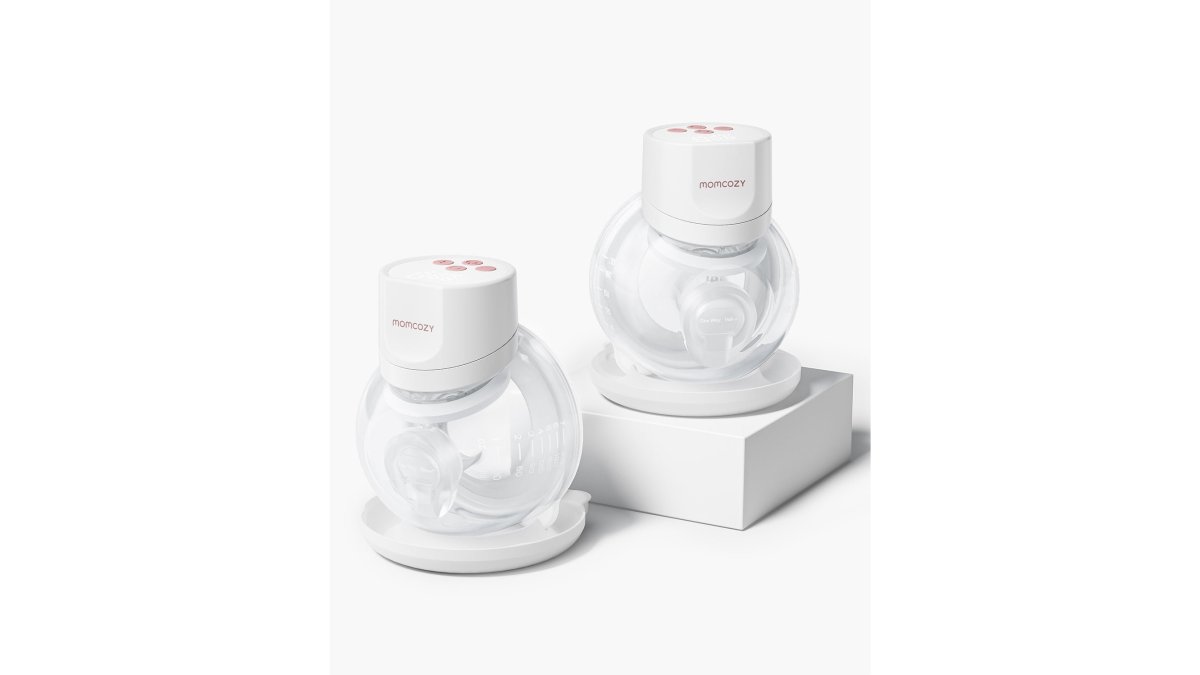
TRICARE members with a provider’s order for a hands-free breast pump or an adjustable maternity back support can have General Home Medical Supply handle the authorization with their insurance and ship approved items to their home. Shipping is free. Coverage depends on the member’s plan, so benefits should be confirmed with TRICARE and the provider.
- General Home Medical Supply requests the authorization from your insurance on your behalf.
- Once approved, the hands-free breast pump and maternity back support ship to your home.
- Shipping is free, and there is no charge for delivery of approved equipment.
- Coverage depends on your plan and the items your provider orders.
- Keep copies of your prescription and insurance correspondence in case a claim is delayed.
Table of Contents
- Why Adjustable Maternity Back Support Matters in the Second and Third Trimesters
- Choosing an Adjustable Maternity Back Support: Fit, Materials and Sizing
- Using a Maternity Support Belt for Pelvic Pain
- Back Support for Pregnancy While Sleeping: What to Know
- Adjustable Maternity Back Support Reviews: How Common Models Compare
- How TRICARE Members Get a Hands-Free Breast Pump and Maternity Back Support Shipped at No Charge
- Requesting Your Authorization and Free Home Delivery
- Frequently Asked Questions
If you have TRICARE coverage and your provider has recommended a hands-free breast pump or an adjustable maternity back support, General Home Medical Supply can coordinate the authorization with your insurance and arrange home delivery of approved items. Coverage depends on your plan, so confirm your benefits with TRICARE and your provider. For many expectant and new mothers, the hardest part of getting medical equipment is the paperwork, not the product itself. This guide explains how that process works and why adjustable support matters during the second and third trimesters.
Why Adjustable Maternity Back Support Matters in the Second and Third Trimesters
Back and pelvic discomfort often increase as pregnancy progresses, because the body’s center of gravity shifts and the abdomen grows heavier. An adjustable maternity back support lets you change how much pressure it applies as your body changes week to week. That flexibility is one reason many providers suggest a support that can be tightened or loosened rather than a fixed garment.
Adjustability also matters because a belt that fits in the second trimester may feel too tight or too loose by the third. A support you can refit may help you avoid buying a new one partway through pregnancy. Ask your provider which type they recommend for your stage and symptoms.
Choosing an Adjustable Maternity Back Support: Fit, Materials and Sizing
Fit is the single biggest reason an adjustable maternity back support ends up in a drawer instead of on your body, so treat sizing as a measurement task, not a guess. Before you order, measure two things with a soft tape: your waist at its narrowest point and your belly at its fullest point, standing and breathing normally rather than sucking in. Write both numbers down and compare them to the manufacturer’s size chart, because a “medium” from one maker can match a “large” from another. If your measurements land between two sizes, choose the larger size on an adjustable model, since straps can tighten a belt that starts slightly loose but cannot stretch one that starts too small.
A good fit check takes about a minute. Put the belt on over a thin layer of clothing, center the back panel over your lower back, and fasten the front panel low, under the belly bump rather than across it. You should be able to slide two flat fingers under any strap. Sit, stand, and take a few steps: the belt should stay in place without riding up into your ribs or rolling at the waistband. If a strap leaves a red mark or you feel pressure on your belly, loosen it one notch.
Watch out: a belt that feels fine standing can dig in when you sit, so always test it seated before you decide to keep it.
Materials matter as much as measurements. When comparing supports, look for features such as a breathable back panel, a soft inner lining, and adjustable straps that lie flat under clothing. Some designs include a removable lumbar insert or a front panel that adjusts over the bump.
Your body changes between the second and third trimesters, so it can help to check the fit of the belt periodically rather than set it once. Many adjustable designs offer strap adjustment that can accommodate changes through pregnancy. Check each model’s size range before you buy. If you are unsure which model matches your measurements, your provider or our team can walk you through the size charts before you commit, and we can confirm which supports your TRICARE authorization will cover.
Using a Maternity Support Belt for Pelvic Pain
Many people wear a maternity support belt to ease pelvic or hip pressure. The belt’s purpose is to share the weight of the abdomen and reduce strain on the lower back and pelvis. It is general support, not a treatment for the underlying cause of pain.
Wear the belt during activities that tend to aggravate discomfort, such as walking or standing for long periods, and take it off when you rest if it feels restrictive. If pelvic pain is severe, sudden, or comes with other symptoms, contact your healthcare provider rather than relying on a support belt alone.
Back Support for Pregnancy While Sleeping: What to Know
Some people find that lying on their side with a pillow between the knees relieves pelvic pressure more than wearing a support overnight. A maternity support belt is generally designed for wear while upright. Check the manufacturer’s instructions before wearing any support while lying down, and ask your provider whether overnight use is appropriate for you.
Adjustable Maternity Back Support Reviews: How Common Models Compare
Online reviews usually describe one person’s experience with one belt, which can make them hard to compare. A more useful approach is to sort adjustable maternity supports into three broad types and judge each on the features that actually change how it feels.

Belly bands and pregnancy support belts wrap under the bump and around the lower back. They are the most common choice for general lower-back fatigue and for people who want light, everyday support under clothing. Look for a wide back panel, a low-rise front that sits under the belly, and hook-and-loop or buckle straps that adjust in small increments.
Pelvic support belts sit lower, around the hips and across the front of the pelvis, and are often chosen by people whose discomfort is centered at the pubic bone or across the hips rather than the lower back. These tend to be narrower and firmer, and fit depends heavily on getting the hip measurement right.
Back-panel braces with shoulder straps add an upper-back and posture component. They offer more support but are bulkier and warmer, so they suit people who stand or lift for long stretches rather than all-day desk wear.
When you compare specific models, line them up on the same criteria: size range in inches, how much strap adjustment the design allows, back-panel height and shape, fabric breathability, whether a lumbar insert is included, and the return or exchange window. A belt with a wide size range and generous strap travel is more likely to fit through the third trimester. A removable insert is easier to clean and to reposition. A generous return window matters because fit is hard to predict before you wear a belt for a full day.
When reading reviews, weigh sizing and durability comments carefully, since individual experiences vary.
Check whether a model uses wide, textured strap ends that hold their grip, and read the care instructions for the fasteners. Our team can help you narrow the field to supports that fit your measurements and that your TRICARE authorization may cover.
How TRICARE Members Get a Hands-Free Breast Pump and Maternity Back Support Shipped at No Charge
If you have TRICARE, the process starts with a prescription or order from your provider. General Home Medical Supply coordinates with your insurance to request the authorization needed for a hands-free breast pump and maternity back support. Coverage depends on your plan and the items your provider orders, so the authorization step is where we confirm what your benefits allow. To see which models are covered, check which breast pumps TRICARE covers for new moms.
Once the authorization is approved, General Home Medical Supply ships the hands-free breast pump and the maternity back support to your home. Shipping is free, and there is no charge for delivery of the approved equipment.
For TRICARE members, the process from order to delivery follows a few clear steps.
| Step | What happens | Who handles it |
|---|---|---|
| Order | Your provider writes the prescription or order | Your provider |
| Authorization | We request approval from your insurance | General Home Medical Supply |
| Approval | Coverage is confirmed under your plan | TRICARE |
| Delivery | Hands-free breast pump and maternity back support ship to your home | General Home Medical Supply |
| Cost | Shipping is free | No charge to you |
Requesting Your Authorization and Free Home Delivery
To get started, contact General Home Medical Supply with your TRICARE information and your provider’s order. We will review the request, submit the authorization to your insurance, and keep you informed about the status. Once approved, your items ship to your home at no charge.
Keep copies of your prescription and any correspondence with your insurance, since having your documents ready can help if a claim is delayed or questioned.
Get started with General Home Medical Supply to check your TRICARE coverage for a hands-free breast pump and maternity back support, with authorization handled for you and free home delivery.
Frequently Asked Questions
Can I get a belly band free with my insurance?
Coverage for maternity support garments depends on your specific TRICARE plan, your prescribing provider, and whether the item is considered medically necessary. General Home Medical Supply coordinates prescription paperwork and insurance authorization for eligible items, so you do not have to manage that process alone. Coverage decisions are made by your insurance plan, and General Home Medical Supply can confirm what your plan may cover before any item ships. Ask your provider to confirm the prescription details you need, then contact General Home Medical Supply to review your coverage.
When should I start wearing a pregnancy back brace?
Many people begin considering back support during the second trimester, when the abdomen and lower back begin to carry more weight. The right timing depends on your symptoms and your provider’s guidance. A qualified healthcare professional can review your situation and advise whether a support product fits your needs. General Home Medical Supply can help coordinate the prescription and insurance steps once your provider recommends an adjustable maternity back support.
Does TRICARE cover a hands-free breast pump or maternity back support?
Eligibility for a hands-free breast pump or maternity back support through TRICARE depends on your plan, your provider’s prescription, and the authorization process. General Home Medical Supply handles prescription coordination and insurance authorization for eligible items and ships approved products directly to your home at no charge with free shipping. Your plan makes the final coverage determination, so confirm details with TRICARE and your provider before ordering.
