
Table of Contents
- What the Best Maternity Belts for Back Pain Actually Do
- Top Maternity Belts for Back Pain by Category
- How to Wear a Maternity Belt Correctly
- Maternity Belt Fit and Sizing: Getting It Right
- Does Insurance Cover Maternity Back Support?
- Safety, Risks, and When to Skip a Belly Band
- Conclusion
- Frequently Asked Questions
Last Updated: October 9, 2026
What the Best Maternity Belts for Back Pain Actually Do
The best maternity belts for back pain transfer part of a growing belly’s weight off your lower back into a wide band around your hips and pelvis, which is why many second and third trimester pregnancies feel more manageable with one. At General Home Medical Supply, we help Tricare families get maternity back support and hands-free breast pumps authorized, shipped, and delivered to their door at no charge, with free shipping.
A maternity belt is a wide, adjustable support band worn low around the hips and under the belly to reduce strain on the lower back and pelvic joints. It is not a cure for structural problems, it changes how load moves through your body as your center of gravity shifts forward.
Abdominal and Pelvic Support, Explained Simply
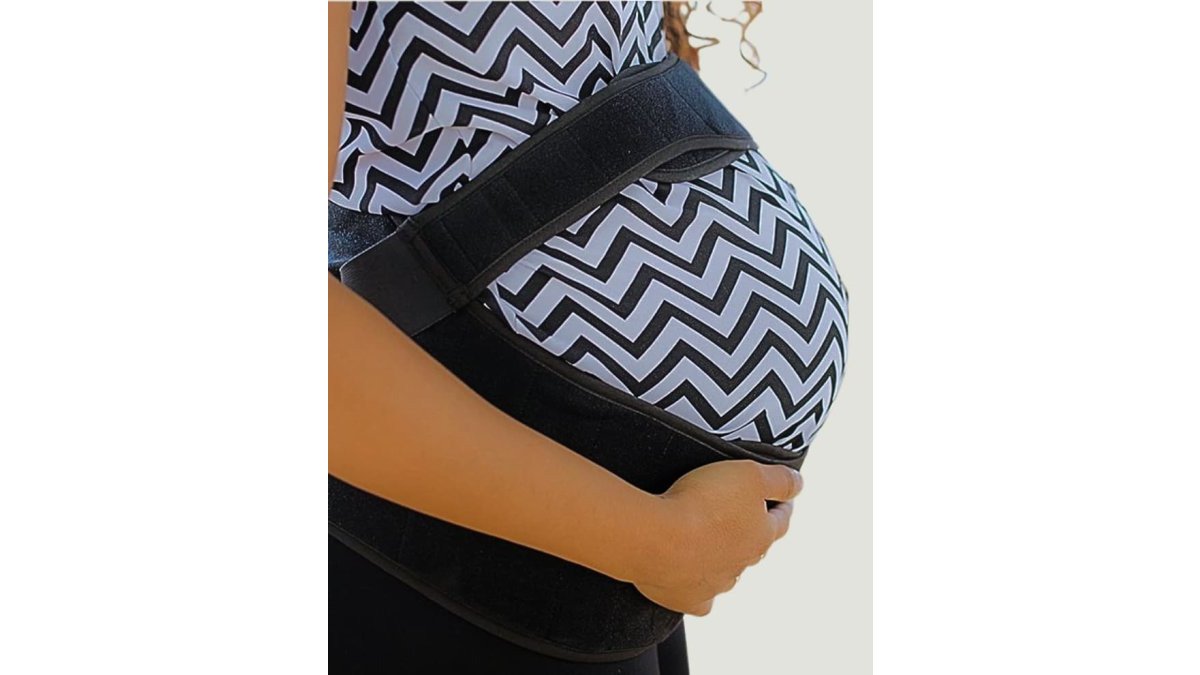
As pregnancy progresses, the growing uterus pulls your center of gravity forward, your lower back muscles work harder, and pelvic ligaments soften. A maternity belt, also called a belly band or abdominal binder, wraps under the belly and around the hips to lift some of that weight and give your core external support.
The effect is mechanical: the band compresses and lifts, and your back muscles get a break. Many people describe relief within minutes of wearing one correctly.
What a Belt Can and Cannot Fix
A belt can reduce the pulling sensation in your lower back, support your belly during walking or standing, and ease the strain of lifting a toddler or carrying groceries. It cannot correct diastasis recti, close a separated abdominal wall, or treat a disc problem. If your pain is sharp, one-sided, or comes with numbness, tingling, or weakness in your legs, talk to your OB or a physical therapist.
Top Maternity Belts for Back Pain by Category
There is no single best maternity belt for every body. The right pick depends on where your pain sits, how far along you are, whether you are recovering from a cesarean birth, and how easy the belt is to put on. Below are the categories Tricare families choose most often.
How We Evaluate Belts
We score every belt on the same six criteria, because a belt that wins on support but loses on breathability or adjustability is not one you will actually wear:
- Lift and load transfer, does the band actually move weight off the lower back, or does it just squeeze the belly?
- Fit range and adjustability, how many inches of overlap does the closure give you as your body changes week to week?
- Ease of putting on one-handed, can you fasten it while seated, after a feed, or while holding a toddler?
Best Overall Support Belt
What it does best: Lifts the belly and supports the lower back during standing, walking, and lifting.
Best for: Second and third trimester back pain, especially when pain is worse at the end of the day or after long periods on your feet.
What to look for: A wide back panel (roughly 6-9 inches tall), adjustable compression across at least a few inches, and breathable fabric like cotton or a soft elastic blend.
Watch out for: Belts that need constant readjusting after you sit down.
Best for C-Section Recovery
What it does best: Gentle, wide, even compression across the incision, making coughing, laughing, standing up, and walking less uncomfortable in the early weeks.
Best for: Postpartum abdominal support after a cesarean birth, once your surgeon clears you.
What to look for: A wide, soft front panel that does not dig into the incision line, adjustable compression you can loosen as swelling goes down, and breathable fabric against a healing scar.
Watch out for: Too much pressure too early. When to start wearing a postpartum binder is your surgeon’s call.
Best Value Belly Band
What it does best: Simple, breathable, adjustable support for mild or occasional discomfort.
Best for: Early second trimester, mild back fatigue, or days when you want light support without a structured panel.
What to look for: A soft, stretchy band with a wide adjustment range and a low profile under clothing.
Watch out for: Less structured lift. If your back pain is daily and limiting, step up to a structured belt.
Best for Inclusive Sizing and Adjustability
What it does best: Fits a wider range of body shapes and sizes without gaps, rolling, or pressure points.
What to look for: Size ranges beyond standard small-to-large, multiple inches of overlap at the closure, and a design that lets you fasten it while seated.
Watch out for: One-size-fits-all claims. A belt that claims to fit everyone usually fits no one well.
Check Your Insurance Coverage →
What Most Guides Miss
The category matters more than the brand: a well-fitted basic belt beats a poorly fitted premium one every time. The belt you can put on yourself, adjust as your body changes, and wear for a full walk without rolling or slipping is the one that will actually help your back.
If you are a Tricare beneficiary, we coordinate the prescription, get all the authorization from your insurance, and ship your maternity back support and hands-free breast pump to your home at no charge, with free shipping.
How to Wear a Maternity Belt Correctly
Learning how to wear a maternity belt correctly matters more than which one you buy. A belt worn too high, too loose, or too tight will either do nothing or cause new discomfort.
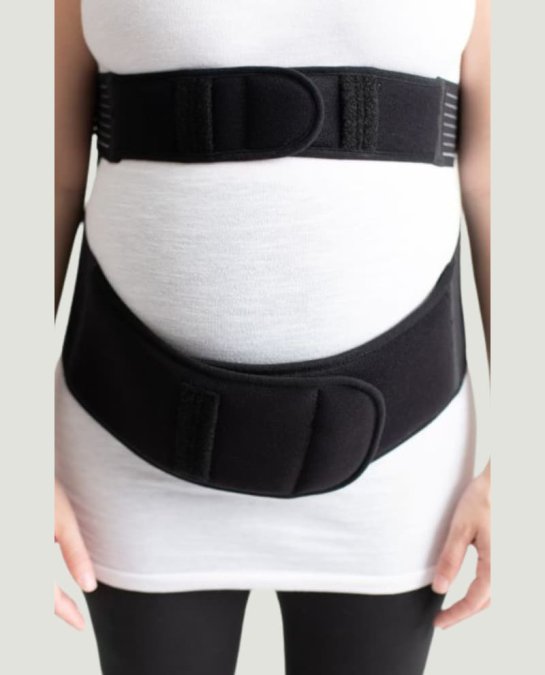
- Put the belt on over a thin layer of clothing to protect your skin.
- Position the wide panel against your lower back and the band under your belly, not across the middle.
- Fasten it snug, then slide two fingers under the edge. If you cannot, it is too tight.
- Stand and walk a few steps. The belt should feel supportive, not restrictive.
- Readjust after sitting for a while, since the band shifts as you move.
Wear the belt during activity, not around the clock. Most people get the most benefit during walks, long periods of standing, and lifting. Take it off when you sit down to rest, and never sleep in it unless your clinician tells you to.
If you feel pressure on your ribs, the belt is too high. If it slides down when you walk, it is too loose.
Maternity Belt Fit and Sizing: Getting It Right
Maternity belt fit and sizing comes down to two measurements: your hip circumference and how much lift you need. Most belts are sized by pre-pregnancy or current hip measurement, and many adjust across a range as your body changes week to week.
- Measure around your hips at the widest point, not your waist.
- Choose a belt with at least a few inches of adjustability so it grows with you.
- Look for inclusive sizing that goes beyond standard small-to-large ranges.
A belt that leaves red marks, digs into your skin, or makes it harder to take a deep breath is too tight. Ongoing pressure like that can cause discomfort and skin irritation, and it defeats the purpose of support.
Durability matters too: a belt with reinforced stitching and quality elastic holds its shape through months of daily wear, while a cheap band stretches out in weeks.
Does Insurance Cover Maternity Back Support?
Does insurance cover maternity back support? Often, yes, when a clinician documents a medical need. For Tricare beneficiaries, maternity support belts and postpartum abdominal binders can be covered when they are prescribed and meet the plan’s requirements.
Coverage is not automatic. That is the work General Home Medical Supply does for Tricare families: we coordinate the prescription, get all the authorization from your insurance, and ship your maternity back support and hands-free breast pump to your home at no charge, with free shipping.
For Tricare members, the difference between paying out of pocket and paying nothing usually comes down to authorization. A supplier that manages the prescription and insurance approval for you is the single biggest factor.
Coverage rules vary by plan and by the specific item, so confirm your benefits before you order. If you want to know where you stand, you can check your Tricare coverage options.
Safety, Risks, and When to Skip a Belly Band
A belly band is generally well tolerated, but it is not right for everyone and it is not a treatment. A belt supports; it does not heal. It can make your days more comfortable, but it will not close a diastasis, repair a disc, or permanently change your abdominal shape.
What a Belt Can and Cannot Do
What it can do:
- Reduce the pulling sensation in your lower back during standing, walking, and lifting.
- Support the belly so your back muscles get a break.
- Make coughing, laughing, and standing up less uncomfortable after a cesarean birth, once your surgeon clears you.
What it cannot do:
- Correct diastasis recti or close a separated abdominal wall.
- Treat a disc problem, sciatica, or any structural issue.
- Cause weight loss or permanently change the shape of your abdomen.
A Practical Wear Schedule
Most practitioners find activity-based wear beats all-day wear:
- Start short. Wear the belt for 20-30 minutes during a walk or a stretch of standing, then take it off and see how your back feels.
- Build up. If it helps, extend wear to the activities that bother you most, long walks, standing in line, lifting a toddler, carrying groceries.
- Take breaks. Remove the belt when you sit down to rest. Do not sleep in it unless your clinician tells you to.
A Fit Check You Can Do in 30 Seconds
- Put the belt on over a thin layer of clothing to protect your skin.
- Position the wide panel against your lower back and the band under your belly, not across the middle.
- Fasten it snug, then slide two fingers under the edge. If you cannot, it is too tight.
- Stand and walk a few steps. The belt should feel supportive, not restrictive.
- Readjust after sitting for a while, since the band shifts as you move.
When to Skip a Belly Band
Skip it, or check with your clinician first, if you have:
- Skin irritation or an open wound where the band sits.
- A condition that makes compression unsafe.
- A provider who has advised against it.
A common mistake is treating the belt as a substitute for movement. Gentle walking, pelvic tilts, and your provider’s recommended exercises do more for long-term back health than any band. If you are recovering from a cesarean birth, follow your surgeon’s timeline for starting a binder.
For Tricare members, the difference between paying out of pocket and paying nothing usually comes down to authorization. A supplier that manages the prescription and insurance approval for you is the single biggest factor. We coordinate the prescription, get all the authorization from your insurance, and ship your maternity back support and hands-free breast pump to your home at no charge, with free shipping.
Conclusion
Back pain in pregnancy is common, and the right maternity belt can make your days noticeably easier, but only if it fits well, sits correctly, and is worn at the right times.
That is exactly what we take off your plate. General Home Medical Supply coordinates your prescription, secures all the authorization from your insurance, and ships your maternity back support and hands-free breast pump to your home at no charge, with free shipping.
Frequently Asked Questions
What is the best maternity belt for back pain?
There is no single best maternity belt for everyone. The right pick depends on your support level, fit, and whether you are pregnant or postpartum. Look for adjustable compression, breathable fabric, and a design that supports both the belly and lower back. A belt that stays in place during walking and lifting tends to work better than one that only feels snug while sitting.
How should a maternity belt fit?
A maternity belt should feel supportive but never tight. It should sit low, under the belly, and wrap around the lower back without digging into your skin or ribs. You should be able to slide two fingers under the edge. If you feel numbness, tingling, or shortness of breath, loosen it or remove it. Proper maternity belt fit and sizing matter more than brand.
Can you wear a maternity belt all day?
Most people wear a maternity belt for a few hours at a time, during activities that trigger back pain, such as walking, standing, or lifting. Wearing it all day is not usually necessary and may cause skin irritation or muscle reliance. Take it off when resting or sleeping, and follow guidance from your clinician about how long to wear it.
Does insurance cover maternity back support?
Many insurance plans, including Tricare, may cover maternity back support when it is medically necessary and prescribed by your doctor. Coverage depends on your plan and authorization. General Home Medical Supply handles the prescription coordination and insurance authorization, then ships your maternity back support to your home at no charge, with free shipping.