
Table of Contents
- How to Get a Breast Pump Through Insurance Online
- TRICARE Breast Pump Coverage Requirements
- How to Get a Hands-Free Breast Pump Through Insurance
- The Durable Medical Equipment Insurance Authorization Process
- When to Order: Prepartum vs. Postpartum Timing
- If Your Claim Is Denied: Appeals and Secondary Insurance
- Frequently Asked Questions
Last Updated: September 28, 2026
How to Get a Breast Pump Through Insurance Online
Getting a breast pump insurance order started online begins with three steps: confirm your plan’s benefit, get a prescription from your provider, and order from an in-network supplier. Under the Affordable Care Act, most plans must cover breastfeeding support and breast pump equipment as preventive care for pregnant and postpartum members.
Step 1: Confirm Your Plan’s Breast Pump Benefit
Call the member services number on your health insurance card. Ask three questions: Is a breast pump covered? Is it durable medical equipment or preventive care? Which suppliers are in network?
Step 2: Get a Prescription From Your Provider
Ask your OB, midwife, or nurse practitioner for a written prescription. It should include your name, your due date, the pump type, and the provider’s NPI number.
Step 3: Order From an In-Network DME Supplier
Order from a DME supplier that is in network for your plan. Out-of-network orders often mean out-of-pocket costs.
| Step | What You Do | Who Helps |
|---|---|---|
| 1 | Confirm your benefit | Insurance member services |
| 2 | Get a prescription | OB, midwife, or lactation consultant |
| 3 | Place your order | In-network DME supplier |
TRICARE Breast Pump Coverage Requirements
TRICARE treats a breast pump as covered equipment for pregnant and postpartum members, but the path to approval runs through your regional contractor, not a retail checkout page. That single fact is why so many TRICARE families get stuck: the benefit exists, but the authorization has to be built correctly before anything ships.
Here is what actually drives a TRICARE pump approval:
- A valid prescription from your provider that names the pump type and includes the provider’s NPI number
- Medical necessity documentation tied to your pregnancy or delivery
- An authorized supplier who submits the prior authorization on your behalf
- Your plan and regional contractor rules, which determine which pump categories qualify
Pre-Delivery vs. Post-Delivery Authorization
Timing changes the paperwork, not just the shipping date.
- Ordering during the third trimester: Some paths allow a pump to be authorized before your due date so it arrives before you deliver. This is the preferred route for members who want a pump ready on day one.
- Ordering after delivery: This is the more conservative route and the one that fits plans that tie medical necessity to a completed delivery. It is also the fallback when a pre-birth authorization is not approved.
A common pattern is that pre-birth orders require the prescription to state a due date and a medical need, while post-birth orders require a delivery date. Ask your supplier which version your regional contractor wants before you submit, a missing date is one of the most common reasons an authorization bounces back.
Hands-Free and Wearable Pumps Under TRICARE
Not every hands-free pump is classified the same way. Some wearable and hands-free models are authorized as electric breast pumps; others fall outside the covered equipment category entirely. The difference usually comes down to how the pump is coded and whether your provider’s prescription matches that code.
- Tell your supplier you want a hands-free pump specifically.
- Let the supplier confirm the model’s coverage category with your regional contractor.
- Have your provider write the prescription to match that category.
- Only then place the order.
How We Handle the TRICARE Authorization for You
At General Home Medical Supply, we concentrate on TRICARE members who need a hands-free breast pump. We get all the authorization from your insurance, so you are not the one calling a regional contractor, chasing a prescription format, or resubmitting paperwork. Once authorization is in place, we ship your breast pump and maternity back support to your home at no charge, and shipping is free.
TRICARE breast pump coverage page
Have your due date, your provider’s NPI number, and your member ID ready before you start. Those three items are what the authorization is built on, and having them on hand is the fastest way to avoid a back-and-forth.
How to Get a Hands-Free Breast Pump Through Insurance
A hands-free breast pump is covered when your plan treats it as medically necessary equipment, your provider writes a matching prescription, and your supplier is authorized for your plan. The steps mirror any pump order, prescription, coverage check, authorization, shipment, but hands-free models add a few decision points that standard electric pumps do not.
Hands-Free vs. Standard Electric vs. Manual
Understanding the categories helps you ask for the right thing.
Check Your Insurance Coverage →
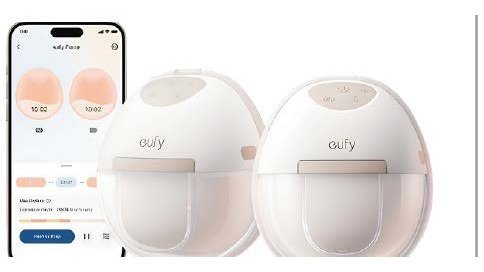
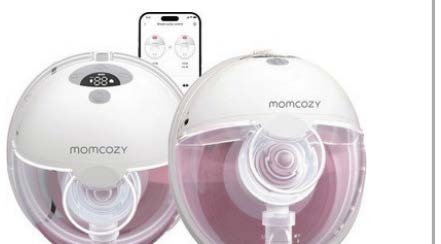
- Hands-free / wearable pumps let you pump without holding the cups in place. Some fit entirely inside a bra. They are the category most TRICARE moms ask about because they make pumping compatible with caring for a newborn.
- Standard electric pumps are the traditional double-electric workhorses. They are typically the easiest category to authorize because the equipment code is well established.
- Manual pumps are smaller and simpler but require hand effort for every session. They are rarely the primary pump a plan authorizes for daily use.
- Hospital-grade pumps are stronger and usually reserved for specific medical needs, such as established low supply or a NICU situation.
What to Check Before You Choose a Hands-Free Model
- Flange size. Hands-free pumps are less forgiving of a wrong flange size than standard pumps because the cup sits inside your bra. Measure before you order; a wrong size is the most common reason a hands-free pump feels uncomfortable, and it is an easy fix if you check first.
- Closed system vs. open system. A closed system keeps milk out of the tubing and motor, which makes cleaning easier and allows the pump to be shared safely between users. Open systems require more careful cleaning.
- Wearability. Some hands-free pumps are truly wearable (they fit in a bra with no external tubing); others are hands-free only in the sense that they do not require you to hold the cups. Decide which you actually need.
- Battery and charging. A pump you can wear while moving around the house needs a battery that lasts a full session. Check the runtime before you commit.
- Replacement parts. Flanges, valves, and tubing wear out. Confirm that replacement parts are easy to get, because a pump you cannot maintain is a pump you cannot use.
How Authorization Works for a Hands-Free Pump
The authorization path is the same as any covered pump, but the details matter more:
- Your provider writes a prescription that names the hands-free pump type and includes their NPI number.
- Your supplier verifies your benefit and confirms the model’s coverage category with your plan.
- The supplier submits the prior authorization with your prescription and provider details.
- Your plan reviews medical necessity and any plan restrictions.
- Once approved, the pump ships.
A hands-free pump is covered when three things line up: a prescription that names the hands-free model, a supplier authorized for your plan, and a coverage category your plan recognizes. We handle the authorization so all three line up before anything ships, and your pump and maternity back support arrive at no charge with free shipping.
The Durable Medical Equipment Insurance Authorization Process
The breast pump insurance authorization process is how your insurer approves your pump before it ships. Your supplier submits your prescription and provider details, then waits for approval.
What Happens After You Submit Your Order
Once you order, here’s the typical flow:
- The supplier verifies your insurance benefit and coverage verification
- The supplier sends your prescription and NPI number to your plan
- Your plan reviews medical necessity and plan restrictions
- The supplier ships your pump once approved
General Home Medical Supply handles every one of these steps for you. We get all the authorization from your insurance and ship your breast pump and maternity back support to your home at no charge, with free shipping.
When to Order: Prepartum vs. Postpartum Timing
You can order your pump before or after delivery, and the timing changes how your plan processes it. Ordering in your third trimester gives you a pump ready on day one.
If Your Claim Is Denied: Appeals and Secondary Insurance
A denied claim is not the end. You can appeal, and you can use secondary insurance to cover what your primary plan won’t.
To appeal a denial:
- Ask your plan for the denial reason in writing
- Send a letter with your prescription and provider’s NPI number
- Ask your provider to write a letter of medical necessity
- File within your plan’s appeal deadline
Don’t wait to appeal. Most plans set a short window to file, and missing it means you lose the right to challenge the denial.
Frequently Asked Questions
Does TRICARE cover hands-free breast pumps?
TRICARE covers breast pumps as durable medical equipment when they are medically necessary and ordered by a TRICARE-authorized provider. Hands-free models, including wearable pumps, may be covered if they meet the same medical necessity criteria as standard electric pumps. Coverage depends on your specific TRICARE plan and whether the supplier is in-network. General Home Medical Supply handles the authorization for you and ships the pump to your home at no charge, with free shipping.
How do I get a breast pump through insurance online?
Start by confirming your plan’s breast pump benefit, then get a prescription from your OB, midwife, or lactation consultant. Order from an in-network durable medical equipment supplier that handles insurance authorization on your behalf. You will typically need your member ID, prescription, and provider’s NPI number. General Home Medical Supply coordinates the prescription with your provider, obtains all authorizations from your insurance, and ships your breast pump and maternity back support directly to your home at no charge.
How far along do I have to be to get a breast pump through insurance?
Many insurance plans, including TRICARE, allow you to order a breast pump during your third trimester, often after 28 weeks or within a set window before your due date. Some plans require you to wait until after delivery. Check your specific plan’s rules or ask your supplier to verify your benefits. Ordering before your due date gives you time for the authorization process and ensures your pump arrives before you need it.
Do I need a prescription to get a breast pump through insurance?
Yes, most insurance plans require a prescription from a physician, midwife, or lactation consultant for a breast pump to be covered as durable medical equipment. The prescription should state that the pump is medically necessary. Your supplier will typically contact your provider directly to obtain this. General Home Medical Supply handles prescription coordination, so you do not have to chase paperwork between your doctor and your insurance company.
Getting a breast pump through insurance shouldn’t feel like a second job. The steps are simple, but the paperwork trips people up, and that’s where General Home Medical Supply helps. We handle prescription coordination, insurance authorization, and billing, then ship your breast pump and maternity back support to your home at no charge, with free shipping. Check your insurance coverage with General Home Medical Supply and get your pump without the hassle.