
Last Updated: October 30, 2026
Quick Summary
You can get a free electric breast pump through insurance because federal rules generally require most plans to cover one as preventive care. You still need to qualify, get a prescription, and order from a supplier your plan accepts, so confirm your plan’s terms before ordering.
- Full coverage at no cost means you pay nothing and the supplier bills your insurer directly.
- Most plans require a breast pump prescription with your name, due or delivery date, pump type, and provider signature.
- Insurance authorization is the step where your insurer reviews the prescription and approves the order before it ships.
- Confirm your benefits and covered pump types in your second trimester, then get the prescription in your third.
- We handle authorization end to end and ship your breast pump and maternity back support to your home at no charge, with free shipping.
Table of Contents
- How Insurance Coverage for a Free Electric Breast Pump Works
- Getting a TRICARE Hands-Free Breast Pump
- The Breast Pump Prescription Requirement
- How Breast Pump Insurance Authorization Works
- Adding Maternity Back Support Through Insurance
- Choosing Your Pump Type and Checking Your Benefits
- Start Your Coverage Check With General Home Medical Supply
- Frequently Asked Questions
How Insurance Coverage for a Free Electric Breast Pump Works
A free electric breast pump is a breast pump your health insurance plan pays for, and federal rules generally require most plans to cover one. That coverage is not automatic, though. You still have to prove you qualify, get a prescription, and order from a supplier your plan accepts.
At General Home Medical Supply, we coordinate that chain for you: we help confirm your benefits, coordinate the prescription, handle the insurance authorization, and arrange home delivery of the pump. If you want the full walkthrough first, see how to get a free breast pump through TRICARE.
The pump is typically obtained at no cost only when the supplier bills your plan correctly, so confirm your plan’s terms before ordering.
What the Affordable Care Act Requires
Federal health coverage rules treat breastfeeding support and supplies as preventive care in many cases. Check the official source for the current requirements that apply to your plan.
Three general points to keep in mind:
- The pump is covered as preventive care, not as a treatment you have to justify.
- Plans can set rules on timing, pump type, and which suppliers they work with.
- Some plan types may not follow the same rules.
So “covered by law” and “covered by your plan” are two different questions. You have to check your own plan documents.
What Free Actually Means for Different Plans
“Free” is not one thing. It depends on your plan design, and this is where readers get surprised.
- Full coverage at no cost: You pay nothing. The plan covers the pump and the supplier bills the insurer directly.
- Covered with a copay or coinsurance: You owe a share, usually small, but not zero.
- Covered up to a limit: The plan pays for a standard pump. If you want an upgrade, you may owe the difference.
- Deductible applies: Some plans apply the deductible first, so “free” waits until you meet it.
Ask one question before you order: “Is this pump covered at no cost to me, or will I owe anything?” Get the answer in writing. That single step prevents most billing surprises.
Getting a TRICARE Hands-Free Breast Pump
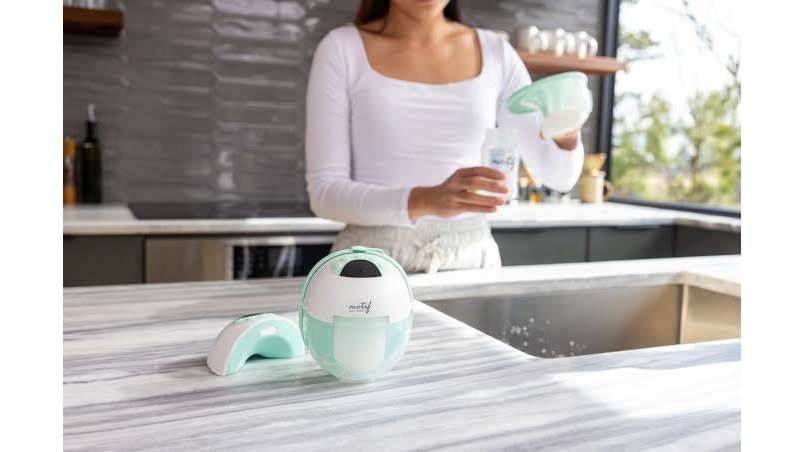
A TRICARE hands-free breast pump is a wearable pump you can use without holding it in place, and coverage for it depends on your TRICARE benefits and eligibility. That matters if you are pumping while caring for a baby, working, or managing a household.
Hands-free and wearable pumps are a specific category. Some plans treat them differently from a standard double electric pump, so confirm the model is covered before you order. Our TRICARE hands-free breast pump coverage guide walks through what to check.

For TRICARE families, we can help coordinate eligibility, the prescription from your provider, and the insurance authorization, and arrange home delivery of the hands-free pump and a maternity back support.
The Breast Pump Prescription Requirement
A breast pump prescription is a written order from your provider stating that you need a breast pump. Most plans require one before they will pay. No prescription, no coverage.
What the prescription usually needs to include:
- Your name and date of birth
- Your due date or delivery date
- The type of pump ordered
- Your provider’s signature and date
Timing matters. Many providers will write the prescription in your third trimester so it is ready before your due date. Ask your OB or midwife at your next visit, and ask them to send it to us directly. We coordinate with your provider’s office so you are not the one chasing paperwork.
How Breast Pump Insurance Authorization Works
Breast pump insurance authorization is the step where your insurer reviews the prescription and approves the order before it ships. It is the part that stalls most orders, and it is the part we take off your plate.
The process runs in four steps:
- We confirm your plan benefits and eligibility.
- We collect the prescription from your provider.
- We submit the request and follow it through your insurer’s review.
- On approval, we ship the pump and maternity back support to your home.
You do not call your insurer, your doctor, and us in a loop. We handle the authorization from start to finish. For the detailed version of this process, read our complete authorization guide.
Adding Maternity Back Support Through Insurance
Maternity back support through insurance works much like the pump. A maternity back support is a brace worn during pregnancy to take pressure off the lower back. It is a prescribed item, so coverage depends on your plan and your provider’s order.
Check Your Insurance Coverage →
Two things make the difference:
- A prescription from your provider that names the item
- A supplier that bills your plan correctly
We coordinate both. When we ship your breast pump, we can ship the maternity back support in the same order. One authorization process, one delivery, both items to your door.
If you already have low back pain, do not wait until the third trimester to ask. Bring it up at your next appointment.
Choosing Your Pump Type and Checking Your Benefits
Start with your benefits, not the pump. The right pump is the one your plan covers and your life actually needs. Checking coverage first saves you from falling in love with a model your plan will not pay for, and from ordering a pump that arrives after you have already gone back to work.
Comparing Electric, Wearable, Manual, and Hospital-Grade Pumps
Each type fits a different situation:
| Pump type | Best for | Trade-off |
|---|---|---|
| Electric double pump | Daily pumping at home | Tied to an outlet or battery pack |
| Wearable hands-free pump | Pumping while moving around, working, or caring for a baby | Smaller collection cups; suction settings vary by model |
| Manual pump | Occasional use, travel backup, relieving engorgement | Hand fatigue with frequent use |
| Hospital-grade pump | Establishing or rebuilding supply, short-term rental | Not usually a personal purchase; rental terms apply |
A primary pump is the one you use most days. Most people do best with a double electric pump as the primary and a wearable or manual as a backup. If you are unsure, our guide on how to choose your electric breast pump breaks down suction settings, flange fit, and portability.
A Decision Framework, Not Just a Table
Work through these four questions in order:
- How often will you pump? Every day at work or school points to a double electric or a hands-free wearable. Occasional use points to a manual backup.
- Where will you pump? A desk, a car, a break room, and a nursery each favor different portability and battery needs.
- Do you need hands-free? If you are caring for a baby, working, or managing a household while pumping, a hands-free wearable is the category to confirm with your plan.
- What does your plan cover? A pump your plan will not pay for is not free, no matter how well it fits the first three answers.
If you want a hands-free wearable as your primary pump, confirm the model is covered before you order. Some plans treat wearables differently from a standard double electric pump, and the difference shows up on the claim, not on the product page.
When to Order
Order timing depends on your plan. Check with your insurer about when orders are accepted. Ask your insurer when your benefit window opens, and order inside it. Many providers will write the prescription in your third trimester so it is ready before your due date, ask your OB or midwife at your next visit and have them send it to us directly.
A practical timeline:
- Second trimester: Confirm your benefits and which pump types your plan covers.
- Third trimester: Get the prescription from your provider and start the authorization.
- Before your due date: Confirm the order is approved and the ship date is set.
- After delivery: If your plan requires a delivery date on the prescription, update it and resubmit.
What to Do If Something Is Delayed
Delays usually come from three places, and each has a fix:
- Missing or incomplete prescription: Ask your provider to resend it with your name, date of birth, due or delivery date, pump type, and signature. We coordinate with your provider’s office so you are not the one chasing paperwork.
- Authorization still in review: We follow up on the request through your insurer’s review. Do not reorder from a second supplier while the first request is open, duplicate requests slow both down.
- Shipment delay: Confirm the address and the ship date with us. If the pump will not arrive before you need it, ask whether a backup manual pump is covered or available while you wait.
If Coverage Is Denied
If you get a denial, do not panic. Common reasons include a missing prescription, an out-of-network supplier, or a pump model the plan does not cover. Many of these can be addressed. Our guide to why insurance denies maternity supplies covers the reasons and the appeal steps.
If you order from a supplier your plan does not accept, the claim can be denied after the pump ships, and you may be billed. Confirm the supplier is approved before you order.
When you order through us, we confirm your benefits, collect the prescription, secure authorization, and ship the pump and maternity back support to your home at no charge, with free shipping. One process, both items, delivered to your door.
Start Your Coverage Check With General Home Medical Supply
The hardest part of getting a free electric breast pump is not the pump. It is the paperwork between your doctor and your insurer.
We do that work for you. We handle the authorization with your insurance, then arrange home delivery of your breast pump and maternity back support. You focus on your baby; we handle the billing coordination.
Here is what you get with us:
- Prescription coordination with your provider
- Insurance authorization handled end to end
- Direct home delivery of both items
Frequently Asked Questions
Does TRICARE cover a free electric breast pump?
TRICARE generally covers a breast pump for new mothers, and electric pumps are commonly included. Coverage depends on your specific plan and whether you use an in-network supplier. A prescription from your provider is typically required. General Home Medical Supply can help with the insurance authorization and arrange home delivery of the pump.
Can I get a hands-free breast pump through TRICARE?
Hands-free and wearable pumps can be covered under TRICARE, but the exact model depends on your plan’s benefits and any coverage limits. Check your specific benefits before ordering. General Home Medical Supply can help coordinate the breast pump prescription with your provider and assist with the insurance authorization.
Do I need a prescription to get a breast pump through insurance?
Most insurance plans, including TRICARE, require a breast pump prescription from your provider before the pump is covered. The prescription confirms medical need and lists the pump type. General Home Medical Supply can help coordinate this prescription with your doctor as part of the authorization process.
Does TRICARE cover maternity back support, and can it ship with my pump?
Maternity back support can be covered through insurance when it is medically necessary and prescribed by your provider. Coverage depends on your plan and authorization. General Home Medical Supply can help with the authorization for maternity back support and arrange home delivery together with your breast pump.
Getting a pump should not feel like a second job. If you have TRICARE or another plan and want the paperwork handled, get started with General Home Medical Supply and check your coverage today.
