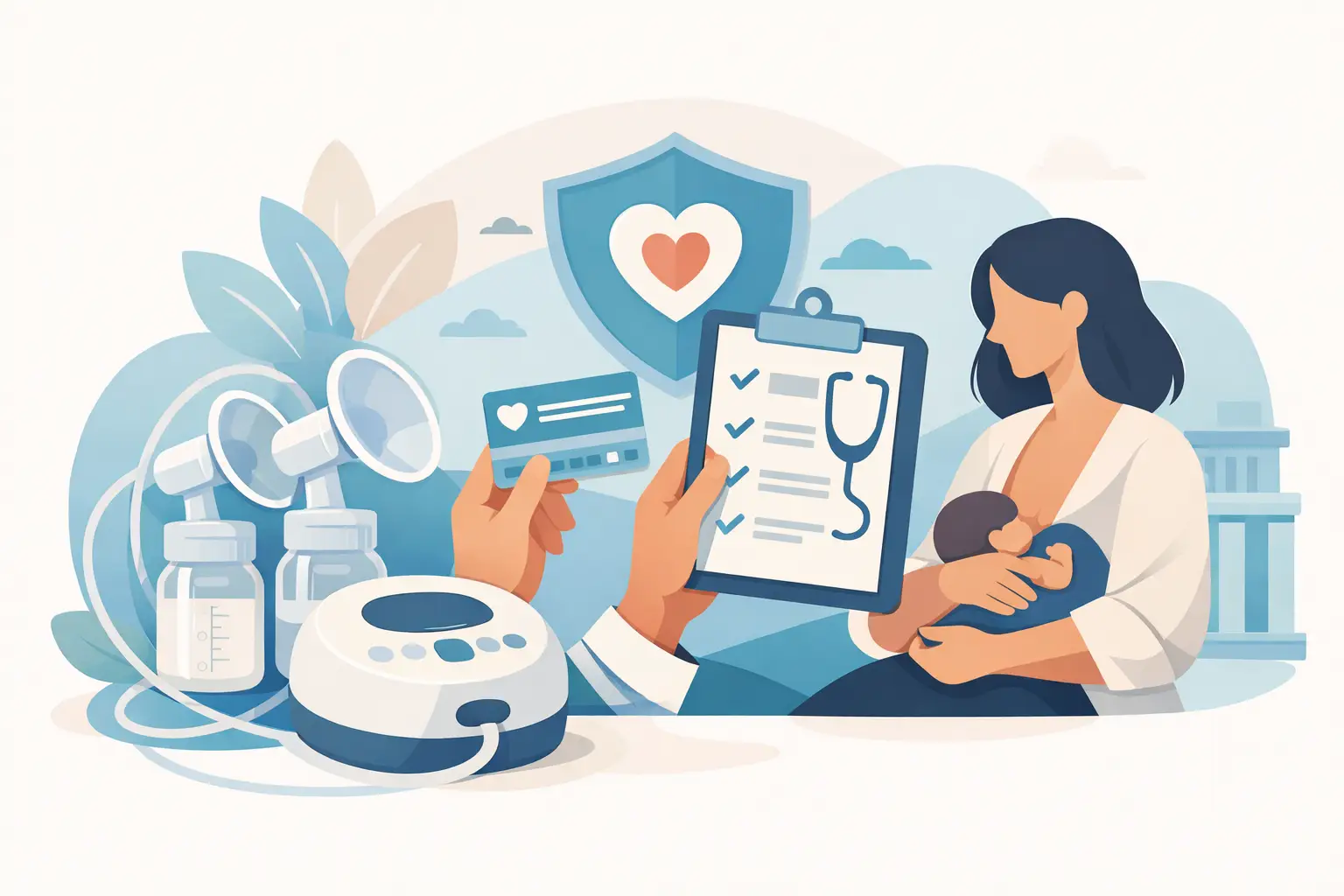
A feeding session does not always happen from the comfort of home. It may happen between pediatric appointments, while caring for an older child, or during a return to work. If you are looking for a hands free breast pump covered by Partnership HealthPlan of California, the first question is usually simple: can insurance help pay for the pump you actually need?
Often, a breast pump is an available maternity benefit, but the specific device, supplier, prescription requirements, and any out-of-pocket upgrade amount can vary. A wearable or hands-free pump may be an option, yet it is not automatically covered simply because breast pumps are covered. Verifying the details before ordering protects your benefits and helps avoid a surprise bill.
Can a Hands-Free Breast Pump Be Covered by Partnership HealthPlan of California?
Partnership HealthPlan of California provides managed care coverage for eligible Medi-Cal members in its service area. Breast pumps may be covered as durable medical equipment or as a maternity-related benefit when plan requirements are met. Your eligibility, clinical documentation, provider order, and the equipment available through an approved supplier all matter.
A standard electric breast pump is often the most straightforward option under insurance benefits. A hands-free breast pump, sometimes called a wearable pump, is designed to fit inside a nursing bra so you can pump with fewer external tubes and less time attached to a traditional setup. That added mobility can be meaningful for parents managing daily responsibilities, but wearable models may cost more than standard options.
Whether a particular hands-free model is covered depends on your current Partnership HealthPlan benefits and authorization rules. In some cases, the plan may cover a comparable standard electric pump while a preferred wearable style requires an upgrade payment. In others, an approved hands-free option may be available. Coverage rules can change, so a current benefits check is more reliable than information from an old plan year or a friend’s experience.
What “Covered” Can Mean for Your Pump
Insurance coverage is not always the same as receiving any pump at no cost. For many eligible members, an approved breast pump may be provided with little or no out-of-pocket cost. Still, there are a few situations that can affect what you pay.
Your plan may cover one category of electric pump but not every brand or wearable design. A supplier may need a prescription from your obstetric provider, midwife, primary care provider, or another qualified clinician. The plan may also require prior authorization before the item can be shipped. If you choose a pump with features beyond the covered model, such as a specific wearable format, app connectivity, or a premium collection system, you may be responsible for the difference.
This does not mean you should settle for a pump that will not work for your routine. It means the best next step is to compare the covered options with the features you need. Comfort, suction settings, portability, replacement parts, and how frequently you expect to pump are all practical considerations.
Why Hands-Free Pumps Appeal to Busy Parents
A hands-free pump can make pumping feel more manageable, especially when you need to move through your day. Many parents prefer wearable systems because they can be used more discreetly under clothing and do not require carrying a separate motor unit in hand. For some, that flexibility makes it easier to maintain a pumping schedule.
There are trade-offs. Wearable pumps may have smaller milk collection containers, may need more frequent charging, and can be more sensitive to fit and placement. A traditional double electric pump may offer stronger, more consistent suction for some users and can be a better choice for establishing or protecting milk supply. The right device depends on your body, feeding goals, daily schedule, and advice from your maternity care team or lactation professional.
If supply is a concern, do not assume that a hands-free design will perform identically to a hospital-grade or standard electric pump. Some parents use a traditional electric pump for primary sessions and reserve a wearable pump for occasional mobility. Asking about your plan’s covered options gives you room to make a decision based on both coverage and care needs.
The Information Needed to Check Coverage
The fastest path is usually to have your insurance details and provider information ready. Your member ID card, date of birth, delivery due date or delivery date, and the name of your maternity provider can help begin a coverage review. If you already have a prescription, keep it available. If you do not, a qualified medical supply team can often explain what documentation is needed and coordinate with your provider’s office.
A clear coverage check should answer more than whether breast pumps are a benefit. It should clarify whether the supplier can bill Partnership HealthPlan directly, whether prior authorization is required, which models are available, whether an upgrade fee applies, and when the pump can be sent. These details matter because ordering too early, using an out-of-network supplier, or selecting a non-covered item can complicate billing.
You should also ask whether replacement pump parts are separately covered. Flanges, valves, membranes, tubing, bottles, and other components wear over time. A pump may be covered once, while resupply benefits follow a separate schedule and may require additional verification.
A Simple Path From Prescription to Delivery
The process should feel organized, not like another task on your postpartum checklist. Start by requesting a benefits review through a qualified medical equipment supplier. The supplier confirms your plan information and checks whether a prescription or authorization is needed for the pump you want.
Next, your provider’s office submits or confirms the required order. Some orders can be coordinated before delivery; others may need to wait until closer to your due date or after your baby is born, depending on plan policy. If prior authorization applies, the supplier submits the supporting information for review.
Once the item is approved, the supplier bills the plan and ships the authorized pump to your home. If there is a non-covered upgrade amount, you should be told before the order is finalized. You deserve to know what insurance is paying and what, if anything, you would pay yourself.
General Home Medical Supply helps patients coordinate these steps, including prescription follow-up, authorization support, insurance billing, and home delivery of approved maternity supplies. The goal is simple: let your insurance benefits do the work they are meant to do, without leaving you to chase forms and phone calls during pregnancy or early parenthood.
Questions Worth Asking Before You Choose
Before selecting a hands-free breast pump, ask whether the model is covered under your specific Partnership HealthPlan of California benefits, whether it requires prior authorization, and whether there is any upgrade cost. Confirm that the supplier is able to bill your plan and ask when the pump can be delivered.
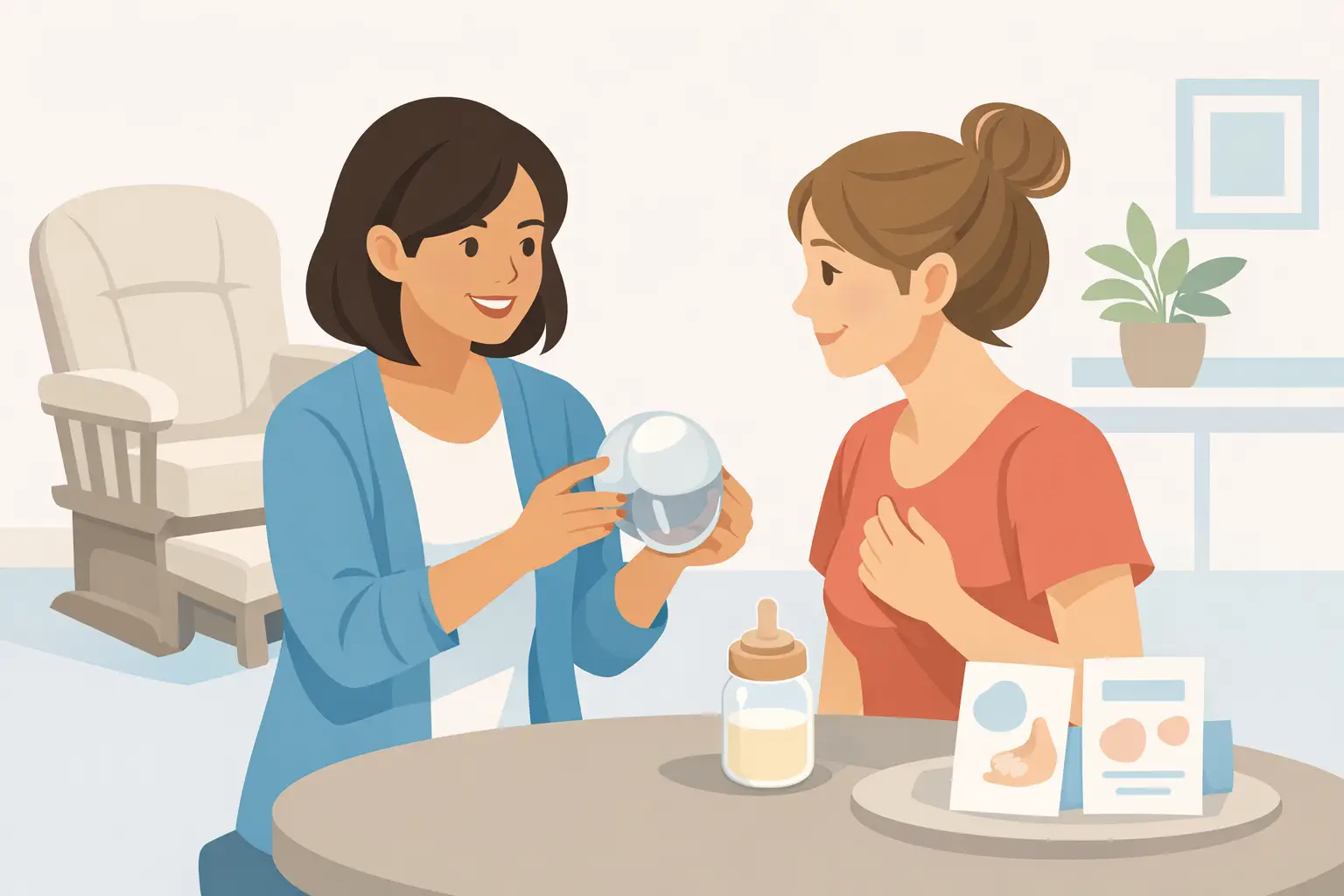
It is also useful to ask about fit support and replacement parts. Wearable pumps are not one-size-fits-all. Correct flange sizing can affect comfort and milk output, and readily available replacement parts can make a difference over months of use. If you have nipple pain, low output, recurring clogged ducts, or concerns about your baby’s feeding or weight gain, contact your healthcare provider or a lactation professional for individualized guidance.
A breast pump is more than a checklist item for your hospital bag. It is a practical piece of postpartum support. Taking a few minutes to verify coverage now can help you receive a legitimate, appropriate pump at home, with fewer financial surprises and one less detail to manage when your baby arrives.