
Last Updated: November 19, 2026
Quick Summary
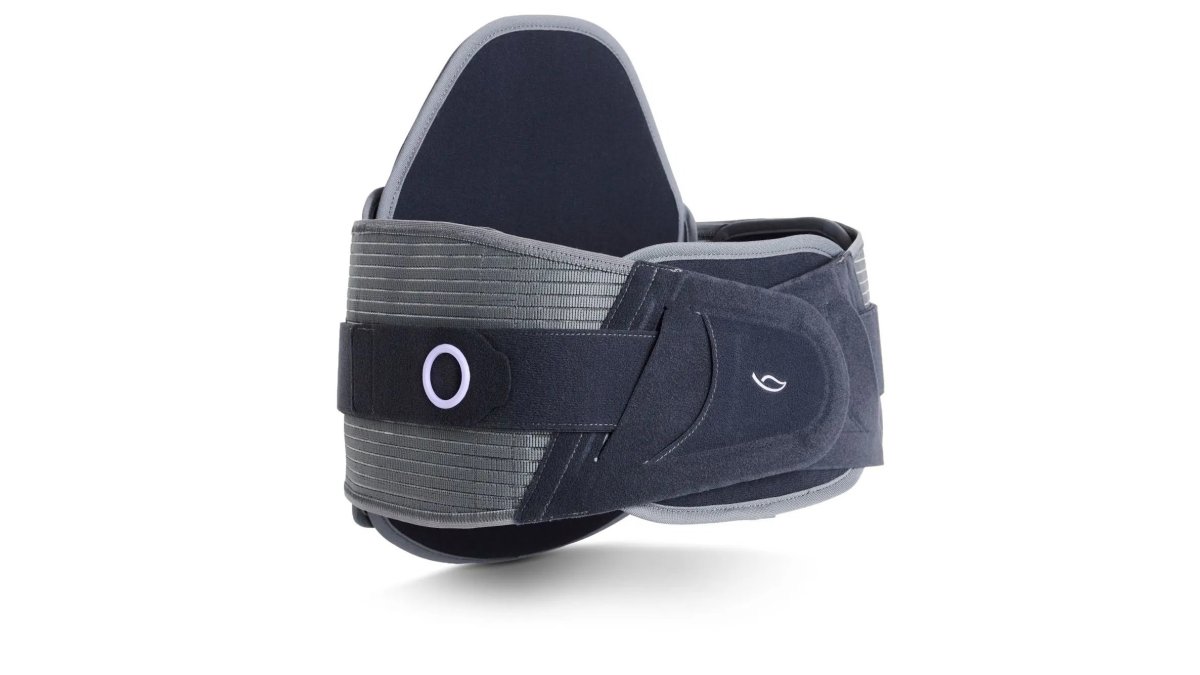
You get maternity lumbar support with a prescription by asking your OB, midwife, or nurse practitioner at a scheduled prenatal visit to document your diagnosis and medical necessity for a maternity support belt with lumbar support. Your supplier then requests authorization from your insurance and ships the belt to your home.
- Insurers treat maternity lumbar support as durable medical equipment, so a prescription is required for coverage.
- Ask for a specific device name, your diagnosis, prior treatments, and expected duration of use in the order.
- TRICARE covers medically necessary DME prescribed by a TRICARE-authorized provider and supplied by an approved vendor.
- Verify your benefits and prior authorization requirements before ordering to avoid denials.
- General Home Medical Supply requests authorization and ships your breast pump and maternity back support at no charge, with free shipping.
Table of Contents
- Why a Maternity Support Belt Needs a Prescription
- How to Ask Your Provider for a Prescription Maternity Support Belt
- Lumbar Support Pregnancy Insurance: Verifying TRICARE Coverage
- Choosing the Right Maternity Lumbar Support for Your Body
- TRICARE Hands-Free Wearable Breast Pump: Adding It to Your Order
- Safe Use and Realistic Expectations for Pregnancy Back Support
- Check Your Insurance Coverage With General Home Medical Supply
- Frequently Asked Questions
Why a Maternity Support Belt Needs a Prescription
Maternity lumbar support requires a prescription because insurers treat it as durable medical equipment, not a retail accessory. That single classification decides whether your belt is covered or billed to you. Many families find this step confusing, so it helps to understand the paperwork before anything ships.
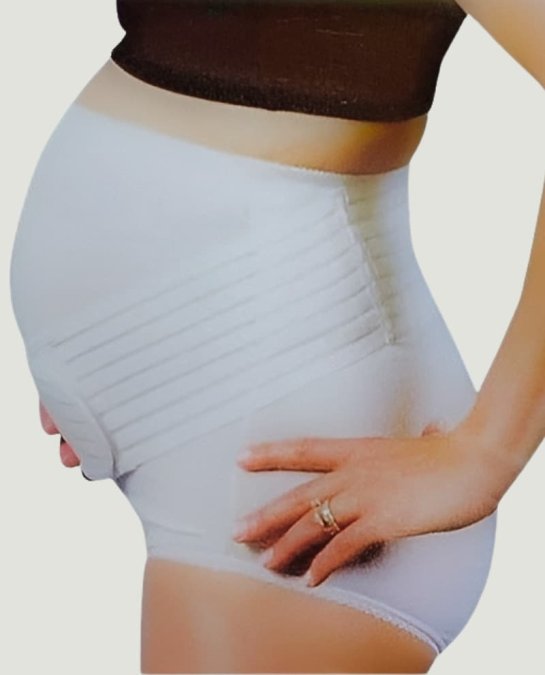
Durable medical equipment is a device that serves a medical purpose, is not useful to someone without a medical condition, and is meant for use in the home. A pregnancy back brace fits that definition when your provider documents that you need it. Without that documentation, an insurer has no basis to pay.
Medical Documentation That Supports Coverage
The note in your chart does the heavy lifting. A prescription that says only “back brace” invites a denial. A stronger order names the item, ties it to your diagnosis, and explains why you need it now.
Ask your provider to include:
- Your diagnosis, such as pregnancy-related lower-back pain or sacroiliac pain
- How long you have had symptoms and what you have already tried
- A statement that the support is medically necessary during pregnancy
- The specific type of device, such as a maternity support belt with a lumbar insert
- Expected duration of use, including postpartum recovery if relevant
Watch out: a vague order is the most common reason a claim stalls, and fixing it later means a second call to your doctor’s office and another wait.
If you want the full walkthrough on the paperwork side, our guide on how to get a free maternity belt through insurance covers each step in order.
How to Ask Your Provider for a Prescription Maternity Support Belt
The easiest way to get a prescription maternity support belt is to ask at a scheduled prenatal visit rather than by phone. Bring the request in writing so nothing gets lost between the exam room and the front desk.
Most obstetric providers handle this request routinely. What they need from you is clarity about what you are asking for and why. Say plainly that you have lower-back pain or pelvic pressure that limits daily activities, and that you want a support garment your insurance can cover.
A short script helps:
“I’ve been having lower-back and hip pain that makes it hard to stand through the day. I’d like a prescription for a maternity support belt with lumbar support. Can you document the diagnosis and medical necessity so my supplier can request authorization?”
Step-by-Step: From Symptom to Signed Order
Step 2, Raise it at a scheduled prenatal appointment. Ask your OB, midwife, or nurse practitioner during a routine visit.
Step 5, Confirm the office will respond to your supplier. Before you leave, ask whether the office will respond to a fax or patient-portal request from a medical supplier.
Step 6, Get a copy. Ask for a copy of the order or confirm it will be sent to you. Having it in hand speeds up any follow-up.
Watch out: a vague order is the most common reason a claim stalls, and fixing it later means a second call to your doctor’s office and another wait.
If you want the full walkthrough on the paperwork side, our guide on how to get a free maternity belt through insurance covers each step in order. The insurance approval steps for maternity support garments explain what your supplier submits and how to head off a denial before it happens.
Lumbar Support Pregnancy Insurance: Verifying TRICARE Coverage
Lumbar support pregnancy insurance coverage under TRICARE depends on your plan and on whether the item meets the durable medical equipment benefit. Verification comes first, ordering second. Skipping that order creates the denials people complain about.
TRICARE covers medically necessary DME when the device is prescribed by a TRICARE-authorized provider and supplied by an approved vendor. Coverage details vary by plan, so confirm your specific benefit rather than relying on a general answer. The official TRICARE DME guidance is the source to check for current rules, and our article on verifying TRICARE coverage for DME walks through what to have on hand.
How to Verify Your Benefits Before You Order
Call the number on the back of your TRICARE card or log in to your plan’s beneficiary portal. Ask three questions:
- Is a maternity support belt covered as durable medical equipment under my plan?
- Does it require prior authorization, and what documentation does the plan need?
- Are there any plan-specific limits on the device type or quantity?
Write down the representative’s name, the date, and the reference number for the call. If a claim is later questioned, that record is your proof of what you were told.
Prescription Terminology and Billing Details
Insurers and suppliers may describe the same product in different terms. A maternity support belt may appear as a maternity support garment, a pregnancy back brace, or durable medical equipment. The billing code and coverage decision depend on the plan and the supplier, so do not assume that one label guarantees coverage. When you call to verify, read back the exact product description your supplier will submit.
Benefits Verification and Authorization Steps
Here is the sequence that keeps an order moving:
- Confirm your plan and coverage category
- Provide your prescription and provider contact
- Supplier submits the authorization request with documentation
- Insurer reviews and issues an approval or a request for more information
- Supplier ships to your home after approval
General Home Medical Supply contacts your doctor for the prescription, requests authorization from your insurance, and ships the product to your home at no charge to you. Shipping is free.
If a Claim Is Denied or You Buy Out of Network
A denial is not always final. Common reasons include missing documentation, a device that does not meet the plan’s DME definition, or a supplier outside the network. If you receive a denial, ask the plan in writing for the specific reason and what documentation would support an appeal. You can also ask your provider to submit a letter of medical necessity that addresses the denial reason directly.
If you buy from an out-of-network supplier, the plan may reimburse less or nothing. Verifying network status before you order is the simplest way to avoid that outcome.
Choosing the Right Maternity Lumbar Support for Your Body
Fit decides whether a support garment helps or hurts. A belt that rides up, digs into your hips, or cannot adjust as your abdomen grows will end up in a drawer.
| Feature | What to Look For | Why It Matters |
|---|---|---|
| Adjustability | Multiple straps or hook-and-loop panels | Accommodates the growing abdomen across trimesters |
| Lumbar insert | Removable, moldable pad | Targets lower-back pain without bulk |
| Coverage | Under-belly lift plus back panel | Redistributes abdominal weight and eases pelvic pressure |
| Fabric | Breathable, low-profile material | Comfortable under clothing during daily activities |
| Fit range | Sized to your current hip measurement | Prevents slipping and pressure points |
Support during the second and third trimesters is where these features earn their keep. As the abdomen grows, the belt needs to lift and support without compressing. Adjustability is not a luxury here; it is the difference between a garment you wear daily and one you abandon.
If you are ready to order and want a supplier that handles authorization, see how to get a maternity support belt near you covered.
TRICARE Hands-Free Wearable Breast Pump: Adding It to Your Order
A TRICARE hands-free wearable breast pump can go on the same order as your maternity back support, which saves a second round of paperwork. Both are handled through the same authorization process.
Wearable pumps suit mothers who need to pump while managing household tasks or returning to work. Because they fit inside a bra and run without tubing, they change where and when pumping is possible. Coverage rules for pumps differ from those for support garments, so confirm your benefit separately rather than assuming one approval covers both.
Our guide on the TRICARE hands-free breast pump order process lists what to have ready. General Home Medical Supply requests authorization for the pump alongside the maternity back support and ships both to your home at no charge. Shipping is free.
Safe Use and Realistic Expectations for Pregnancy Back Support
Relief is real but gradual. Some people find that consistent wear eases end-of-day fatigue and makes standing easier, though results vary.
Use the belt for activity, not around the clock. Common guidance is to wear it during walks, household tasks, and long periods on your feet, then remove it for rest and sleep. Skin irritation from prolonged wear is a common concern, and wearing the belt over a thin layer of clothing may help.
A few cautions worth stating plainly:
- Stop wearing it and call your provider if pain worsens or you feel numbness or tingling
- Do not tighten the belt to the point of restricting breathing or digestion
- Tell your provider about any new pelvic or hip discomfort rather than self-treating
- Treat the belt as one part of care, alongside posture support and movement
Postpartum recovery is a separate conversation with your provider. Some people continue wearing a support garment after delivery, but that decision belongs to your clinician, not to a product listing.
Check Your Insurance Coverage With General Home Medical Supply
Coverage questions are the reason most orders stall, and they are the part we take off your plate. We contact your doctor for the prescription, request authorization from your insurance, and ship your maternity back support and hands-free breast pump to your home at no charge to you.
You do not have to call three offices and explain your situation each time. We handle the coordination with your provider and your plan, and we tell you what we need from you only when we actually need it.
If you are in your second or third trimester with lower-back pain and a TRICARE plan, the next step is a coverage check, not a purchase.
Frequently Asked Questions
Can you get a maternity support belt with a prescription?
Yes. A maternity support belt can be obtained with a prescription from your doctor or midwife. The prescription documents that the support is medically necessary for your pregnancy-related back or pelvic discomfort. Once you have it, a supplier can use it to request insurance authorization on your behalf. General Home Medical Supply contacts your doctor for the prescription and handles the authorization, then ships the maternity support belt to your home at no charge.
Does TRICARE cover maternity back support?
TRICARE may cover maternity back support when it is prescribed as durable medical equipment and deemed medically necessary. Coverage depends on your specific plan and whether the supplier is in-network. General Home Medical Supply verifies your TRICARE benefits and obtains authorization before shipping, so you know your coverage status upfront. There is no charge to you for the maternity lumbar support, and shipping is free.
How do I get a hands-free wearable breast pump through TRICARE?
TRICARE covers breast pumps for new mothers when medically necessary. To get a TRICARE hands-free wearable breast pump, you need a prescription from your provider. General Home Medical Supply requests the prescription, submits the authorization to TRICARE, and ships the pump to your home at no cost to you. Shipping is free, and the company handles all the paperwork so you do not have to call your insurance repeatedly.
Can maternity back support and a breast pump be shipped to my home?
Yes. General Home Medical Supply ships both maternity back support and breast pumps directly to your home. Once insurance authorization is complete, the items are sent at no charge, and shipping is free. This means you can receive your maternity lumbar support and TRICARE hands-free wearable breast pump without leaving home, which is especially helpful during the third trimester or after delivery.
