
Last Updated: November 12, 2026
Quick Summary
Start a pregnancy support belt when daily back or pelvic discomfort begins to affect walking, standing, or rest, rather than at a set week. Many people notice this in the second or third trimester, and a provider can confirm the right timing for you.
- Start when discomfort appears during activity like walking, standing, or stairs.
- Consider a belt before long shifts, commutes, or trips involving hours of standing.
- Do not start only because of the week count if you are comfortable.
- Loosen or remove the belt if you feel shortness of breath, numbness, or skin irritation.
- TRICARE members can get authorization handled and free shipping of eligible items.
Table of Contents
- How to Tell When a Pregnancy Support Belt Makes Sense for You
- How Pregnancy Stage and Bump Growth Affect Timing
- How a Support Belt Works and How to Put It On and Adjust It
- How Long to Wear a Belly Band During Pregnancy and When to Take It Off
- Pregnancy Support Belt Safety and Warning Signs to Watch For
- Choosing the Best Belly Band for Pelvic Pain or Back Pain
- How TRICARE Members Can Get a Hands-Free Breast Pump and Maternity Back Support Shipped Free
- Frequently Asked Questions
How to Tell When a Pregnancy Support Belt Makes Sense for You
Many pregnant people wonder whether a pregnancy support belt is worth trying. This guide covers how to tell when a support belt may help and what to do next.
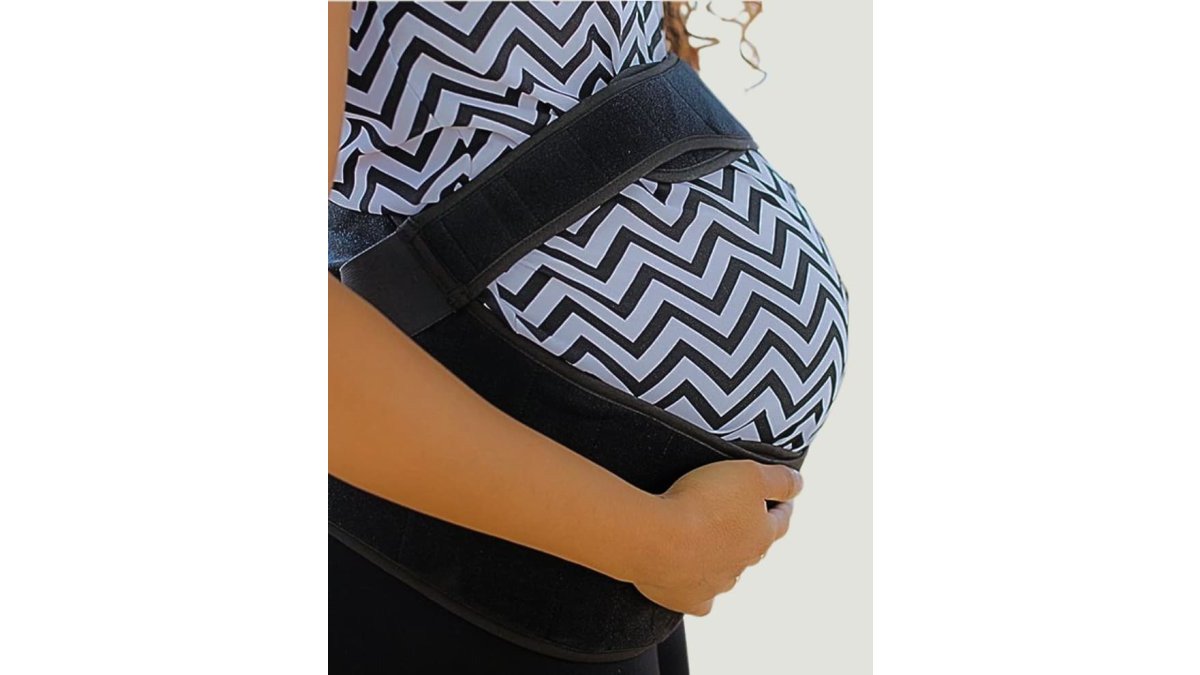
A pregnancy support belt, also called a belly band, is a wide elastic wrap that fits around the lower belly. It is designed to lift and support the weight of the growing bump. Some people find that it eases pressure in the lower back or pelvis.
Signs that a belt might be worth discussing include:
- Lower back ache that grows as the day goes on
- Pelvic pressure or a feeling that the bump is pulling down
- Discomfort when walking, standing, or climbing stairs
- Trouble staying comfortable through a full day on your feet
These signs do not always mean you need a belt. Talk with your OB or midwife first, especially if the discomfort is sharp, sudden, or comes with bleeding, fluid leaking, or fever. Those symptoms need prompt medical attention.
How Pregnancy Stage and Bump Growth Affect Timing
Most guides answer this question with a single range: somewhere between 20 and 30 weeks. That range is a reasonable starting point, but it is not a rule.
Here is how the two ideas fit together.
The 20-30-week range. Around 20 weeks, the top of the uterus typically reaches the level of the belly button, and the bump begins to change how weight is carried through the lower back and pelvis.
The symptom-driven principle. A belt is a tool for managing strain, not a milestone to hit. The better question is whether you have a task or a symptom that a belt would help with.
A practical way to decide:
- Start when discomfort shows up during activity. Lower back ache, pelvic pressure, or a pulling-down feeling during walks, stairs, or a full day on your feet is the clearest signal.
- Start when a specific activity demands it. A long shift, a commute, a workout, or a trip that involves hours of standing is a reasonable trigger even if your day-to-day is comfortable.
- Do not start just because of the week. Wearing a belt earlier than you need it is not usually harmful, but it may not help and can add bulk and heat.
- Reassess as the bump grows. A belt that felt right at 24 weeks may need readjustment or a different style by 32 weeks as the belly changes shape and sits higher.
Bump growth matters because it changes where the weight lands. Early on, the bump is lower and the pull is often felt in the pelvis. Later, the weight is higher and more forward, and lower-back strain tends to become the bigger complaint.
If you are unsure, bring the question to your OB or midwife at a routine visit. They can look at your symptoms, your activity level, and your pregnancy history and give you a timing answer that fits your body rather than a generic range.
How a Support Belt Works and How to Put It On and Adjust It
A belly band spreads the weight of the bump across a wider area of the abdomen and lower back. This can reduce the pull on the lower back and pelvis. It does not change the baby’s position or prevent any problem in pregnancy.
To put on a belly band:
- Lay the band flat with the stretchy side facing your body.
- Wrap it under the bump so it sits low, below the belly and above the hips.
- Fasten it snugly, but not tight enough to restrict breathing or cause numbness.
- Check that it is level and not riding up toward the ribs.
Watch out: A band pulled too tight can cause discomfort or skin irritation. If you notice tingling, numbness, or breathing trouble, loosen it right away.
How Long to Wear a Belly Band During Pregnancy and When to Take It Off
Many people wear a belly band for a few hours at a time, such as during long walks or a full workday. Some wear it while standing or doing household tasks, then remove it while sitting or resting.
Consider taking the band off when:
- You are lying down to sleep or rest, unless your provider advises otherwise
- Your skin feels hot, itchy, or irritated
- The band causes more discomfort than it relieves
- You feel short of breath or lightheaded
Ask your provider how long you should wear a belt each day. Their advice is the best guide for your situation.
Pregnancy Support Belt Safety and Warning Signs to Watch For
A pregnancy support belt is generally considered low risk, but safety depends on fit, wear time, and knowing which symptoms are about the belt and which are about the pregnancy. Most guides list pregnancy red flags and stop there. The belt-specific checks below are the part that is usually missing.
Fit checks that tell you the belt is working correctly.
- You can slide two fingers flat under the band without forcing it.
- Your breathing is unchanged, and you can take a full deep breath without resistance.
- No tingling, numbness, or cold feeling in the legs, feet, or toes.
- The band sits low, below the bump and above the hip bones, and stays level when you walk.
- Your skin is not hot, red, or itchy under the band after an hour of wear.
When to loosen or remove the belt right away.
- Shortness of breath, lightheadedness, or a feeling of being squeezed.
- Tingling, numbness, or swelling in the legs or feet.
- Skin that is hot, itchy, or irritated under the band.
- The belt causes more discomfort than it relieves, or it rides up toward the ribs.
- You feel the baby moving less than usual after the belt has been on for a while.
When to call your OB or midwife about the belt itself.
- Discomfort that gets worse with the belt on and does not ease when you take it off.
- A fit problem you cannot solve by adjusting the closures, such as a band that will not stay low or digs into the hips.
- New pelvic or lower-back pain that starts after you begin wearing a belt.
- Any skin breakdown, rash, or persistent irritation under the band.
When to seek prompt medical attention regardless of the belt.
- Sharp or worsening pain in the abdomen, back, or pelvis.
- Bleeding, fluid leaking, or regular contractions.
- Fever, chills, or a burning feeling when you urinate.
- Swelling in the face, hands, or legs, or a severe headache.
- A noticeable decrease in fetal movement.
These symptoms are not caused by a belt, but they need medical evaluation. Do not wait to see if they go away.
What a belt can and cannot do. Support belts may help with the mechanical load of the bump, which is why some people report less lower-back and pelvic discomfort during activity.
A note on individualized advice. General information like this is a starting point, not a diagnosis. Your OB or midwife knows your pregnancy history, your symptoms, and any complications, and their guidance should take priority over any general recommendation, including the timing ranges and fit checks in this guide.
Choosing the Best Belly Band for Pelvic Pain or Back Pain
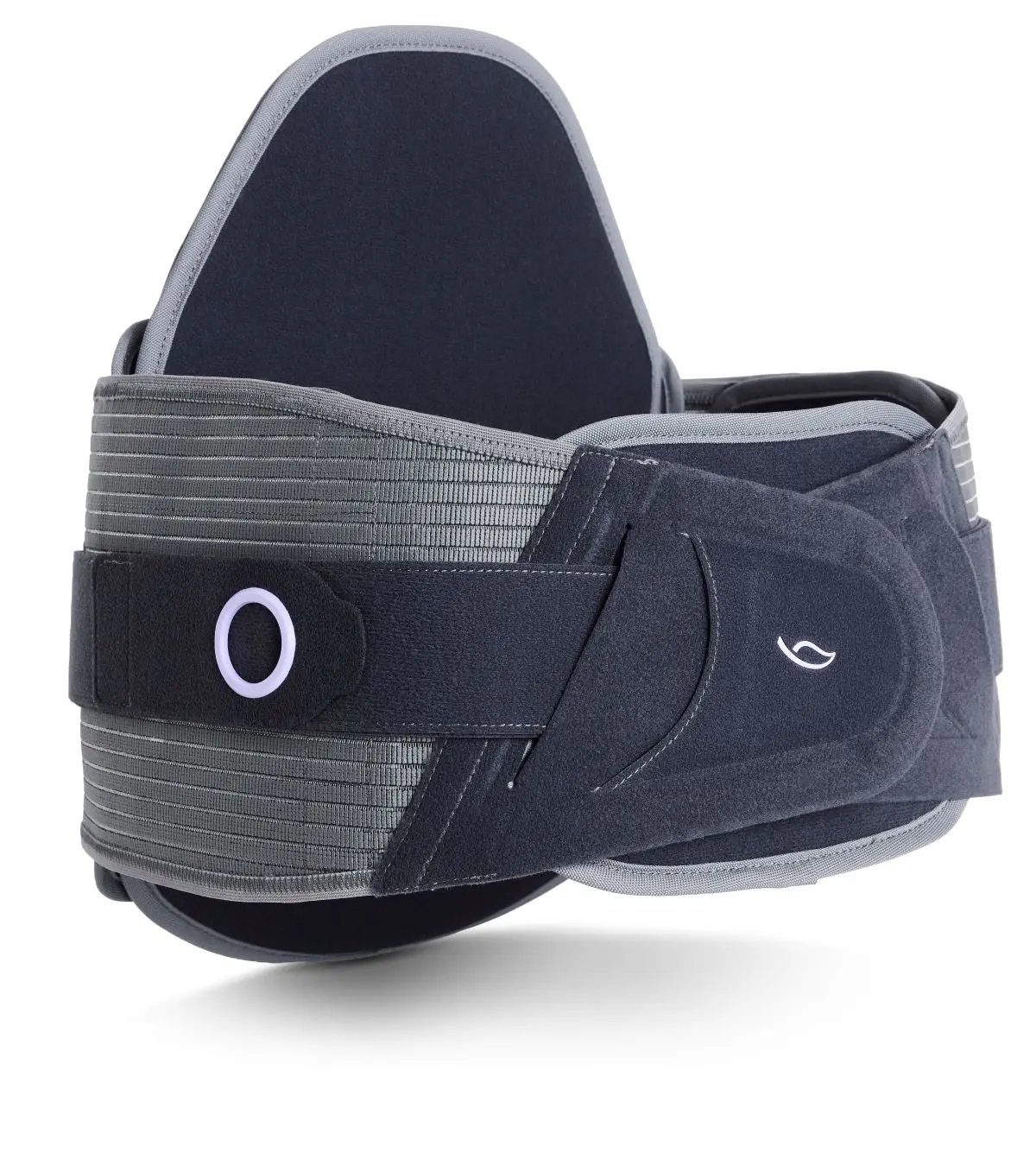
Different bands suit different needs. Some are built for broad lower-back support, while others focus on lifting the belly to ease pelvic pressure. Look for a band with wide, soft panels, adjustable closures, and breathable fabric.
For back pain, a band with firm, wide support across the lower back may feel most helpful. TRICARE members can follow the free breast pump authorization steps to see how eligible items are approved and delivered. For pelvic pressure, a band that sits low and supports the belly often works better. Many people try a few styles before finding a good fit.
Maternity back support products are another option for lower-back discomfort. Read how maternity back support can be covered through insurance to see how the authorization works. Your provider may recommend a specific type based on your symptoms.
Best for: people with steady lower-back or pelvic strain who want daily support. Skip if: you have new, sharp, or unexplained pain, since that needs a medical check first.
How TRICARE Members Can Get a Hands-Free Breast Pump and Maternity Back Support Shipped Free
TRICARE members who need a hands-free breast pump or maternity back support can get help with the process. See the TRICARE breast pump coverage explanation to understand what your plan includes. General Home Medical Supply handles the insurance authorization for eligible items, so you do not have to manage the paperwork alone.
Once authorization is approved, we ship the breast pump and maternity back support directly to your home. Shipping is free. You can ask your provider to send the prescription and any required documentation to start the process. Check your TRICARE coverage to see what your plan includes before you order.
Here is how the process generally works:
- Your provider sends the prescription or order.
- We request authorization from your insurance on your behalf.
- After approval, we ship the items to your home at no cost to you.
Coverage rules and eligible products can vary, so confirm details with TRICARE and your provider. Get a free hands-free breast pump through TRICARE if you want to see how the service works.
Here is how the process generally works for TRICARE members who need a hands-free breast pump.
|
Step |
What happens |
Cost to you |
|---|---|---|
|
Provider order |
Your provider sends the prescription or order |
Not stated |
|
Authorization |
General Home Medical Supply requests authorization from your insurance |
Handled for you |
|
Shipping |
Approved items ship to your home |
Free |
Frequently Asked Questions
How early can you use a pregnancy support belt?
Many people start using a pregnancy support belt in the second trimester, once the bump is large enough that extra support feels helpful. Some people use one earlier if they have back or pelvic discomfort, but a belt is not required in the first trimester. Because timing depends on your body and your pregnancy, talk with your OB or midwife before you begin. They can tell you whether a support belt fits your situation and what fit to look for. If you have TRICARE, ask your provider to document the medical need so the request can be authorized.
How many hours a day should you wear a pregnancy support belt?
Most people wear a pregnancy support belt during activities that add strain, such as standing, walking, or lifting, and take it off when sitting for long periods or sleeping. There is no single correct number of hours that applies to everyone. Start with shorter periods, notice how your body feels, and adjust. If the belt causes numbness, pain, or skin irritation, stop wearing it and contact your provider. A qualified professional can give guidance for your specific pregnancy.
Is a pregnancy support belt safe to wear every day?
A properly fitted support belt is generally used daily by many people during pregnancy, but safety depends on fit, comfort, and your individual health. Avoid a belt that is too tight, restricts breathing, or presses on your abdomen. Stop wearing it and talk with your provider if you notice new pain, swelling, or changes in your baby’s movement. Your OB or midwife can confirm whether daily use is appropriate for you.
Can I get a hands-free breast pump and maternity back support through TRICARE at no cost?
General Home Medical Supply handles the authorization request with your insurance, so you do not have to manage the paperwork yourself. Once the request is approved, we ship the hands-free breast pump and maternity back support to your home, and shipping is free. Your prescribing provider must order the items, and coverage depends on your TRICARE plan and approval. Contact General Home Medical Supply to check your coverage before you order.
