
Table of Contents
- Why Back Pain Hits Harder at Work During Pregnancy
- How to Sit With Back Pain During Pregnancy
- Pregnancy Back Pain Stretches at Work
- Workplace Accommodations for Pregnancy Back Pain
- Maternity Back Support for Pregnancy: What to Know
- A Practical Workday Relief Plan
- Warning Signs That Need a Call to Your Provider
- Conclusion
- Frequently Asked Questions
Last Updated: October 17, 2026
Why Back Pain Hits Harder at Work During Pregnancy
If you’re wondering how to manage back pain during pregnancy at work, start with the basics: most pregnancy back pain comes from a mix of shifting posture, looser ligaments, and extra weight pulling on muscles that were never asked to do this much. At General Home Medical Supply, we talk with expecting parents every week who are trying to stay productive at a desk or on their feet while their body changes faster than their workspace does.
The workplace makes it worse. A chair that fit you six months ago doesn’t fit now. The same lifting, twisting, and standing routines now strain a spine that’s carrying more load with less support. That’s why the fix isn’t one stretch or one pillow. It’s a small set of habits and setup changes you repeat daily.
Below, we’ll walk through what causes the pain, how to sit, which stretches help, and how to build a workday plan that actually holds up.
What Causes Pregnancy Back Pain
Pregnancy back pain is discomfort in the lower back, hips, or pelvic area caused by hormonal changes, weight gain, and shifting posture during pregnancy. The hormone relaxin loosens ligaments, including those that support the spine. As the belly grows, the center of gravity moves forward, so the lower back curves more to compensate.
That combination creates muscle tension and fatigue, especially after hours of sitting or standing. The abdominal muscles stretch and weaken, which leaves the back muscles doing more work. This is normal, and it’s also manageable with the right routine.
How to Sit With Back Pain During Pregnancy
The best sitting position for pregnancy back pain keeps your spine in a neutral alignment: feet flat, hips level, and lower back supported. Most people slump because their chair offers no lumbar support. Fix the chair first, then fix the habit.
Setting Up Your Workstation
A few adjustments make a real difference. Use these as a checklist:
- Chair height: knees at or slightly below hip level, feet flat on the floor. If your feet dangle, add a footrest so your hips stay level.
- Seat depth: leave two to three fingers of space between the back of your knee and the edge of the seat. A seat that presses behind the knees restricts circulation and encourages slouching.
- Lumbar support: a cushion or rolled towel behind the lower back curve, centered at your waistline, not your mid-back.
- Screen height: top of the monitor at eye level so you don’t lean forward. If you use a laptop, raise it on a stand or a stack of books and add an external keyboard and mouse.
- Keyboard and mouse: close enough that your elbows stay near your sides and your wrists stay flat. Reaching forward rounds the shoulders and pulls on the lower back.
- Footrest: if your feet don’t reach the floor, use one to keep hips level and reduce pressure on the lower spine.
- Phone and reference materials: keep frequently used items within arm’s reach so you don’t twist or stretch repeatedly.
Stand up and reset your posture every 30 to 45 minutes. Prolonged sitting is the real enemy, not any single chair. A common pattern is that pain builds not from one long sit but from many short slouches that go uncorrected.
Set a phone timer for every 40 minutes. When it goes off, stand, walk for two minutes, then sit back down and re-check your posture. Small resets beat one long stretch session.
Sitting vs. Standing: Finding Your Mix
No single position is best for every hour of pregnancy. Many practitioners suggest alternating between sitting and standing rather than holding either for long stretches. If your role allows it, a sit-stand desk or a counter-height surface lets you shift position without leaving your task. When you stand, keep your weight evenly distributed and avoid locking your knees. When you sit, return to the checklist above rather than collapsing into the chair.
If you have Tricare insurance and need a hands-free breast pump or maternity back support, we handle all the authorization with your insurance and ship your breast pump and maternity back support to your home at no charge, with free shipping.
Pregnancy Back Pain Stretches at Work
Pregnancy back pain stretches at work should be gentle, brief, and repeatable in a small space. Hold each stretch for about 10 seconds and repeat 10 times where comfortable. Stop if anything hurts.
- Pelvic tilts: sit or stand tall, gently tuck your pelvis and flatten your lower back, then release
- Cat-cow stretch: on hands and knees, alternate arching and rounding your spine slowly
- Standing back extension: hands on hips, gently lean back a few inches, hold, return
- Seated spinal twist: sit tall, turn your shoulders gently to one side, hold, switch
- Shoulder rolls: roll shoulders back in slow circles to release upper-back tension
Movement keeps muscles from stiffening. Short, frequent sessions work better than one long one.
Check Your Insurance Coverage →
Workplace Accommodations for Pregnancy Back Pain
Workplace accommodations for pregnancy back pain are changes to your workspace or schedule that reduce strain, and you can request them. Under the Pregnant Workers Fairness Act guidance from the EEOC, many pregnant workers have a right to reasonable accommodations. That can include a supportive chair, a stool, more frequent breaks, or help with lifting.
Ask in writing, describe the task that’s causing pain, and propose a specific fix. A short email to your manager or HR is enough to start. Most requests are simple and cheap to grant.
Don’t wait until the pain is severe to ask. A small accommodation now, like a lumbar cushion or a standing break every hour, prevents bigger problems later in pregnancy.
Maternity Back Support for Pregnancy: What to Know
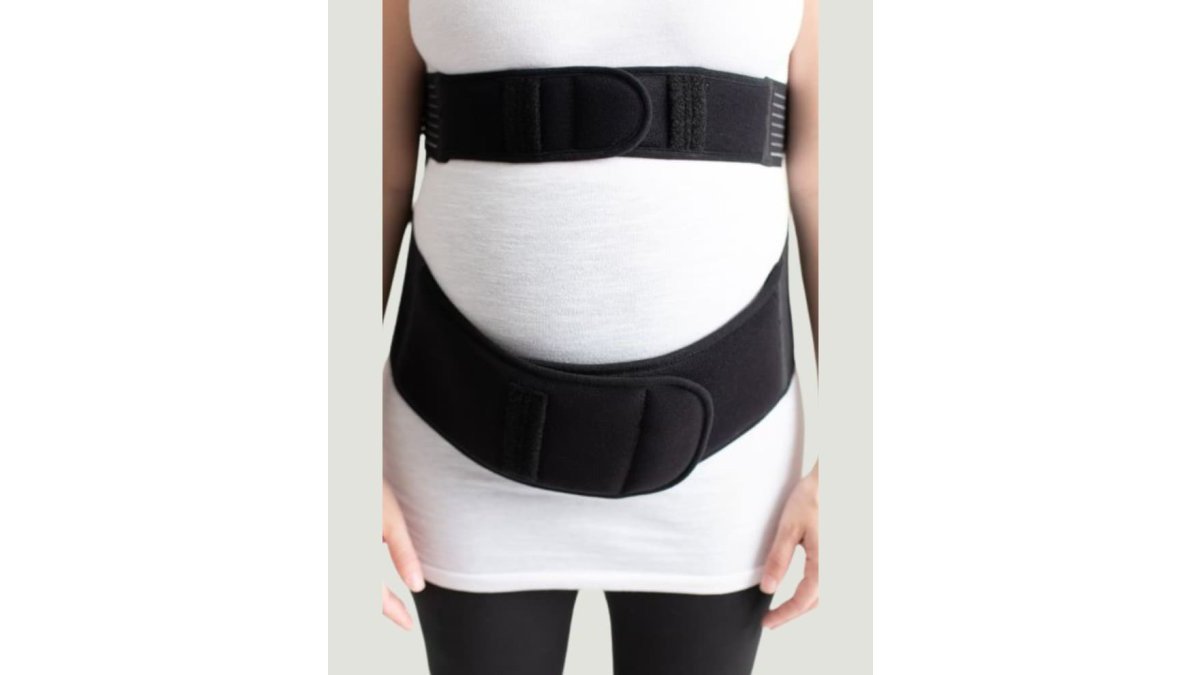
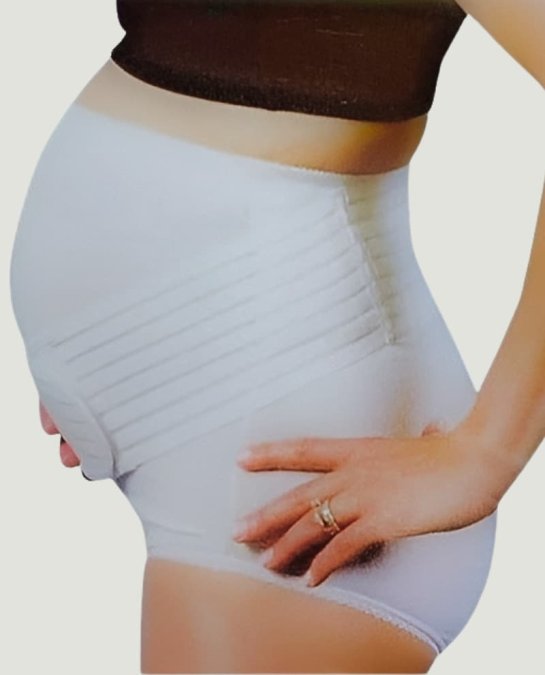
Maternity back support for pregnancy is a brace or belt worn around the lower back and belly to take pressure off the spine and support the growing bump. Many people find relief, especially during long shifts or standing work. A maternity support belt can help with posture and ease lower back discomfort.
At General Home Medical Supply, we handle the insurance side for you. We get all the authorization from your insurance, then ship your maternity back support and breast pump to your home at no charge, with free shipping. If you have Tricare insurance and need a hands-free breast pump, we coordinate the paperwork so you don’t have to chase approvals.
The right support belt plus a good workstation setup does more than either alone. Combine them with movement breaks for the best results.
A Practical Workday Relief Plan
A workday plan beats random stretching. Here’s a simple routine you can follow:
| Time | Action | Why It Helps |
|---|---|---|
| Morning | Set up chair and screen before starting | Prevents slumping all day |
| Every 40 min | Stand and walk for 2 minutes | Eases muscle tension |
| Mid-morning | 5-minute stretch break (pelvic tilts, cat-cow) | Keeps back flexible |
| Lunch | Short walk, avoid sitting the whole break | Reduces stiffness |
| Afternoon | Re-check posture, use lumbar support | Maintains neutral spine |
| End of day | Gentle stretches before leaving | Releases built-up tightness |
Managing Pain Across Different Job Types
Desk work calls for a supportive chair and movement breaks. Standing jobs need supportive footwear, a anti-fatigue mat, and shifting weight between feet. Lifting jobs call for proper lifting technique: bend at the knees, keep the load close, and ask for help. Whatever your job, tell your employer what’s causing pain and request a fix.
Warning Signs That Need a Call to Your Provider
Most pregnancy back pain is normal. Some signs need a call to your provider right away:
- Pain that comes with fever, chills, or burning with urination
- Numbness, weakness, or loss of feeling in your legs
- Severe pain that doesn’t ease with rest
- Regular cramping or contractions
- Any change in your baby’s movement
When in doubt, call. Your obstetric care team would rather hear from you than have you wait.
Conclusion
Managing back pain at work during pregnancy comes down to a supportive setup, gentle movement, and asking for the accommodations you’re entitled to. If you have Tricare insurance and need a hands-free breast pump or maternity back support, we can help. General Home Medical Supply handles all the insurance authorization, then ships your breast pump and maternity back support to your home at no charge, with free shipping. Check your insurance coverage today and let us take the paperwork off your plate.
Frequently Asked Questions
How can I relieve back pain while sitting at work during pregnancy?
Start with your chair: set the seat height so your knees sit level with or slightly below your hips, and slide a lumbar cushion into the curve of your lower back. Keep both feet flat on the floor and your monitor at eye level so you are not leaning forward. Stand up and walk for two to three minutes every 30 to 45 minutes, even if it is just to refill your water. A maternity back support brace can also take pressure off your lower back during longer sitting stretches. If pain persists or worsens, talk to your obstetric provider.
Can a maternity back support help with pregnancy back pain at work?
A maternity back support brace is designed to support the lower back and, in some designs, lift the belly’s weight off the pelvic area. Many pregnant workers find it helpful during long shifts, prolonged standing, or commutes. Fit matters more than anything: a brace that is too loose does little, and one that is too tight restricts movement. Ask your provider whether a brace suits your situation, and check whether your insurance plan covers one. General Home Medical Supply handles the prescription coordination and insurance authorization, then ships the brace to your home at no charge with free shipping.
What workplace adjustments can help with pregnancy back pain?
Ask for a chair with adjustable height and lumbar support, a footrest if your feet dangle, and a monitor riser so the screen sits at eye level. Request permission to take short movement breaks every hour and to alternate sitting and standing where possible. If your job involves lifting, ask for a weight limit and help with heavy items. Under the Pregnant Workers Fairness Act, many employers are required to provide reasonable accommodations, and your HR department or obstetric provider can help you start that conversation in writing.
When should I call my health care provider about back pain during pregnancy?
Call your provider if the pain is severe, keeps you from sleeping, or comes with fever, chills, numbness, tingling, or leg weakness. Seek urgent care right away for back pain paired with vaginal bleeding, fluid leaking, painful urination, or regular contractions before 37 weeks. Persistent back pain in the second or third trimester is common, but sudden or unusual pain deserves a call. Your obstetric team can rule out conditions like urinary tract infections or preterm labor and recommend pregnancy-safe treatment options.