
Table of Contents
- C-Section Incision Pain: What Normal Healing Feels Like
- C-Section Incision Care at Home: Step-by-Step Wound Care
- How Long Does C-Section Incision Pain Last?
- Safe Pain Relief at Home: Ice, Heat, and Over-the-Counter Options
- Moving Safely: Getting Out of Bed, Coughing, and Lifting
- Abdominal Binder After C-Section: Support That Helps You Move
- C-Section Scar Pain: Massage, Desensitization, and When to Start
- Red Flags: When Incision Pain Needs a Doctor’s Attention
- Frequently Asked Questions
Last Updated: October 14, 2026
C-Section Incision Pain: What Normal Healing Feels Like
C-section incision pain is the soreness, pulling, and tenderness you feel along the surgical cut after a cesarean delivery. It usually peaks in the first few days and eases slowly over the following weeks. At General Home Medical Supply, we help new mothers get the recovery gear their plan covers, and we hear the same question again and again: is this pain normal?
Most of the time, it is. Your incision is a surgical wound. It has to knit together layer by layer, and that takes time.
Here is what “normal” usually looks like:
- Soreness right at the incision line
- A pulling or burning feeling when you move
- Numbness or tingling around the scar
- Mild swelling and pink edges
Here is what is not normal: spreading redness, thick discharge, a fever, or pain that gets worse instead of better. We cover those warning signs in detail below.
Mild, steady soreness that slowly improves is expected. Pain that spikes, spreads, or comes with a fever is a reason to call your doctor.
Day-by-Day: What to Expect in the First Two Weeks
Day one is usually the numbest. The medication from surgery is still working, so the area may feel strange rather than painful.
Days two and three are often the hardest. As feeling returns, soreness peaks. Standing up, laughing, or rolling over can all sting.
By the end of week one, most people notice the sharpest pain fading. The incision may still pull when you move.
By week two, soreness is often mild. Many people stop needing pain medicine around the clock. If your pain is getting worse at this point instead of better, tell your doctor.
C-Section Incision Care at Home: Step-by-Step Wound Care
Good wound care is the fastest path to less pain. Keep the area clean, keep it dry, and keep your hands off it unless you are changing a dressing.
Here is a simple routine:
- Wash your hands before and after touching the incision.
- Gently clean the area with mild soap and warm water, then pat dry.
- Let the incision air dry fully before covering it.
- Change any dressing as your care team told you to.
- Wear loose clothing that does not rub the scar.
Keeping the Incision Clean and Dry
Skip lotions, powders, and harsh cleansers until your doctor says otherwise. Moisture trapped against the wound can slow healing.
Pat, do not rub. Rubbing irritates the healing tissue and can reopen the edges.
Soaking in a bath or hot tub too soon can soften the incision and raise infection risk. Stick to showers until your doctor clears you for baths.
How Long Does C-Section Incision Pain Last?
C-section incision pain usually eases a lot within the first two weeks and fades over four to six weeks. Some tenderness can linger longer, sometimes for a few months.
The timeline varies. It depends on your healing, your activity level, and whether you have had surgery before.
A few things can make soreness last longer:
- Doing too much too soon
- Lifting heavier than your body is ready for
- An infection or a wound that is not healing well
If pain is still sharp and limiting your daily tasks after several weeks, check in with your doctor. That is not a sign you failed. It is a sign you need a closer look.
Safe Pain Relief at Home: Ice, Heat, and Over-the-Counter Options
Ice and rest are your first tools. In the early days, a cold pack can calm swelling and numb the sore spot.
Use it safely:
- Wrap the pack in a thin cloth. Never put ice directly on skin.
- Keep it on for short stretches, then give your skin a break.
- Check the skin often for redness or numbness.
Heat can help later, once the wound is closed and healing, to relax tight muscles around the scar. Do not use heat on a fresh, swollen incision.
For medication, many people use over-the-counter pain relievers. If you are breastfeeding, ask your doctor or pharmacist which options are safe for you and your baby. Some medicines pass into breast milk.
As the FDA explains on its medication and breastfeeding guidance notes, always check with a professional before starting or stopping any medicine while nursing.
Moving Safely: Getting Out of Bed, Coughing, and Lifting
How you move matters as much as what you take for pain. Jarring motions pull on the incision and make soreness worse. The goal is to keep your core braced and your movements slow and deliberate.
Check Your Insurance Coverage →
Getting out of bed. Roll onto your side first. Push up with your arms while keeping your belly supported with a pillow or your hand. Do not sit straight up from lying flat.
Coughing and sneezing. Press a pillow or your hand gently against the incision. This splints the wound and eases the pull. Keep a small pillow within reach at all times.
Lifting. Follow your doctor’s limits. In general, avoid heavy loads and let others help with groceries, laundry, and older kids. When you must lift your baby, bring the baby close to your chest, bend at the knees rather than the waist, and exhale as you lift.
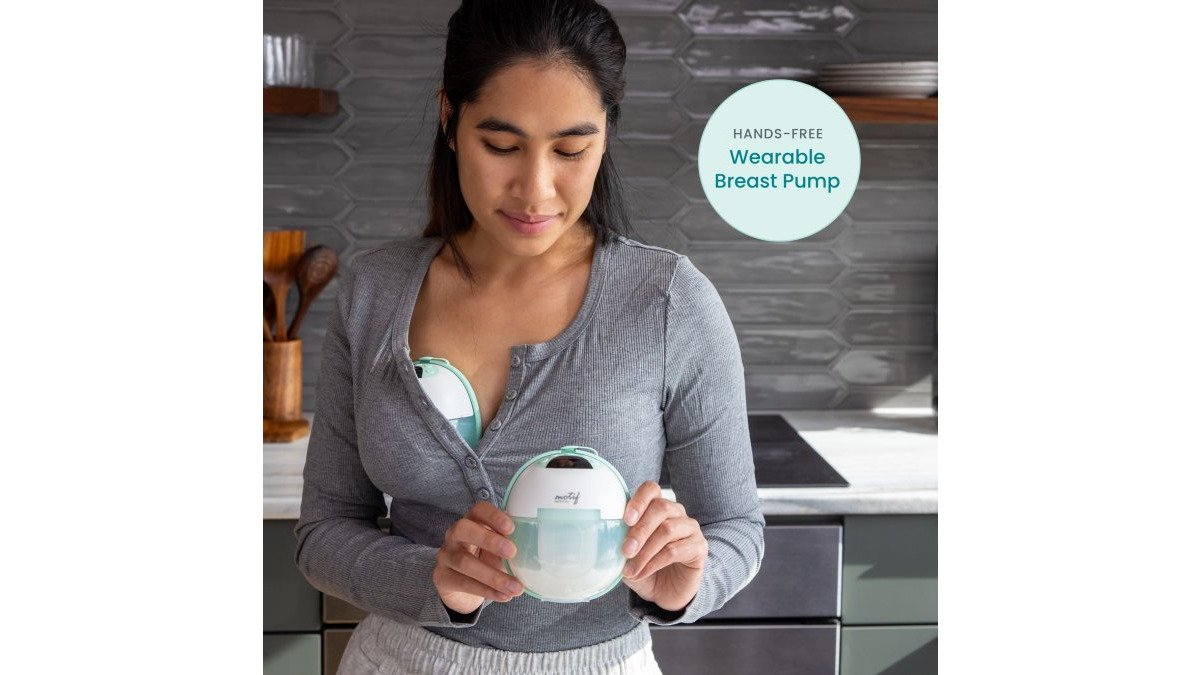
Feeding and holding. Use pillows or a nursing support to bring the baby to you instead of leaning forward. A maternity back support can reduce strain on your core while you sit for feedings. If you have Tricare insurance, General Home Medical Supply can get all the authorization from your insurance and ship a hands-free breast pump and maternity back support to your home at no charge, with free shipping.
Stairs and car seats. Take stairs one step at a time and use the railing. When lifting a car seat, keep it close to your body and avoid twisting. If it feels like too much, ask for help.
Keep a small pillow within reach at all times. It doubles as a splint for coughs and a cushion between your belly and the seatbelt in the car.
Abdominal Binder After C-Section: Support That Helps You Move
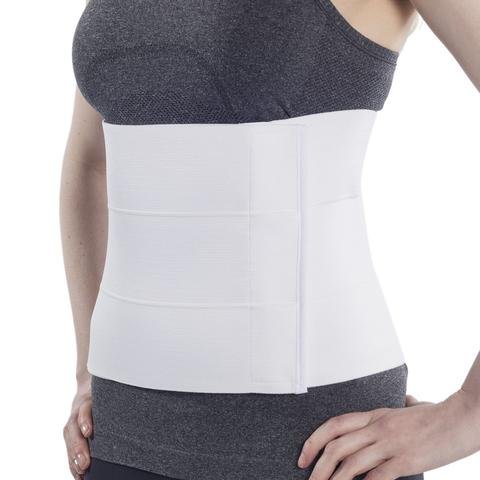
An abdominal binder is a wide, stretchy wrap you wear around your middle. It supports your core and can make moving, coughing, and standing feel steadier.
Many people find a binder helps them get around with less pulling on the incision. It does not heal the wound, but it can ease the ache while you move.
Fit matters. A binder should feel snug but never tight enough to press on the incision or make it hard to breathe. Wear it for the stretches your care team suggests, not around the clock.
If you have Tricare insurance, General Home Medical Supply can handle the authorization and ship a maternity back support and abdominal binder straight to your home. Shipping is free, and there is often no charge to you.
C-Section Scar Pain: Massage, Desensitization, and When to Start
Scar pain is the pulling, tingling, or sharp feeling you get around the healed incision line. It is common and usually improves with gentle care.
Wait until your doctor clears you before touching the scar directly. Once the wound is fully closed, you can start:
- Scar massage: press and move the scar gently with clean fingers to keep tissue soft.
- Desensitization: lightly rub different textures over the area to calm sensitivity.
- Mobility work: gentle stretching and, later, core and pelvic floor exercises.
Do not massage an open or scabbing wound. Stop if you feel sharp pain or see redness.
As the American College of Obstetricians and Gynecologists advises, recovery guidance should come from your own care team, since every birth and healing path is different.
Red Flags: When Incision Pain Needs a Doctor’s Attention
Some symptoms mean you should call your doctor right away. Do not wait to see if they pass.
Watch for:
- Fever
- Redness or warmth spreading from the incision
- Thick, foul-smelling, or green discharge
- The wound opening or pulling apart
- Pain that gets worse instead of better
- A hard, hot lump near the scar
These can point to an infection or another problem that needs care. Trust your gut. If something feels wrong, call.
A fever with a red, hot incision is not normal recovery pain. Call your doctor the same day. Delaying treatment can let an infection get worse.
Frequently Asked Questions
How do you treat C-section incision pain at home?
Start with rest and gentle movement. Support your abdomen with a pillow when you cough, sneeze, or laugh. Apply ice packs wrapped in a cloth for 15 to 20 minutes several times a day during the first 48 hours, then switch to a heating pad on low if it feels soothing. Wear loose clothing that does not rub the incision. Over-the-counter pain relievers can help, but check with your doctor about which ones are safe while breastfeeding. Keep the area clean and dry, and call your doctor if pain gets worse instead of better.
How long does C-section incision pain last?
Most people notice the sharpest pain in the first three to five days after surgery. Soreness and tenderness usually ease over two to four weeks, though some sensitivity can linger for a few months. The incision itself typically closes within two to three weeks. If pain suddenly increases, the area becomes hot, or you see redness or discharge, contact your doctor. Recovery timelines vary, so follow your care team’s guidance for your situation.
Can I use an abdominal binder after a C-section for pain relief?
Many people find an abdominal binder helpful after a C-section. It supports your core, reduces pulling on the incision when you move, and can make coughing or standing up feel more comfortable. Wear it snug but not tight, and take it off for sleep unless your doctor says otherwise. If you have Tricare insurance, General Home Medical Supply can handle the authorization and ship a maternity back support and breast pump to your home at no charge, with free shipping.
When should I call my doctor about C-section incision pain?
Call your doctor if pain gets worse after the first few days, if the incision opens, or if you notice pus, a bad smell, or increasing redness. A fever, chills, or pain that spreads beyond the incision are also reasons to call. These can be signs of infection or another complication. Trust your instincts: if something feels wrong, reach out. Early treatment is easier than waiting. Your care team would rather answer a question than have you struggle alone.
Recovering from a C-section takes patience, and getting the right support gear should not add stress. If you have Tricare insurance, General Home Medical Supply handles the prescription coordination and insurance authorization for you, then ships your breast pump and maternity back support directly to your home. Shipping is free, and there is often no cost to you. Check your insurance coverage with us and let us take the paperwork off your plate.