
Last Updated: November 3, 2026
Quick Summary
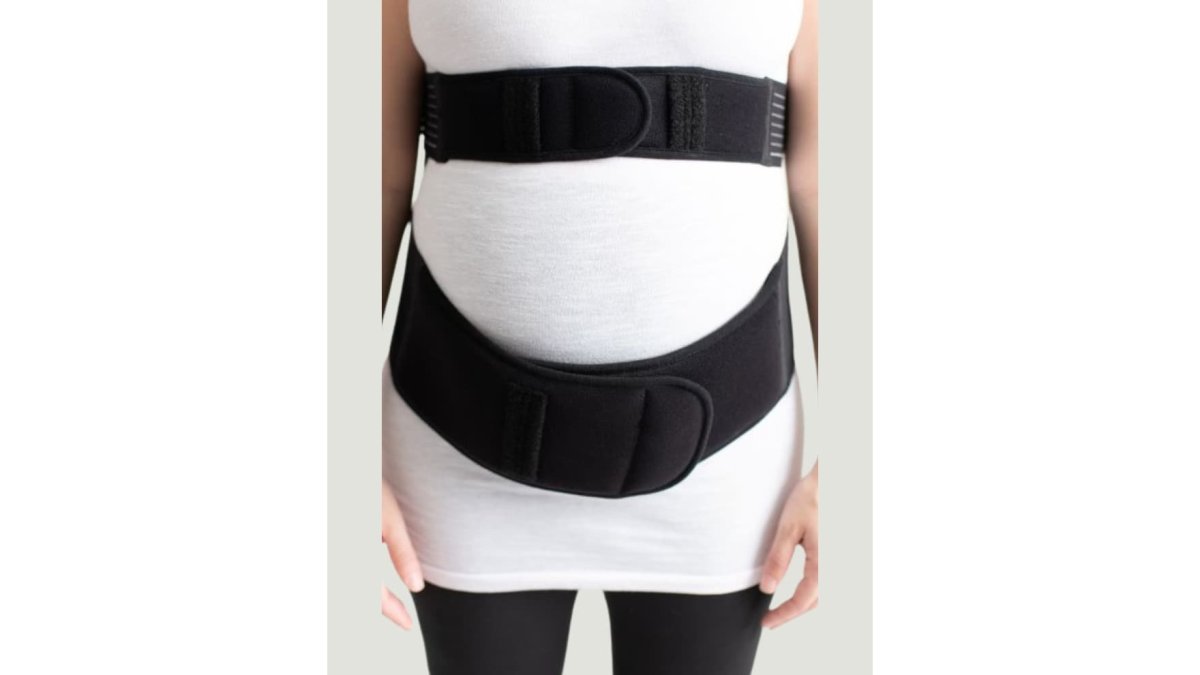
Insurance sometimes covers pregnancy support belts when they qualify as durable medical equipment, which requires a written prescription, documented medical need, and an in-network supplier. Coverage is never automatic, so verify your benefits with your plan before you order. If you have TRICARE, we handle all insurance authorization and ship your breast pump and maternity back support to your home at no charge, with free shipping.
- A retail belly band is a comfort item, but a prescribed maternity support belt can count as a medical device.
- Call the member services number on your insurance card to confirm coverage, prior authorization, and in-network suppliers.
- Ask your provider for a written order naming the product, the medical reason, and your diagnosis code.
- Wait for authorization before the item ships so you are not left holding a denied bill.
- TRICARE covers breast pumps, and maternity support items can be covered when prescribed.
Table of Contents
- Do Pregnancy Support Belts Count as Durable Medical Equipment?
- How to Verify Your Benefits Before You Order
- Getting a Free Belly Band Through Insurance With a Prescription
- Lumbar Support Pregnancy Insurance Coverage Explained
- Can You Get a Free Belly Band Through Medicaid?
- What to Know About Aeroflow Belly Band Insurance and Other Suppliers
- What to Do When Your Insurance Denies the Claim
- Check Your TRICARE Coverage for a Breast Pump and Maternity Back Support
- Frequently Asked Questions
Do Pregnancy Support Belts Count as Durable Medical Equipment?
Sometimes they do. A pregnancy support belt can qualify as durable medical equipment (DME) when it is prescribed for a medical need, fits properly, and lasts through repeated use.
At General Home Medical Supply, expecting mothers in their second and third trimester ask us this constantly.
Durable medical equipment is equipment that serves a medical purpose, is not useful to someone without an illness or injury, and is built to withstand repeated use.
What Separates a Covered Device From a General Belly Band
The difference comes down to purpose and paperwork. A retail belly band bought off a shelf is a comfort item.
Here is what plans typically look for:
- A written prescription from your provider
- A note explaining why you need it, such as back pain or pelvic support needs
- A supplier that works with your plan
A plain compression band sold as fashion wear usually fails that test. A lumbar support brace prescribed for pregnancy-related back pain often passes it.
That distinction decides whether you pay out of pocket or your plan pays. For the broader coverage picture, see our guide on whether a maternity support belt is covered by insurance.
How to Verify Your Benefits Before You Order
Call your insurer before you order anything, that single step prevents most surprise bills. Benefits verification confirms what your plan covers, what it pays, and what you would owe.
Start with the member services number on the back of your insurance card. Ask three questions:
- Does my plan cover maternity support belts as DME?
- Do I need prior authorization?
- Which suppliers are in-network for my plan?
Write down the answers and the name of the person you spoke with. If a claim is later denied, that record helps.

Information Your Insurer Will Ask For
Have these details ready before you call:
- Your member ID and group number
- Your provider’s name and contact information
- The product your provider prescribed
Some plans also want the diagnosis code your provider will use. Ask your provider’s office for it. For a full walkthrough of the verification steps, see our guide on how to verify insurance medical coverage.
Getting a Free Belly Band Through Insurance With a Prescription
A free belly band through insurance is possible when three things line up: a valid written prescription, a covered DME benefit, and an in-network supplier that bills your plan. Miss one and you will likely pay out of pocket. The prescription is the step patients most often get wrong, because a verbal okay from a doctor is not a prescription.
Here is the sequence that works, in order:
- Ask your provider for a written order. It should name the product type (maternity support belt or maternity back support), state the medical reason (for example, pregnancy-related lower back pain or pelvic girdle pain), and include your diagnosis code. Ask which ICD-10 code they will use and write it down.
- Confirm your plan covers DME of this type. Ask member services whether maternity support belts are a covered DME benefit, whether prior authorization is required, and whether the supplier must be in-network.
- Confirm the supplier is in-network for your specific plan. In-network status is plan-specific, not company-wide; a supplier in-network for one member may be out-of-network for another on the same insurer.
- Send the prescription to the supplier before anything ships. The supplier uses it to file prior authorization if your plan requires it.
- Wait for authorization before the item ships. If a supplier ships before authorization and the claim is later denied, you can end up holding the bill.
The Documentation Your Plan Will Likely Want
Plans that cover maternity support belts as DME often ask for some combination of the following. Requirements vary by plan, so treat this as a checklist to confirm, not a guarantee:
- A written prescription with the product type and the medical reason
- A diagnosis code tied to a pregnancy-related condition, such as lower back pain or pelvic girdle pain
- A brief note from your provider explaining why the device is medically necessary
Some plans also ask for a billing code (HCPCS) for the product. Ask your supplier which code they will bill and confirm with your plan that the code is covered, the same physical belt can be billed under different codes, and only one may be a covered benefit on your plan.
Watch out: a prescription that says only “belly band” or “support garment” often fails a DME review because it does not establish medical necessity. Ask your provider to name the condition and the device.
Why the Order of Steps Matters
The order protects you. Order first and chase paperwork later, and you carry the risk of a denied claim. Confirm benefits and authorization first, and the supplier carries the filing work while you know what you will owe before anything ships.
Our team handles prescription coordination and insurance authorization for you, so you are not the one chasing paperwork between your doctor and your plan. For the detailed process, see our article on how to get a pregnancy belly support belt with a prescription.
Lumbar Support Pregnancy Insurance Coverage Explained
Lumbar support pregnancy insurance coverage follows the same rules as any other DME claim.
Medical necessity is the deciding factor. Your provider has to explain why you need the brace, not just that you want one.
A common mistake is ordering a back brace before the prescription reaches the supplier.
What most guides miss is that the same product can be covered under one plan and excluded under another.
Check Your Insurance Coverage →
Can You Get a Free Belly Band Through Medicaid?
Sometimes. A free belly band through Medicaid depends on your state program and your specific managed care plan.
Some state programs treat maternity support belts as covered DME when a provider prescribes them. Others limit coverage or require prior authorization.
Call the member services number on your Medicaid card and ask directly.
Watch out: assuming Medicaid works the same as a commercial plan leads to denied claims, the rules, supplier networks, and authorization steps are all different.
What to Know About Aeroflow Belly Band Insurance and Other Suppliers
Aeroflow belly band insurance claims work the same way as any other supplier’s.
But supplier choice matters more than most people realize. Ask any supplier three things before you commit:
- Are you in-network with my specific plan?
- Do you handle prior authorization for me?
- What happens if my claim is denied after the item ships?
That last question separates good suppliers from risky ones. A supplier that ships first and asks questions later can leave you with a bill.
Our team handles authorization and coordinates the prescription with your provider, so you are not the messenger between three offices.
What to Do When Your Insurance Denies the Claim
Do not pay the bill yet. A denial is often a paperwork problem, not a final answer. Many denials happen because the billing code was wrong, the prescription was missing a diagnosis code, the supplier was out of network, or prior authorization was never filed. Each of those is fixable.
Step 1: Get the Denial in Writing and Read the Reason Code
Call your plan and ask for the denial in writing, including the reason code and the appeal deadline. The reason code tells you which problem to fix. Common categories include:
- Not a covered benefit, the plan excludes this DME category
- Not medically necessary, the documentation did not establish need
- Missing prior authorization, the supplier shipped before filing
Step 2: Fix the Underlying Problem Before You Appeal
Match your fix to the reason code:
- If the reason is medical necessity, ask your provider to rewrite the note to name the condition, the symptoms, and why the device is needed.
- If the reason is a missing authorization, ask your supplier whether they can file a retroactive authorization. Some plans allow it; some do not.
- If the reason is an out-of-network supplier, ask your plan for an in-network DME supplier that carries maternity support products, or ask whether a network gap exception applies.
Step 3: File the Internal Appeal Within the Deadline
Most plans allow an internal appeal first, then an external review if the internal appeal is denied. The deadline is stated in your plan documents and on the denial letter. File in writing, include the corrected documentation, keep copies of everything, and ask your provider’s office to send supporting notes directly to the plan if required.
Step 4: Ask for External Review if the Internal Appeal Fails
If the internal appeal is denied, your plan documents explain how to request an external review by an independent party; the process and deadline are set by your plan and by applicable federal and state rules. Read the denial letter carefully, because the external review window is often shorter than the internal appeal window.
Step 5: Consider Your Alternatives
If the appeal path is exhausted or too slow for your pregnancy timeline, you have options:
- Ask your plan whether a different in-network DME supplier carries a covered maternity support product.
- Ask your provider whether a different but covered DME product would meet the same medical need.
- Ask your plan whether a network gap exception or single-case agreement applies.
Watch out: paying the bill before you appeal can be treated as accepting the denial. Confirm with your plan whether payment waives your appeal rights before you pay anything.
For a full walkthrough of the appeal process, see our step-by-step guide on what happens if insurance denies your claim.
Check Your TRICARE Coverage for a Breast Pump and Maternity Back Support
TRICARE covers breast pumps for expecting and new mothers, and maternity support items can be covered when prescribed.
If you have TRICARE, General Home Medical Supply can handle the insurance authorization for you and ship the breast pump and maternity back support to your home.
That means:
- We coordinate the prescription with your provider
- We handle the insurance authorization
- We ship to your door at no charge, with free shipping
You do not have to call three offices and repeat your story. One team handles it. For the details of what your plan includes, read our guide on TRICARE breast pump benefits and what coverage includes.
| Step | Who Handles It | What You Do |
|---|---|---|
| Get a prescription | Your provider | Ask for a written order |
| Verify benefits | Our team | Share your insurance card |
| Prior authorization | Our team | Nothing, we file it |
| Shipping | Our team | Confirm your address |
| Delivery | Carrier | Receive at home, free shipping |
Frequently Asked Questions
Are pregnancy belts covered by insurance?
Some health plans cover pregnancy support belts when a provider prescribes them and the plan classifies the belt as durable medical equipment. Coverage varies by insurer and plan type, so benefits verification is the only way to confirm. Commercial plans, Medicaid, and TRICARE each handle maternity support differently. Ask your insurer whether maternity belts are a covered benefit, what documentation they require, and whether you must use an in-network supplier before you order.
Does insurance cover a pregnancy support belt with a prescription?
A prescription is often the deciding factor. Many plans require a provider recommendation that states medical necessity, along with the specific product and sizing. A prescription alone does not guarantee coverage, but without one most insurers will deny the claim. Ask your OB or midwife for a written prescription, then send it to your insurer or supplier for benefits verification before the item ships.
Can I get a pregnancy support belt and a hands-free breast pump through TRICARE?
TRICARE covers breast pumps for eligible beneficiaries, and maternity support items may be covered when prescribed and medically necessary. Rules and authorization steps depend on your specific TRICARE plan. General Home Medical Supply handles the insurance authorization for you and ships your breast pump and maternity back support to your home at no charge, with free shipping. Contact the team to start the coverage check.
What should I do if my insurance denies coverage for a maternity belt?
Request the denial in writing and ask for the specific reason and the appeal deadline. Common fixes include supplying a prescription that states medical necessity, correcting billing codes, or switching to an in-network supplier. You can file an appeal or ask your provider to submit additional documentation. A supplier that handles authorization can often resubmit the claim with the missing paperwork.
Getting a hands-free breast pump and maternity back support through TRICARE should not require you to become an expert in insurance billing. If you have TRICARE and need either item, we handle the authorization, coordinate with your provider, and ship everything to your home at no charge with free shipping. Get started with General Home Medical Supply and let us take the paperwork off your plate.
