

Table of Contents
- Understanding Your Explanation of Benefits and Denial Letter
- TRICARE Breast Pump Coverage: What You Need to Know
- Durable Medical Equipment Insurance Authorization Explained
- How to Write an Insurance Appeal Letter That Gets Results
- Internal Appeal vs. External Review: Your Rights and Deadlines
- Gathering Medical Records and Working With Your Provider
- Financial Assistance and Patient Advocate Resources
- How General Home Medical Supply Simplifies the Process
- Frequently Asked Questions
Last Updated: September 28, 2026
Understanding Your Explanation of Benefits and Denial Letter
If your insurance denies claim, read the explanation of benefits first. It is not a bill, it summarizes what your plan paid, what it did not, and why, including the denial code that tells you whether this is a paperwork or coverage problem.
The denial letter that follows is your roadmap. It names the service, the date, and the reason for the decision, the key to your next move.
At General Home Medical Supply, we see this constantly with maternity gear. A claim gets denied for a fixable reason, and the patient assumes the fight is over. It rarely is.
Common Denial Codes and What They Mean
Denial codes fall into a few buckets, each needing a different response.
- Coding error: A wrong digit or missing modifier. Easy to fix.
- Not medically necessary: The plan wants proof of need.
- Not covered: The service is excluded from your plan.
- Prior authorization missing: You needed approval first.
- Out-of-network: The provider is not in your plan’s network.
A coding error is the best case.
TRICARE Breast Pump Coverage: What You Need to Know
TRICARE covers breast pumps for expecting and new mothers, including hands-free pumps that meet the plan’s rules. The catch is the paperwork, not the coverage.
Here is what TRICARE breast pump coverage typically requires:
- A prescription from your provider
- A pump that fits the covered equipment category
- A supplier that works with TRICARE
- Order timing tied to your pregnancy or birth
Hands-Free Pump Options and Prescription Requirements
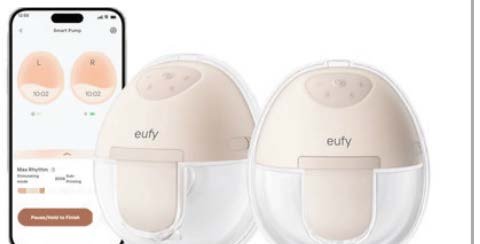
A hands-free pump is worn inside your bra without holding it, so you can pump while you work, cook, or care for your baby. TRICARE treats hands-free pumps like other covered breast pumps:
- You need a valid prescription.
- The pump must be medically appropriate.
- The supplier must be authorized.
Durable Medical Equipment Insurance Authorization Explained
Durable medical equipment insurance authorization is the approval your plan gives before it pays for certain equipment. Without it, your insurance denies claim even when the item is covered.
Here is how the process usually runs:
- Your provider sends a prescription.
- The supplier submits it to your plan.
- Your plan reviews the request.
- You get an approval or a denial.
- The supplier ships the item.
Ask your supplier for the authorization reference number once it is approved. If a claim is later denied, that number proves the plan already said yes.
How to Write an Insurance Appeal Letter That Gets Results
An appeal letter is a formal request asking your plan to reverse a denial. A good one is short, factual, and backed by your provider’s records. Here is the actual template.
The One-Page Structure That Works
Write it in this order:
- Your name, member ID, and claim number
- The date and service that was denied
- The reason given for the denial
- Why that reason is wrong
- What you want the plan to do
- A list of attached records
Keep it to one page if you can, and attach the denial letter, the prescription, and your provider’s notes. Reviewers process stacks of these; a clean one-page letter with labeled attachments gets read, while a five-page narrative gets skimmed.
Fill-In-The-Blank Appeal Letter Template
Copy this, replace the bracketed fields, and delete anything that does not apply.
Sample Language for Medical Necessity
If medical necessity is the stated reason, borrow this wording and fill in your details.
TRICARE-Specific Routing Details
TRICARE processes appeals differently depending on your plan and whether the claim ran through a regional contractor or a managed-care option. Two rules apply either way:
Check Your Insurance Coverage →
- Send it to the address or fax number printed on your denial letter, not to a general customer-service address. That document tells you exactly where the appeal must go.
- Send it trackable. Use certified mail with return receipt, or fax with a confirmation page. Keep a copy of everything you send and note the date.
What to Attach (Checklist)
- The denial letter (copy, not original)
- The prescription, with the pump type named specifically
- A letter of medical necessity from your provider
- Office notes from the visit where the item was prescribed
- The authorization reference number, if one was issued
- Any test results or records that support the need
Send copies, never originals. Keep a full set for yourself.
Internal Appeal vs. External Review: Your Rights and Deadlines
An internal appeal is a review by your own insurance company; an external review is by an independent third party. You have a right to both.
Do not wait until the last week to file. Plans can take weeks to process an appeal, and a missing document can push you past the deadline.
Gathering Medical Records and Working With Your Provider
Your provider’s office is your best ally in an appeal. They can send records, write a letter of medical necessity, and call the plan directly.
Ask for these documents:
- Office notes from the visit where the item was prescribed
- The prescription itself
- A letter of medical necessity
- Any test results that support the need
Financial Assistance and Patient Advocate Resources
If an appeal fails, you still have options, but the urgent question is what to do about the bill while the appeal is pending. Here is the order that protects you.
First: Stop the Clock on the Bill
A denied claim often turns into a bill from the provider. Do not pay it just to make it go away, and do not ignore it.
- Call the provider’s billing office and tell them the claim is under appeal. Ask them to place the account on hold and to pause any collections activity while the appeal is open.
- Ask for the hold in writing, a note in your account or an email confirmation. A verbal promise is easy to lose.
- Ask about a payment plan if a balance is owed regardless of the appeal. Most billing offices will set up an interest-free monthly arrangement rather than send an account to collections.
- Ask about charity care. Many hospital systems and large provider groups have financial assistance policies based on household income. You usually have to ask; it is rarely offered.
Patient Advocates: When to Hire One
A patient advocate is trained to help you navigate appeals and paperwork. Some are independent and charge a fee; others work for hospitals, employers, or nonprofits at no cost to you.
Handle it yourself when:
- The denial is a coding error or a missing prior authorization
- Your provider’s office is responsive and will send records quickly
- The appeal deadline is not imminent
Bring in an advocate when:
- The denial is a medical necessity decision and your provider is not writing a strong letter
- You have already lost one internal appeal
- The plan is asking for records you cannot get on your own
- You are dealing with a complex or high-dollar denial
Where to Complain When the Process Stalls
- Your plan’s member services department: The first stop for a status update or a missing document.
- Your state department of insurance: The office that handles complaints about insurers. It can pressure a plan that is ignoring deadlines. Find yours through your state government’s website.
- Your employer’s benefits administrator: If your coverage comes through a job, this office can sometimes escalate faster than you can.
- The plan’s external review process: If your internal appeal fails, most plans give you a right to an independent review. The denial letter will explain how to request it.
Manufacturer and Supplier Programs
Some pump makers run their own assistance or replacement programs, ask the manufacturer directly. And if your supplier handles authorization for you, ask what they do when a claim is denied; a good supplier reworks the authorization rather than leave you holding the bill.
Do not let a bill go to collections while you wait on an appeal. A collections mark can outlast the denial itself, and it is far harder to remove than it was to prevent.
How General Home Medical Supply Simplifies the Process
The hardest part of a denial is not the denial itself. It is the back-and-forth between your doctor, your plan, and the supplier. That is where General Home Medical Supply comes in.
We handle the whole chain for you:
- We get the prescription from your provider.
- We get all the authorization from your insurance.
- We ship the breast pump and maternity back support to your home.
- Shipping is free, and the items often arrive at no charge to you.
The right supplier removes the denial risk before it starts by getting authorization right the first time.
Frequently Asked Questions
Does TRICARE cover breast pumps and maternity support?
Yes, TRICARE covers breast pumps and maternity support items when they are medically necessary and prescribed by a TRICARE-authorized provider. Coverage includes hospital-grade rental pumps and certain personal-use pumps. Maternity back support and abdominal binders may also be covered under durable medical equipment benefits. General Home Medical Supply handles all insurance authorization and ships these items directly to your home at no charge, with free shipping.
What should I do if my insurance denies a medical claim?
First, review your denial letter and explanation of benefits to understand the reason. Then gather supporting medical records and a letter of medical necessity from your provider. You have the right to file an internal appeal, usually within 180 days of the denial. If the internal appeal fails, you can request an external review.
How long do I have to appeal an insurance denial?
For most health plans, you have 180 days from the date of the denial notice to file an internal appeal. If your plan denies the internal appeal, you generally have four months to request an external review. TRICARE follows similar timelines. Check your specific plan documents for exact deadlines, as they can vary. Acting quickly is important to protect your rights.
Can General Home Medical Supply help with insurance authorizations?
Yes, General Home Medical Supply specializes in obtaining all necessary authorizations from your insurance, including TRICARE. We coordinate prescriptions, handle billing complexities, and ship your breast pump and maternity back support directly to your home at no charge, with free shipping. Our team works to reduce out-of-pocket costs and simplify the process for you.