

Last Updated: October 23, 2026
Quick Summary
A used breast pump is only safe when it is a multiple-user, closed-system pump that has been fully sanitized, fitted with a new personal pumping kit, and checked for wear. Single-user pumps are intended for one user only, so sharing them is not recommended.
- Check the motor label for single-user, multiple-user, or hospital grade wording before accepting any pump.
- A closed-system pump has a physical barrier keeping milk out of the tubing and motor.
- Cleaning takes about 20 minutes across three stages: inspect, wash, and sanitize.
- Replace the breast shield, valve, membrane, connector, and collection bottle with new parts.
- TRICARE beneficiaries may qualify for a covered hands-free breast pump with free shipping.
Table of Contents
- Is It Safe to Use a Used Breast Pump? The Short Answer
- Single-User vs. Multiple-User Pumps: What the Label Tells You
- Is It Safe to Use Someone Else’s Breast Pump? Contamination Risks
- Closed-System Breast Pump vs. Open-System: Why the Design Decides
- How to Clean a Used Breast Pump: A Step-by-Step Checklist
- TRICARE Hands-Free Breast Pump Coverage and Insurance Options
- The Verdict: When a Used Pump Is Worth It and When to Walk Away
- Conclusion
- Frequently Asked Questions
Is It Safe to Use a Used Breast Pump? The Short Answer
No, not in most cases.
That distinction is the whole ballgame. Most parents asking “is it safe to use a used breast pump” are picturing a friend’s hand-me-down in a closet, not a rental-grade unit.
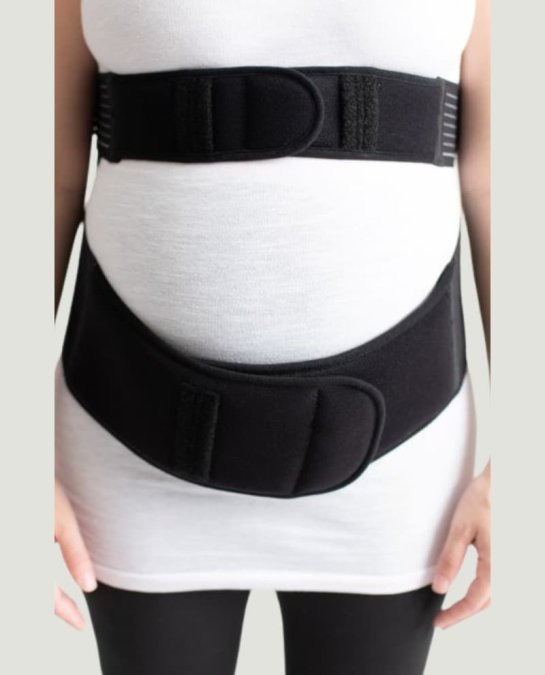
At General Home Medical Supply, we help TRICARE families get a hands-free breast pump and maternity back support covered, authorized, and delivered to the door at no charge, with free shipping.
The pump’s user classification matters more than its condition. A spotless single-user pump is still a single-user pump.
Single-User vs. Multiple-User Pumps: What the Label Tells You
The label on the pump motor tells you everything. A single-user pump is designed for one person only, while a multiple-user pump is built to be safely shared between users when the kit is replaced. But labels can be confusing, and marketing terms like “hospital grade” are not regulated. Here is a practical checklist to verify what you actually have.
Step-by-Step Label and Manual Check
- Locate the motor housing label. Look for explicit terms: “single user,” “personal use,” “multiple user,” or “hospital grade.” If the label is missing or worn, assume single-user.
- Open the manual to the intended-use section. The manufacturer’s instructions state the intended user classification. Search for phrases like “this pump is intended for single-patient use” or “multiple-patient use.”
- Check the warranty language. Single-user warranties typically void on resale or sharing. Multiple-user pumps often carry separate warranties for the motor and the personal kit.
- Examine the design for a physical barrier. A closed-system pump has a barrier (often a diaphragm or filter) between the milk collection kit and the motor. An open-system pump does not. This barrier is the key to safe sharing.
- Look for a removable personal kit. Multiple-user pumps are designed so that all parts that contact milk can be replaced between users. If the kit is not removable, it is single-user.
A common mistake is assuming “hospital grade” means multiple-user. It usually does, but the label is the authority, not the marketing. If you cannot find the label or manual, contact the manufacturer with the model number. Most manufacturers maintain online archives of user manuals and can confirm the classification.
Why the Label Matters More Than Condition
Even a spotless single-user pump is still a single-user pump. The FDA’s guidance is clear that single-user pumps are intended for one user only because milk can back up into the motor and tubing in ways that cannot be reliably cleaned. Multiple-user pumps are designed to prevent that backflow, but only when the personal kit is replaced. So the label tells you whether sharing is even possible, not just whether it is clean.
FDA guidance on breast pumps
If the label is unclear or missing, treat the pump as single-user. The risk of contamination is not worth the savings.
Is It Safe to Use Someone Else’s Breast Pump? Contamination Risks
Borrowing a pump from a friend or family member carries real risk if the pump is single-user. The danger is not the plastic shell. It is what traveled through the motor and tubing before you got it.
Bacteria, Viruses, and Milk Backflow
Breast milk can carry infectious particles. When milk backs up into the tubing or motor of an open-system pump, bacteria, viruses, mold, dust, and pet dander can collect in places you cannot reach with a wipe.
Those contaminants can then reach your milk supply. For a newborn, that is a health risk no parent should take on to save money.
Never accept a used pump with stained or cloudy tubing. That discoloration usually means milk exposure reached the motor, and it cannot be reliably cleaned.
Closed-System Breast Pump vs. Open-System: Why the Design Decides
A closed-system pump uses a physical barrier that keeps milk out of the tubing and motor.
That single design choice determines whether sharing is possible at all. Closed-system pumps can be shared safely once the personal kit is replaced.
If you are buying used, ask one question first: “Is this a closed system?” If the seller cannot answer, assume it is not.
How to Clean a Used Breast Pump: A Step-by-Step Checklist
Cleaning a used pump properly takes about 20 minutes and a few common supplies. How to clean a used breast pump comes down to three stages: inspect, wash, and sanitize. But before you clean, you need to know what to look for. This checklist translates general safety warnings into actionable checks.
Inspect the Pump Before You Clean It
Run this checklist before anything touches water:
- Confirm the label says multiple-user or closed-system (see previous section)
- Check tubing for milk, moisture, or cloudiness. Hold tubing up to a light; any opaque or discolored spots mean milk exposure.
- Inspect the breast shield and flange for cracks, chips, or sharp edges. Run a finger along the rim.
- Look at valves and membranes for tears, stretching, or discoloration. They should be pliable and clear.
- Test suction strength against the manual’s spec. If you do not have a gauge, listen for a consistent rhythm and feel for strong pull at the flange.
- Sniff the motor housing for sour or musty odors. A sour smell suggests milk or mold inside the motor.
- Confirm a new personal pumping kit is on hand. Never reuse another person’s kit.
If any of these checks fail, stop. Do not attempt to clean or use the pump. Contact the manufacturer or a lactation consultant for guidance.
Check Your Insurance Coverage →
Wash and Sanitize Per Manufacturer Instructions
Once the pump passes inspection, follow the manufacturer’s instructions for washing each removable part. In general:
- Disassemble all parts that contact milk (breast shield, valve, membrane, connector, collection bottle).
- Wash in warm soapy water, using a clean brush dedicated to pump parts. Do not wash in the sink without a basin, as bacteria can splash back.
- Rinse thoroughly under running water.
- Air dry on a clean rack or paper towel. Do not towel dry, as towels can transfer bacteria.
- Sanitize according to the manual. Most manufacturers recommend boiling, steam sterilization, or microwave bags for parts that can tolerate heat. Follow the time and temperature exactly.
Replace the breast shield, valve, membrane, connector, and collection bottle with new parts regardless of how clean the old ones look. These are the parts that contact milk and cannot be reliably disinfected if they are worn or damaged.
Photograph the motor label and tubing before you clean anything. If the pump turns out to be single-user, you will want that evidence when you decline it.
What to Do If the Pump Has Already Been Used
If you already own or borrowed a pump and are unsure of its history, take these steps:
- Stop using it immediately if it is single-user or open-system.
- Contact the manufacturer with the model number to confirm classification and get cleaning instructions.
- Consult a lactation consultant for advice on safe alternatives.
- Check your insurance coverage for a new pump. Many plans, including TRICARE, cover breast pumps. At General Home Medical Supply, we obtain all authorization from your insurance and ship the breast pump and maternity back support to your home at no charge, with free shipping.
If the pump is multiple-user and closed-system, you can proceed with the inspection and cleaning steps above, but only after replacing the personal kit with new parts.
TRICARE Hands-Free Breast Pump Coverage and Insurance Options
TRICARE hands-free breast pump coverage means you may not need a used pump at all. Covered beneficiaries can qualify for a breast pump through their benefit, and we handle the paperwork.
Here is what we do at General Home Medical Supply:
- We coordinate the prescription with your provider
- We obtain all authorization from your insurance
- We ship the breast pump and maternity back support to your home
- There is no charge to you, and shipping is free
That removes the two biggest reasons parents buy secondhand: cost and hassle. If you are weighing a hand-me-down against a covered pump, call us first. We will tell you plainly whether your plan qualifies.
TRICARE breast pump benefit information
| Situation | Used Pump Risk | Better Option |
|---|---|---|
| Single-user, open-system | High | Covered new pump |
| Single-user, closed-system | Moderate | Covered new pump |
| Multiple-user, closed-system | Low with new kit | Rental or covered pump |
| Unknown history | High | Walk away |
The Verdict: When a Used Pump Is Worth It and When to Walk Away
A used pump is worth considering only when it is a multiple-user, closed-system unit with a documented history, verified suction, and a brand-new personal kit.
Walk away when the label is unclear, the tubing shows milk exposure, the motor smells, or the seller cannot name the model.
Our honest opinion: if you have insurance coverage available, use it. The authorization work is ours, not yours, and the pump arrives new.
Conclusion
Sorting out pump safety, cleaning steps, and insurance paperwork at once is a lot to carry during pregnancy or postpartum. We built General Home Medical Supply to take that weight off, with prescription coordination, insurance authorization, and direct home delivery of your breast pump and maternity back support at no charge and with free shipping. Check your coverage with us and get the right equipment before your due date, not after.
Frequently Asked Questions
Is it safe to use someone else’s breast pump?
It depends on the pump’s design and history. A closed-system pump with a brand-new personal pumping kit can be a reasonable option, because the barrier keeps milk out of the motor and tubing. A single-user pump with an open system carries contamination risk, since milk and airborne particles can reach internal parts you cannot fully clean. Before using any pre-owned pump, check the manufacturer’s instructions on sharing and replace every part that touches milk.
Can I use my breast pump from 2 years ago?
Often yes, if it was stored clean and dry and the motor still pulls strong suction. Replace the breast shields, valves, membranes, and tubing before pumping again, since these parts wear out and can harbor bacteria. Run a test session to check suction and listen for unusual motor noise. If the pump was stored in a garage, attic, or other damp space, inspect for mold and dust before use.
Which breast pump parts can be shared safely?
Only parts that never contact milk or the pump’s internal air path can be shared, and even then they need cleaning. The motor unit of a closed-system pump can pass between users. Everything else, including the breast shield, flange, valve, membrane, connector, tubing, and collection bottle, should be a new personal pumping kit for each parent. Replacing those parts is what makes a secondhand pump usable.
How can I tell whether a breast pump is a closed-system model?
Look for a physical barrier between the flange and the motor, usually a membrane or backflow protector, and check the manual for the words closed system or hygienic barrier. Open-system pumps let air pass directly from the breast shield into the tubing and motor. If the manual is missing, search the model number on the manufacturer’s site. When you cannot confirm the design, treat the pump as open-system and single-user.
Can TRICARE cover a hands-free breast pump?
TRICARE covers breast pumps for beneficiaries who are pregnant or recently gave birth, and hands-free models can qualify when they meet the coverage criteria. A prescription and authorization are typically required, and the pump must come from an approved supplier. General Home Medical Supply handles the prescription coordination and insurance authorization for you, then ships the breast pump and maternity back support to your home at no charge, with free shipping.
