
Table of Contents
- Is a Postpartum Abdominal Binder Covered by Insurance?
- How to Verify Insurance Coverage for Medical Supplies
- Do You Need a Postpartum Binder Prescription?
- TRICARE Breast Pump Coverage and Maternity Support Benefits
- What to Do If Insurance Denies a Medical Claim
- Abdominal Binder vs. Belly Wrap vs. Postpartum Girdle
- How to Order a Postpartum Abdominal Binder Through Insurance
- Conclusion: Getting Your Postpartum Support Covered
- Frequently Asked Questions
Last Updated: October 12, 2026
Is a Postpartum Abdominal Binder Covered by Insurance?
Whether a postpartum abdominal binder is covered depends on your plan, your doctor’s order, and how the supplier bills the claim.
At General Home Medical Supply, we work with TRICARE families and other plans to get authorization, then ship maternity back support and breast pumps straight to your home.
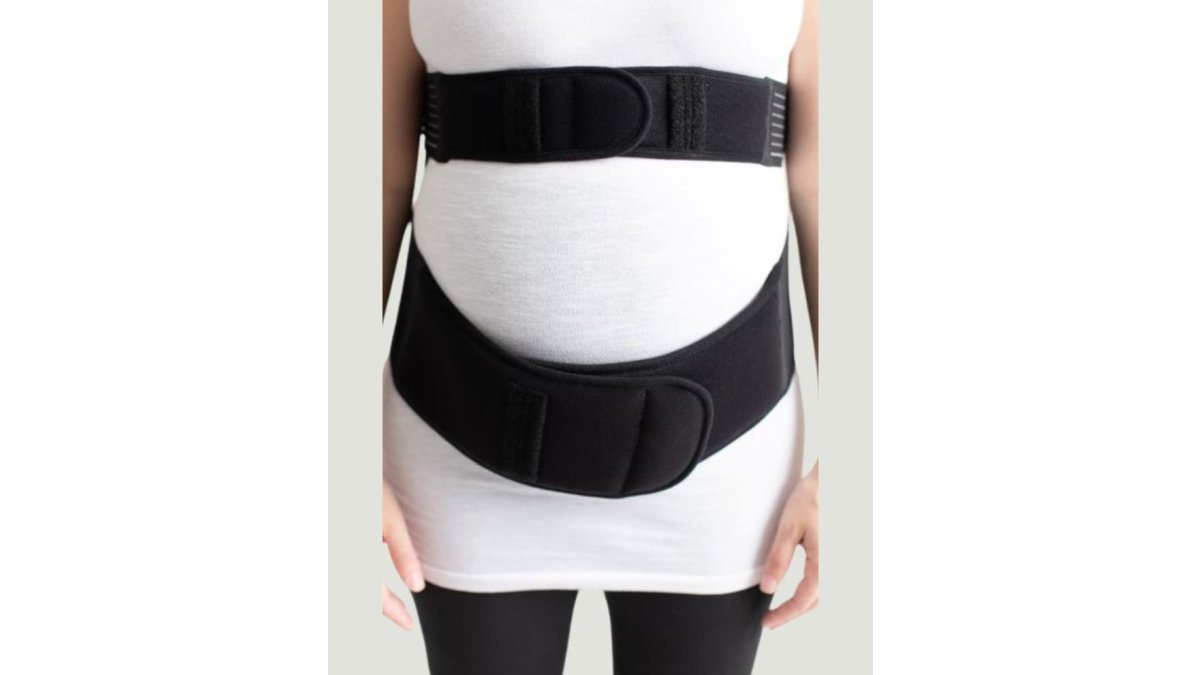
A postpartum abdominal binder is a wide compression band worn around the belly after birth.
Two things decide your coverage more than anything else:
- Your plan’s rules for medical supplies and equipment
- Whether your doctor documents a medical reason
Get those right, and most of the work is done. Get them wrong, and even a good plan can deny the claim.
What a Postpartum Abdominal Binder Actually Does
A binder applies gentle compression across the abdomen. After a C-section or vaginal birth, that pressure can help you feel steadier on your feet and make walking, lifting, and caring for your baby feel less taxing.
Common reasons a clinician recommends one:
- Support after cesarean birth, when the incision needs protection
- Relief from swelling and heaviness in the belly
- Help with posture and core comfort during recovery
A binder is not a weight-loss tool and will not repair muscle separation on its own. Think of it as support, not a fix, worn for short stretches during the day as your clinician sets the schedule.
Fit matters more than brand. A binder that is too tight can press on your incision or make it hard to breathe. Measure your waist as your clinician directs, and size up if you are between sizes.
How to Verify Insurance Coverage for Medical Supplies
Verification is the step most people rush, and it decides whether a claim gets paid. Confirm four things in writing: whether the item is a covered benefit, what documentation your plan requires, which suppliers are in-network, and whether prior authorization is needed before the item ships.
Start with your plan’s member services number on the back of your card. When you call, use this script so you get usable answers instead of a shrug:
- “Is a postpartum abdominal binder covered under my specific plan?”
- “Is it billed as durable medical equipment or as a medical supply?”
- “What documentation do you require from my clinician?”
- “Do I need prior authorization before the item ships?”
- “Which suppliers are in-network for this item?”
- “What is my out-of-pocket responsibility, if any?”
Write down the representative’s name, the call reference number, and the date, that note is your proof if a claim issue comes up later.
Why “Medical Necessity” Decides Most Claims
Medical necessity carries the weight. A plan covers an item when a clinician documents why you need it. Vague notes like “patient requests binder” get denied; clear notes tying the item to a diagnosis, surgical recovery, or documented back or lumbar condition get approved far more often.
A strong note typically includes:
- Your name and date of birth
- The specific item your clinician recommends
- The medical reason, such as post-cesarean recovery or lumbar support
Plan-Specific Rules You Should Expect
Coverage is not uniform. One plan may treat a binder as a covered medical supply with a doctor’s order while another excludes it as a convenience item. Some plans limit quantity, such as one binder per benefit period, and some require ordering after delivery while others allow it in advance with a clinician’s order. Ask your plan about timing and quantity limits so you are not surprised later.
Distinguish Coverage From Retail Promotions
A discount program, giveaway, or retail bundle is not insurance coverage. Those offers may reduce what you pay, but they do not create a benefit or satisfy a plan’s documentation requirements. If a supplier promises a “free” item, ask whether it is billed to your insurance or paid out of pocket.
FSA and HSA as a Backup
If your plan denies the claim, a flexible spending account or health savings account can often pay for an eligible binder.
The U.S. Department of Health and Human Services guide to health coverage explains how plans handle medical supplies and appeals. It is a useful starting point if you want the rules in plain terms.
Ask for the answer in writing when you can. A secure message or a mailed summary beats a phone call you cannot prove later.
Do You Need a Postpartum Binder Prescription?
A prescription or doctor’s order is usually required for insurance to pay, and most plans will not cover a binder bought off the shelf without one.
Here is what a strong order includes:
- Your name and date of birth
- The item your clinician recommends
- A short note on why you need it
A doctor’s recommendation is not the same as a prescription in every plan. Some want a formal prescription, others accept a signed order.
If you are on TRICARE, the rules follow the same idea.
Do not buy a binder first and try to get reimbursed later. Many plans deny claims for items bought before authorization. Get the order and the approval in place, then order.
TRICARE Breast Pump Coverage and Maternity Support Benefits
TRICARE covers breast pumps for new mothers, and the process runs through a supplier that handles authorization.
The same approach applies to maternity back support. If your clinician documents a need, we can pursue authorization and ship the item to you.
Here is how the process works with us:
- We confirm your TRICARE coverage and benefits
- We get all the authorization from your insurance
- We coordinate the prescription with your clinician
You should not have to chase three offices to get a pump and a support band.
Check Your Insurance Coverage →
With TRICARE, the supplier does the heavy lifting. You give us your plan details and your clinician’s order. We get the authorization and ship to your door.
What to Do If Insurance Denies a Medical Claim
A denial is not the end of the process. Many denials come from missing paperwork, not from a plan that refuses to cover the item.
Start with the denial letter. It states the reason and the deadline to appeal. Common reasons include:
- No prescription or doctor’s order on file
- The item was billed under the wrong code
- The supplier was out-of-network
Then take these steps:
- Call your plan and ask exactly what was missing.
- Get the missing document from your clinician.
- Ask the supplier to resubmit the claim.
- If it is denied again, file a formal appeal before the deadline.
The Centers for Medicare & Medicaid Services information on appeals walks through how appeals work for many plans. Keep copies of everything you send.
If the appeal fails, ask about paying with your FSA or HSA. You can also ask your supplier about self-pay options.
Abdominal Binder vs. Belly Wrap vs. Postpartum Girdle
These three terms get used as if they mean the same thing, but the difference can affect your claim.
| Item | What It Is | Typical Use | Insurance Note |
|---|---|---|---|
| Abdominal binder | Wide compression band with adjustable closure | Post-surgery and post-birth support | Often billed as a medical supply |
| Belly wrap | Softer, stretchy fabric wrap | Light everyday support | Usually a retail item |
| Postpartum girdle | Shaped garment with panels and closures | Compression with a fitted shape | Coverage varies by plan |
A postpartum girdle is a fitted compression garment, while a belly wrap is a softer fabric band.
Which one you need comes down to your clinician’s recommendation and your plan’s rules. A retail belly wrap rarely gets covered.
How to Order a Postpartum Abdominal Binder Through Insurance
Ordering through insurance is a paperwork process, not a shopping process. If you buy first and try to get reimbursed later, many plans deny the claim. The steps below walk through the workflow, including the documentation and billing details that trip people up.

Step 1: Verify Benefits Before Anything Else
Call your plan or let a supplier verify coverage for you. Confirm whether the binder is a covered benefit, what documentation is required, and whether prior authorization is needed. Get the representative’s name and a reference number.
Step 2: Obtain the Clinician’s Order
Ask your clinician for a written order that names the item and states the medical reason. A prescription and a signed order are not always the same thing to a plan, so ask which one yours requires. A complete order includes your name, date of birth, the item, the reason, the clinician’s signature, and the date.
Step 3: Submit for Prior Authorization
If your plan requires prior authorization, the supplier sends the order and supporting documentation to your plan and waits for approval. Do not let the item ship before approval is confirmed, most denials originate here, usually from a missing document or the wrong billing code.
Step 4: Confirm Billing Details and Your Cost
Ask how the item will be billed, as equipment or a medical supply, and what your out-of-pocket responsibility is, including whether your deductible applies. Get the answer before the item ships so there is no surprise bill.
Step 5: Receive the Item and Keep the Paperwork
Your item ships to your home. Keep the receipt, the order, and any authorization paperwork together. If a question comes up later, you will have the record.
What to Do If Coverage Is Denied
A denial is not the end. Start with the denial letter, which states the reason and the appeal deadline. Common reasons include no prescription on file, the wrong billing code, an out-of-network supplier, or a missing prior authorization.
- Call your plan and ask exactly what was missing.
- Get the missing document from your clinician.
- Ask the supplier to resubmit the claim.
- If it is denied again, file a formal appeal before the deadline.
The Centers for Medicare & Medicaid Services information on appeals walks through how appeals work for many plans. Keep copies of everything you send.
How We Handle This for TRICARE Families
If you are on TRICARE and need a hands-free breast pump, maternity back support, or a postpartum abdominal binder, we take the authorization off your plate. We confirm your benefits, get all the authorization from your insurance, coordinate the prescription with your clinician, and ship the breast pump and maternity back support to your home at no charge.
Families on TRICARE who want the authorization, billing, and delivery handled for them, with the breast pump and maternity back support shipped home at no charge.
Conclusion: Getting Your Postpartum Support Covered
The gap between “my plan should cover this” and “my plan paid for this” is almost always paperwork.
If you are on TRICARE and need a hands-free breast pump, maternity back support, or a postpartum abdominal binder, we can take the authorization off your plate.
Get started with General Home Medical Supply and let us handle the approvals while you focus on recovery.
Frequently Asked Questions
Does insurance cover a postpartum abdominal binder after a C-section?
Coverage depends on your specific health insurance plan and whether the binder is deemed medically necessary. Many plans cover abdominal binders after a C-section when a clinician provides a prescription and documentation supporting the medical need. To confirm your coverage, contact your insurance provider directly and ask about your maternity benefits, coverage eligibility, and whether a postpartum abdominal binder requires prior authorization. Your provider can explain exactly what your plan covers and what documentation is needed.
Do I need a prescription for an abdominal binder?
Many insurance plans require a prescription or a doctor’s recommendation before they will cover a postpartum abdominal binder. Even if your plan does not strictly require one, having a prescription strengthens your claim and helps demonstrate medical necessity. Ask your OB or midwife to write a prescription that includes the specific item, the reason it is needed, and your expected recovery timeline. This documentation makes the benefits verification and claim process smoother and reduces the chance of a denial.
Can I get a postpartum abdominal binder through TRICARE?
TRICARE covers medically necessary maternity support items, including abdominal binders, when prescribed by a TRICARE-authorized provider. TRICARE breast pump coverage follows similar rules and generally requires a prescription from your provider. To confirm your specific benefits, contact TRICARE or work with a supplier that handles insurance authorization for you. A supplier experienced with TRICARE can verify your coverage eligibility, coordinate the prescription, and ship the binder directly to your home.
What should I do if my insurance denies coverage for a postpartum binder?
If your claim is denied, request a written explanation of the denial reason from your insurance provider. Common reasons include missing documentation, lack of a prescription, or the item not meeting medical necessity criteria. You can file an appeal and submit additional documentation from your clinician. If the appeal fails, ask whether the item is eligible for reimbursement through your FSA or HSA. You can also contact your insurance provider to ask about in-network suppliers who may process the claim differently.