
Table of Contents
- How Maternity Support Belt Insurance Coverage Works
- TRICARE Hands-Free Breast Pump and Maternity Support Benefits
- Getting a Maternity Belt Prescription From Your Provider
- Insurance Authorization for Maternity Support: A Step-by-Step Workflow
- Pregnancy Back Brace Coverage: What Plans Typically Pay For
- Pregnancy Support Belts vs. Postpartum Wraps: Key Differences
- Denials, Appeals, and Alternatives for Maternity Support Coverage
- Frequently Asked Questions
Last Updated: October 8, 2026
How Maternity Support Belt Insurance Coverage Works
Maternity support belt insurance coverage depends on whether your plan treats the garment as medically necessary durable medical equipment rather than a comfort item. At General Home Medical Supply, we handle prescription coordination, insurance authorization, and billing so patients can focus on their pregnancy instead of paperwork.
Medical necessity is the standard insurers apply when deciding whether a maternity support garment qualifies for reimbursement.
Medical Necessity and Why Insurers Ask for It
Insurers ask for medical necessity because maternity support garments sit in a gray zone. The same belly band can be sold as a comfort accessory or prescribed as a pregnancy support belt for a diagnosed condition, and plans pay for the second use case, not the first.
A common mistake is assuming a note that says “patient requests maternity belt” will clear review. It usually will not. Reviewers look for a diagnosis, a description of symptoms, and a statement that the device is expected to help.
Submitting a claim without a diagnosis code or chart notes is the fastest route to a denial. Once denied, you may need to restart the authorization process, which can add weeks to your timeline.
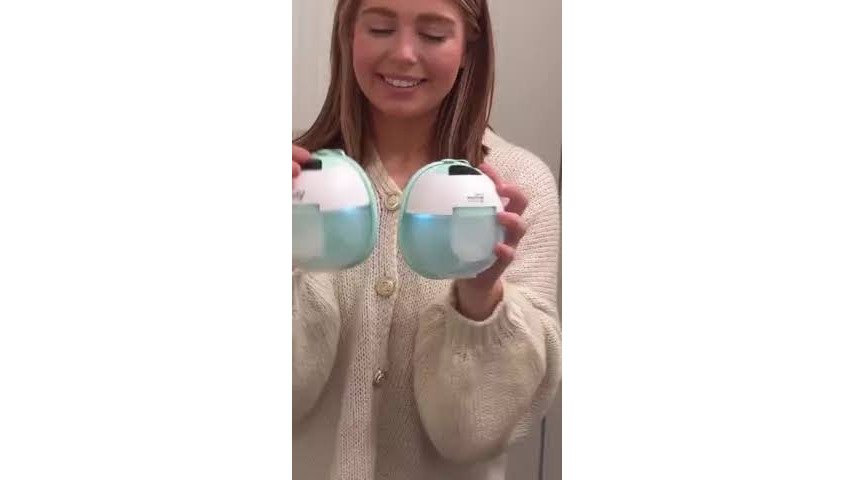
TRICARE Hands-Free Breast Pump and Maternity Support Benefits
TRICARE covers breast pumps for eligible beneficiaries under its maternity benefit, and the TRICARE maternity and newborn care information page explains what the program includes.
The practical detail most families miss is that TRICARE benefits differ by plan and by whether you use a military hospital or a civilian provider.
For TRICARE families, we obtain all the authorization from your insurance and ship the breast pump and maternity back support to your home at no charge, with shipping free.
TRICARE’s breast pump benefit and maternity support coverage are separate authorizations. A pump approval does not automatically approve a maternity support belt, so submit both requests.
Getting a Maternity Belt Prescription From Your Provider
A maternity belt prescription is a written order from a licensed healthcare provider stating that you need a pregnancy support belt for a diagnosed condition. Obstetricians, midwives, and physical therapists can all write one. The prescription should name the device type and include the diagnosis.
Ask for two documents at the same visit: the prescription itself and a letter of medical necessity. Providers are used to this request and can usually produce both within a few days.
What Your Letter of Medical Necessity Should Include
A complete letter of medical necessity covers five things: your diagnosis, your symptoms, how long you have had them, why a maternity support garment is the appropriate treatment, and the expected outcome. Vague letters slow review. Specific letters move.
- Diagnosis code and plain-language diagnosis
- Description of lower back pain, hip pressure, or pelvic pressure
- Trimester and how symptoms affect daily activity
- Why the provider recommends a pregnancy support belt over alternatives
- Whether the device is expected to be worn daily and for how long
Insurance Authorization for Maternity Support: A Step-by-Step Workflow
Insurance authorization for maternity support follows a predictable sequence, and knowing it in advance is the difference between a smooth approval and a month of phone calls. Here is the workflow we use.
- Confirm your plan type. Note whether you have a PPO, HMO, or TRICARE plan, and check whether durable medical equipment requires prior authorization.
- Check your benefit. Ask specifically about maternity support garments, belly bands, and pregnancy back brace coverage, since these may sit under different benefit categories.
- Get the prescription and letter of medical necessity from your provider, with the diagnosis included.
- Submit for prior authorization with the prescription, the letter, and your member details.
- Confirm the supplier. Some plans restrict which suppliers they will pay, so verify before ordering.
- Receive and keep your documentation. Save the explanation of benefits, the receipt, and any approval letter.
Steps two and five are where most people stall.
Pregnancy Back Brace Coverage: What Plans Typically Pay For
Pregnancy back brace coverage is not a single benefit, it is a category question. Plans typically sort maternity support garments into one of four buckets, and which bucket your plan uses determines everything about whether you pay out of pocket.
- Durable medical equipment (DME). The most favorable category. The belt is treated like a prescribed device, usually with prior authorization, a prescription, and chart notes documenting a diagnosis such as pregnancy-related lower back pain or pelvic girdle pain.
- Orthopedic or prosthetic benefit. Some plans file maternity belts under the same benefit line as back braces and other orthopedic supports, which may have a separate deductible or coinsurance tier.
- Maternity care benefit. A smaller number of plans fold support garments into the broader maternity benefit, which can mean coverage without a separate prior authorization, but also tighter limits on which products qualify.
- Excluded as a comfort item. Many plans exclude support garments entirely on the theory that they are convenience products rather than treatment devices. This is the category that produces the most denials.
Billing Codes and Documentation Reviewers Look For
There is no single billing code that works for every plan, and any article that implies otherwise is guessing.
When you call your plan, ask two specific questions: (1) which benefit category maternity support garments fall under, and (2) what documentation the plan requires for that category. The answers tell you whether you are looking at a DME prior authorization, an orthopedic benefit claim, or a likely denial.
Check Your Insurance Coverage →
How to Verify Your Specific Benefits
Rather than rely on a general coverage rate, verify your own plan. Call the member services number on the back of your card and ask about maternity support belts, pregnancy back braces, and belly bands by name, plans sometimes use different terms for the same product category.
For TRICARE families, we handle this verification directly. We obtain all the authorization from your insurance and ship the breast pump and maternity back support to your home at no charge, with shipping free.
Coverage is not universal, and the same belt can land in different benefit categories under different plans. Confirm your plan’s category and documentation requirements before you order.
Pregnancy Support Belts vs. Postpartum Wraps: Key Differences
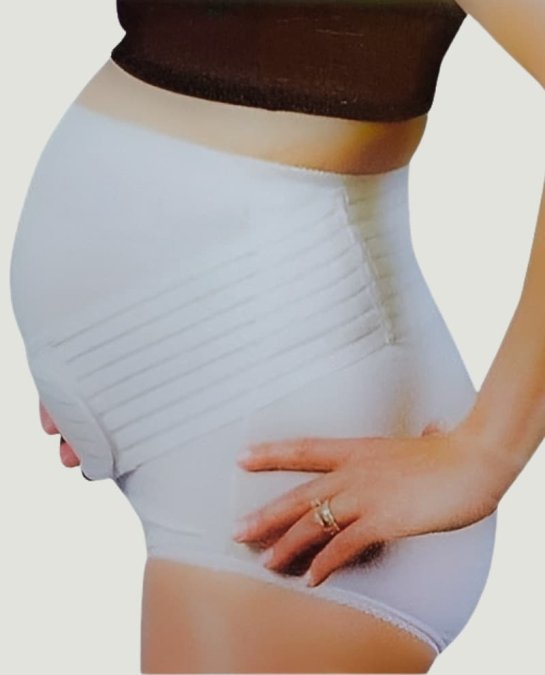
Pregnancy support belts and postpartum wraps serve different phases and are not interchangeable. A pregnancy support belt lifts the abdomen and supports the lower back during the second and third trimesters.
| Feature | Pregnancy Support Belt | Postpartum Wrap |
|---|---|---|
| When worn | Second and third trimester | After delivery |
| Primary purpose | Lift abdomen, relieve back pressure | Abdominal compression and support |
| Typical fit | Under or over clothing, adjustable | Snug around midsection |
| Insurance category | Durable medical equipment (with prescription) | Often comfort or recovery item |
Confusing the two is one of the most common reasons a claim gets denied. If your provider prescribed a pregnancy support belt, order a pregnancy support belt, not a postpartum wrap. The billing codes and the medical necessity language differ.
Denials, Appeals, and Alternatives for Maternity Support Coverage
A denial is not the end of the process. Most denials cite missing documentation, an excluded benefit, or a supplier restriction, and each has a fix. Start by reading the denial letter carefully; it usually states the reason and the appeal deadline.
- Missing documentation: resubmit with the letter of medical necessity and chart notes attached.
- Excluded benefit: ask whether the device qualifies under a different benefit category.
- Supplier restriction: switch to a supplier your plan recognizes.
- Medical necessity questioned: request a peer-to-peer review between your provider and the plan’s reviewer.
If the appeal fails, alternatives include paying with FSA or HSA funds, asking your provider about a lower-cost device, or checking whether a state or employer program offers assistance.
Coverage rules for maternity support and breast pumps shift by plan, and a denial usually comes down to paperwork rather than the device itself. For TRICARE families, we obtain all the authorization from your insurance and ship your breast pump and maternity back support at no charge, with free shipping.
Frequently Asked Questions
Does insurance cover a maternity support belt?
Many health insurance plans cover a maternity support belt when it is deemed medically necessary. This usually requires a prescription from your healthcare provider and documentation of a medical need, such as lower back pain or pelvic pressure. Coverage varies by plan, so it is important to verify your specific benefits. Some plans may require prior authorization before the belt is shipped. Working with a supplier that handles insurance authorization for maternity support can simplify the process and help you avoid unexpected out-of-pocket costs.
Does TRICARE cover maternity support belts and hands-free breast pumps?
TRICARE covers medically necessary maternity support belts and hands-free breast pumps for eligible beneficiaries. A prescription from your provider is typically required, along with documentation of medical necessity. For breast pumps, TRICARE generally covers one pump per pregnancy. Coverage details can vary based on your specific TRICARE plan and whether you use a network provider. General Home Medical Supply works directly with TRICARE to obtain all necessary authorizations and ships both your breast pump and maternity back support to your home at no charge, with free shipping.
Do I need a prescription for a maternity support belt?
Most insurance plans require a prescription or a letter of medical necessity from your healthcare provider to cover a maternity support belt. The prescription should include your diagnosis, the specific type of support garment recommended, and a statement explaining why it is medically necessary. Without this documentation, your claim may be denied. If you already have a prescription, a supplier like General Home Medical Supply can coordinate with your doctor and insurance company to handle the authorization and billing on your behalf.
How do I find out whether my plan covers a pregnancy support belt?
Start by calling the member services number on your insurance card. Ask specifically about coverage for maternity support garments, including whether a prescription and prior authorization are required. Have your plan details ready, such as your member ID and group number. You can also ask your healthcare provider’s office, as they often know which suppliers and plans work together. Alternatively, a medical supply company that specializes in insurance authorization for maternity support can verify your benefits for you and explain exactly what is covered.
Can I get a hands-free breast pump through TRICARE?
Yes, TRICARE covers hands-free breast pumps for eligible beneficiaries when medically necessary. You will need a prescription from your healthcare provider. TRICARE generally covers one breast pump per pregnancy, and the specific model depends on your plan and whether you use a network supplier. General Home Medical Supply handles the entire authorization process with TRICARE, coordinates with your provider, and ships the pump directly to your home at no charge to you, with free shipping.
How do I request insurance authorization for maternity support equipment?
The authorization process typically starts with a prescription from your provider. Your supplier then submits the prescription and medical necessity documentation to your insurance company for review. Once approved, the equipment is shipped to your home. To speed things up, make sure your provider includes a clear diagnosis and the specific product recommended. A supplier experienced in insurance authorization for maternity support can manage the paperwork, follow up with your insurer, and keep you informed at every step.
Can maternity support equipment be shipped to my home?
Yes, many insurance-approved suppliers ship maternity support belts, postpartum abdominal binders, and breast pumps directly to your home. General Home Medical Supply handles all insurance authorization and billing, then ships your equipment at no charge, with free shipping. This means you do not need to visit a store or pick up your items. Once your insurance approves the order, the products are sent to the address you provide, making it easier to get the support you need during pregnancy and postpartum recovery.
What if my insurance denies coverage for a maternity support belt?
If your claim is denied, you have the right to appeal. Start by requesting a written explanation of the denial from your insurance company. Then work with your healthcare provider to submit a stronger letter of medical necessity or additional documentation. Some denials are due to missing information, so resubmitting with complete details can resolve the issue. If your plan still will not cover the belt, you may be able to use FSA or HSA funds, or purchase it out of pocket. A supplier that handles appeals can guide you through the process.