
Table of Contents
- Your Postpartum Recovery Timeline: What Happens Week by Week
- Vaginal Birth vs. Cesarean Birth: How Recovery Differs
- How to Manage C-Section Incision Pain at Home
- Postpartum Abdominal Binder Benefits for First-Time Moms
- Tricare Breast Pump Coverage: Hands-Free Pumps and Maternity Support
- Pelvic Floor, Core, and a Safe Return to Exercise
- Warning Signs: When to Call Your Doctor During Postpartum Recovery
- Frequently Asked Questions
Last Updated: October 19, 2026
Your Postpartum Recovery Timeline: What Happens Week by Week
Postpartum recovery is the physical and emotional healing period that follows childbirth, and it unfolds in predictable stages over roughly six to eight weeks, though tissue remodeling, hormonal shifts, and pelvic floor recovery continue for months.
The first 24 hours set the tone. Expect heavy bleeding, uterine cramping that intensifies during breastfeeding, and pure exhaustion.

The First 24 Hours After Birth
Bleeding is heaviest now, and nurses will check your pad output and fundus (the top of your uterus) regularly, often every few hours, to confirm the uterus is contracting and bleeding is within range. Ice packs, sitz baths, and prescribed pain relief are standard. First-time moms often underestimate how much help they need in this window. Accept every offer.
- Vaginal birth: Expect perineal ice, peri bottle use with every trip to the bathroom, and stool softeners to ease the first bowel movement. Most people are walking within hours and eating normally by the next day.
- Cesarean birth: Expect a urinary catheter for the first several hours, gradual return of sensation, and a firm reminder not to lift anything heavier than your baby. Walking is encouraged but slower, and you will likely stay in the hospital two to four days.
Week 1: Peak Soreness and the Lochia Shift
Lochia, the postpartum discharge, starts bright red and heavy, then shifts toward pink or brown by the end of the first week. Perineal soreness peaks around days two through four for vaginal births, then eases.
For cesarean recovery, week one is about incision checks, scheduled pain medication, and short walks. Watch for redness, warmth, or discharge at the incision line and report any fever.
Weeks 2 Through 4: Energy Returns Slowly
Bleeding lightens to pink or yellow-white. Perineal stitches typically dissolve on their own within this window. Energy returns in fits and starts, a good day often precedes a crash day, which is normal. Short walks, naps, and steady nutrition help more than pushing through fatigue.
- Vaginal birth: Soreness fades, but pelvic floor heaviness or leaking may appear. This is common and treatable; ask about pelvic floor physical therapy.
- Cesarean birth: Incision pain eases, but numbness around the site can persist for weeks. Avoid lifting, twisting, and driving until your provider clears you.
Weeks 4 Through 6: Discharge Fades and Mood Stabilizes
Discharge tapers to light spotting or stops. Most people feel substantially better by week six, though fatigue lingers. A common mistake is treating the six-week mark as a finish line; tissue healing, core strength, and pelvic floor function continue well beyond it. Your postpartum visit is the right time to ask about exercise clearance, birth control, mood screening, and any lingering pain.
| Timeframe | Vaginal Birth | Cesarean Birth | What Helps |
|---|---|---|---|
| First 24 hours | Heavy bleeding, cramping, exhaustion | Catheter, incision care, slower walking | Ice packs, rest, early walking |
| Week 1 | Peak soreness, lochia, night sweats | Incision checks, scheduled pain relief | Sitz baths, hydration, help at home |
| Weeks 2-4 | Bleeding lightens, stitches dissolve | Incision pain eases, numbness persists | Short walks, naps, nutrition |
| Weeks 4-6 | Discharge fades, mood stabilizes | Restrictions lift gradually | Follow-up visit, gradual activity |
What Varies and When to Seek Care
Recovery speed varies with delivery type, tearing, blood loss, sleep, and support at home. A first-time mom with a straightforward vaginal birth may feel close to normal by week four; a cesarean birth with a toddler at home may take longer. Call your provider if bleeding increases instead of decreases, if pain worsens after improving, or if you feel unwell in a way you cannot name.
Vaginal Birth vs. Cesarean Birth: How Recovery Differs
Recovery from a cesarean birth is major abdominal surgery, and it demands more restriction than a vaginal birth. With a vaginal delivery, the focus is perineal soreness, stitches, and pelvic floor healing.
Stitches from a tear or episiotomy typically dissolve on their own. Keep the area clean and dry, change pads often, and use a peri bottle. For a cesarean, support your incision with a pillow when you cough or laugh, and keep the site dry.
How to Manage C-Section Incision Pain at Home
Managing C-section incision pain at home means combining scheduled pain relief, careful movement, and daily wound checks. Take medication as prescribed before the pain escalates, and move in short, deliberate steps rather than twisting.
Daily Incision Care Steps
- Wash hands before touching the incision.
- Clean gently with mild soap and water, then pat dry.
- Check for redness, swelling, warmth, or discharge.
- Wear loose clothing that does not rub the site.
- Avoid lifting anything heavier than your baby.
Pain Relief and Comfort Measures
Alternate prescribed medications on schedule, use a pillow for splinting, and keep everything you need within arm’s reach. A postpartum abdominal binder can add support when you move.
Skipping pain medication to “tough it out” usually backfires. Uncontrolled pain keeps you from walking and deep breathing, which raises the risk of clots and slows healing.
Postpartum Abdominal Binder Benefits for First-Time Moms
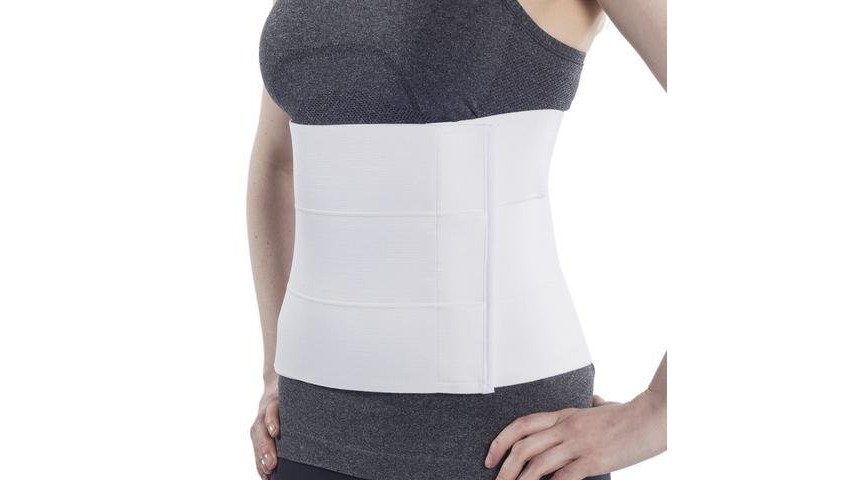
Postpartum abdominal binder benefits center on support and comfort, not weight loss. A binder wraps the abdomen to steady the core after a cesarean or a vaginal birth, which many first-time moms find makes standing, walking, and coughing more manageable.
Wear it for short stretches, remove it for sleep, and stop if it causes pressure or numbness. Ask your provider whether a binder suits your situation.
Tricare Breast Pump Coverage: Hands-Free Pumps and Maternity Support
Tricare breast pump coverage can include a hands-free pump when it is prescribed and obtained through an authorized supplier.
Check Your Insurance Coverage →
This is where General Home Medical Supply does the heavy lifting. We handle all the authorization from your insurance, coordinate with your provider, and ship your breast pump and maternity back support to your home at no charge, with free shipping.
How the Authorization and Delivery Process Works
- Share your insurance details and prescription with our team.
- We verify eligibility and submit the authorization.
- We confirm the products match what your provider prescribed.
- We ship the pump and back support to your door, free.
Start the authorization during your third trimester. Getting the paperwork moving before your due date means the equipment is ready when you come home, not weeks later.
Pelvic Floor, Core, and a Safe Return to Exercise
Safe exercise after birth starts with breathing and pelvic floor awareness, not crunches. Begin with gentle diaphragmatic breathing and pelvic floor contractions once cleared, then add short walks.
Pelvic floor physical therapy is worth asking about. Many new mothers deal with leaking or heaviness and assume it is permanent. It usually is not, and a therapist can guide gradual activity.
Warning Signs: When to Call Your Doctor During Postpartum Recovery
Most postpartum symptoms are expected. A smaller set are red flags that need urgent attention, and first-time moms are often the first to notice them. Use this checklist as a baseline, and trust your instincts, if something feels wrong, call. The unique angle here is separating “call your provider today” from “call 911 or go to the emergency room now,” because the two require different responses.
Call 911 or Go to the Emergency Room Now
- Chest pain, shortness of breath, or a racing heart, possible clot or cardiac emergency.
- Sudden swelling or pain in one leg, especially the calf, possible deep vein thrombosis.
- Seizure, severe headache that will not ease, or vision changes, possible postpartum preeclampsia, which can appear up to six weeks after birth.
- Thoughts of harming yourself or your baby, or feeling you cannot go on, call or text the Suicide & Crisis Lifeline at 988 or go to the nearest emergency department.
- Heavy bleeding that soaks a pad in an hour or passes clots larger than a golf ball, possible hemorrhage.
Call Your Provider the Same Day
- Fever of 100.4°F or higher.
- Worsening incision pain, redness, warmth, or discharge at a cesarean site.
- Foul-smelling discharge or pelvic pain that worsens instead of improves.
- Pain, redness, or a hard, warm area on one breast with flu-like symptoms, possible mastitis.
- Calf pain, swelling, or warmth in one leg.
Emotional Warning Signs Deserve Equal Weight
Postpartum depression and postpartum anxiety are common and treatable. Warning signs include sadness that does not lift, loss of interest, intrusive scary thoughts, trouble bonding, or feeling numb.
Do not wait for your six-week visit to report a red flag. Postpartum complications can escalate quickly, and early treatment is almost always simpler than late treatment.
The most useful skill in postpartum recovery is knowing your baseline and flagging changes early. Keep this checklist where you can find it, share it with your partner or support person, and call when something feels wrong.
If you have Tricare insurance and need a hands-free breast pump or maternity back support, we handle all the authorization from your insurance and ship both to your home at no charge, with free shipping.
Frequently Asked Questions
What are the most important things to prioritize during postpartum recovery?
Rest, hydration, and nutrition top the list. The 5-5-5 rule gives you a simple framework: five days in bed, five days on the bed, and five days around the bed. Accept help from your support system, attend your follow-up appointment, and watch for warning signs like heavy bleeding or fever. If you have a hands-free breast pump and maternity back support ready before birth, those recovery essentials remove daily friction so you can focus on healing and feeding your newborn.
How can I manage c-section incision pain at home safely?
Keep the incision clean and dry, follow your doctor’s instructions for dressing changes, and take prescribed or over-the-counter pain relief as directed. Support your abdomen with a pillow when you cough or laugh, and avoid lifting anything heavier than your baby. A postpartum abdominal binder can reduce strain around the incision. Call your doctor if pain worsens, redness spreads, or you notice discharge, fever, or opening at the incision site.
Does insurance cover breast pumps and maternity support gear?
Many plans, including Tricare, cover breast pumps and maternity support items when they are medically necessary and ordered through an authorized supplier. Coverage depends on your specific plan and documentation. General Home Medical Supply handles the prescription coordination and insurance authorization for you, then ships your breast pump and maternity back support to your home at no charge, with free shipping. Check your coverage before your due date so equipment arrives when you need it.
When should I call my doctor during the postpartum period?
Call your doctor for heavy bleeding that soaks a pad in an hour, fever of 100.4°F or higher, worsening abdominal pain, foul-smelling discharge, redness or opening at a C-section incision, calf pain or swelling, chest pain, or shortness of breath. Also reach out for signs of postpartum depression such as persistent sadness, anxiety, or trouble bonding with your baby. Trust your instincts: if something feels wrong, call. Early help prevents complications.
How do I get a hands-free breast pump through Tricare?
Tricare covers breast pumps for eligible beneficiaries, and hands-free models may be covered when medically necessary. You need a prescription from your provider and an authorized supplier. General Home Medical Supply obtains all authorization from your insurance and ships the breast pump and maternity back support directly to your home at no charge, with free shipping. Start the process in your second or third trimester so your pump is ready before your due date.
What are the signs of postpartum complications I should watch for?
Watch for heavy bleeding, fever, chills, worsening pain, foul-smelling discharge, incision redness or separation, painful urination, calf swelling or pain, chest pain, and shortness of breath. Emotional warning signs include persistent sadness, hopelessness, or intrusive thoughts. Postpartum depression and anxiety are common and treatable. Contact your doctor promptly if any of these appear. Keep your follow-up appointment and know your provider’s after-hours line before you give birth.
Recovery is not a race, and you do not have to manage the logistics alone. If you have Tricare and need a hands-free breast pump or maternity back support, General Home Medical Supply handles all the authorization from your insurance and ships your equipment to your home at no charge, with free shipping. Check your insurance coverage with us today and let our team take the paperwork off your plate.