
Last Updated: November 17, 2026
Quick Summary
A pregnancy support belt for walking is worn low around the hips and under the belly to steady the pelvis and ease lower-back strain during movement. Choose one that stays put through a full stride, sits below the bump, and breathes well enough for a 20-minute walk.
- Test a belt by walking at least ten minutes on a hard surface before committing.
- Measure around your hips, not your belly, and size for where you will be in a few weeks.
- A correct fit lets you take a full breath and keeps two fingers of space under the front panel.
- Stop wearing the belt and contact your OB or midwife if you notice numbness, tingling, or regular contractions.
- We contact your doctor for the prescription and request insurance authorization before shipping.
Table of Contents
- Why a Pregnancy Support Belt for Walking Changes Everything
- How to Find the Best Pregnancy Support Belt for Walking
- The Best Belly Band for Pregnancy Pelvic Pain
- What Pregnancy Support Belt for Walking Reviews Reveal
- Getting a Belly Band for Pregnancy with Insurance
- Common Mistakes to Avoid with Maternity Support Belts
- Check Your Tricare Coverage for a Maternity Back Brace
- Frequently Asked Questions
Why a Pregnancy Support Belt for Walking Changes Everything
A pregnancy support belt for walking is a maternity brace worn low around the hips and under the belly to steady the pelvis and take strain off the lower back during movement.
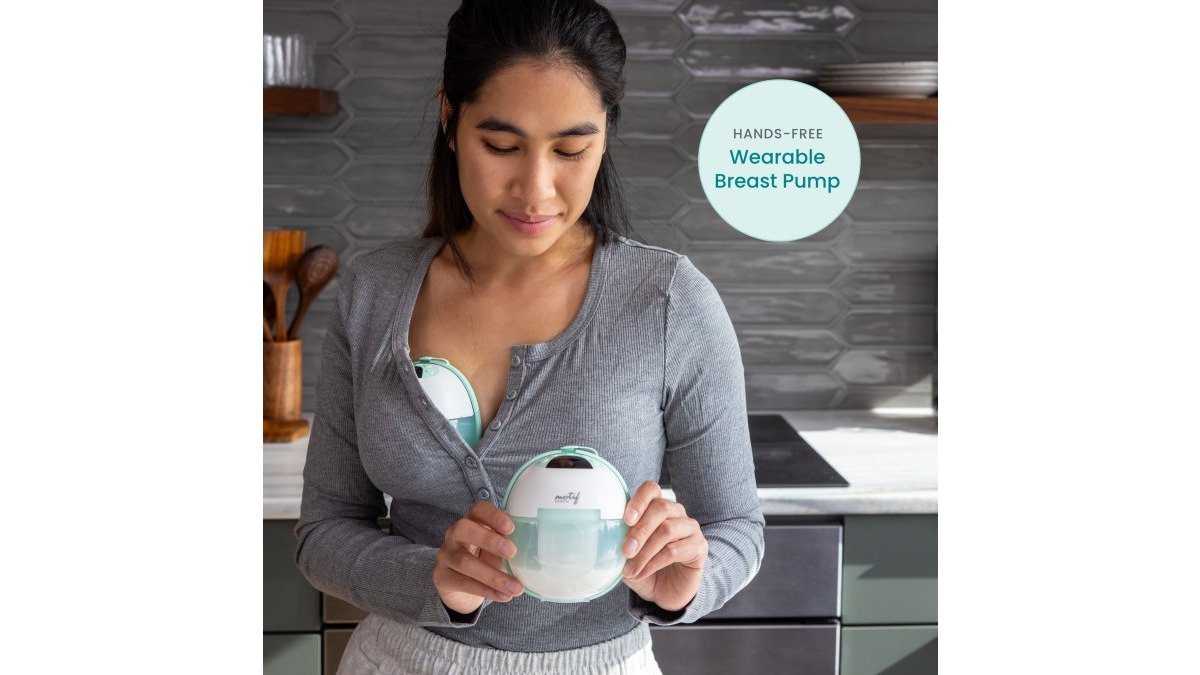
At General Home Medical Supply, we help Tricare members get maternity back braces and hands-free wearable breast pumps without chasing paperwork.
Below, we explain how to choose a belt for walking, how fit and materials matter, and how coverage usually works.
How to Find the Best Pregnancy Support Belt for Walking
The best pregnancy support belt for walking is one that stays put through a full stride, sits below the bump rather than on it, and breathes well enough to wear for a 20-minute walk. For a closer look, see this buyer’s guide comparing belts, bands, and braces.
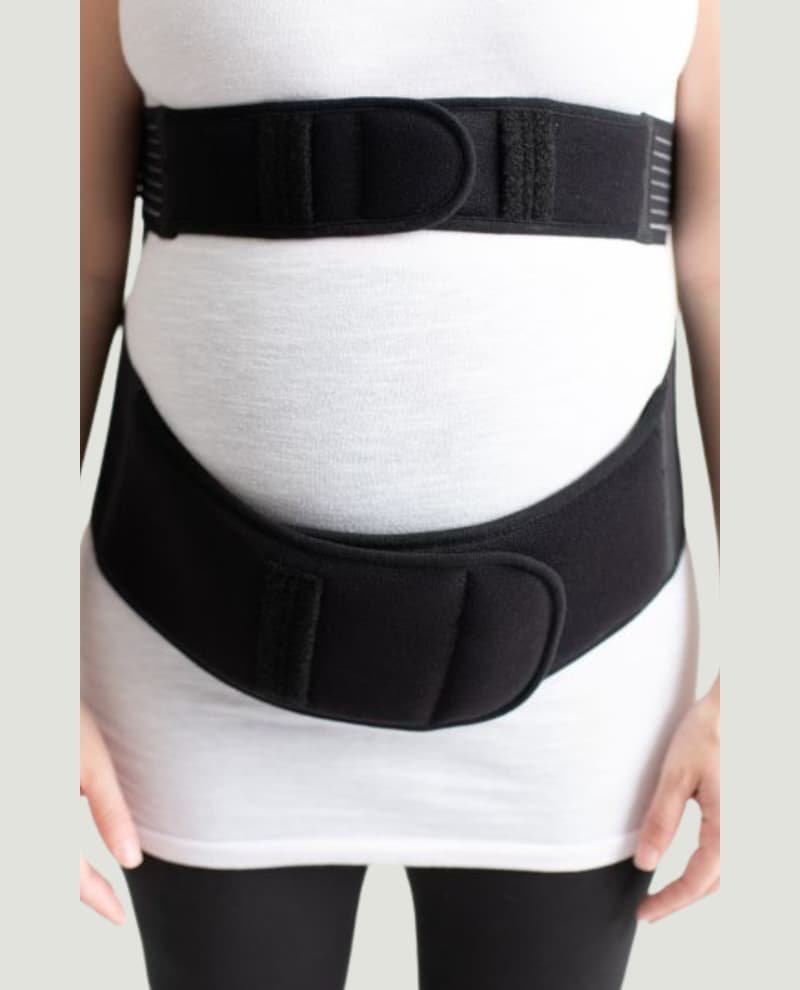
Walking-Specific Fit and Performance Checks
Before you commit to a belt, test it the way you will actually use it. Put it on, then walk for at least ten minutes on a hard surface such as sidewalk or pavement, because that is where bounce and slip show up first. A belt that passes the standing test can still fail the walking test in three predictable ways.
- Rolling at the top edge. A belt that rolls down at the front is usually sitting too high or is too narrow for your bump shape. It should anchor on the hips, not ride on the belly.
- Slipping at the hip bones. If the belt slides upward or twists during your stride, the band is either too loose or the closure is positioned off-center. Recenter the closure over the sacrum and retighten.
- Chafing at the hip crease. Rubbing shows up on longer walks and in warm weather. A soft inner lining and flat seams reduce it; a belt with exposed edges will not.
Sizing and Adjustment for a Growing Belly
Measure around your hips, not your belly, and size for where you will be in a few weeks rather than today. A belt with grow-with-you adjustability lets you loosen it as your bump rises.
A practical measurement routine: wrap a soft tape around the widest part of your hips at the level where you plan to wear the band, keep the tape level, and note the number.
Correct fit versus overly tight fit is easier to feel than to describe. If you are unsure where the belt should sit, this step-by-step fit guide shows exactly how to put one on and how snug it should feel.
Materials for Breathability and Comfort
Look for breathable fabric with moisture management, because walking warms you up quickly. A soft inner lining reduces rubbing at the hip bones, and a low-profile front panel keeps the belt from showing through leggings.
Material choices also affect durability. Stretch bands with a high elastane content tend to hold their shape longer than thin elastic, and a belt with a structured back panel keeps its support through repeated washing.
Choosing by Trimester, Body Shape, and Symptom
Selection guidance by stage and symptom is where most product pages stop short. Use this decision guide to narrow the field before you compare specific belts.
- First trimester with mild back ache. A light, low-profile band worn only on longer walks is usually enough. You do not need maximum compression yet.
- Second trimester with round ligament pull. A belt that lifts the bump slightly and compresses the front of the pelvis helps most. Look for a low front panel and adjustable side straps.
- Third trimester with pelvic girdle pain. A wider band that stabilizes the pelvis front and back tends to work better than a narrow belly band. Wear it for activity and remove it for rest.
- Back-dominant pain. Prioritize a belt with a contoured lumbar panel and firm back support.
- Hip or pelvic-dominant pain. Prioritize a low-riding band that compresses across the front of the hips rather than lifting the bump.
- Tall or short torso. A taller torso often needs a wider back panel to stay anchored; a shorter torso may need a narrower band so it does not ride up into the ribs.
A belt that fits well at one stage may feel different later in pregnancy, so match the belt to your current stage and plan to adjust as you progress. If you are unsure which product you need, this comparison of maternity belts and belly bands clears up the difference.
Match the belt to your stage and dominant symptom before you compare specific products.
| Situation | What to prioritize |
|---|---|
| First trimester with mild back ache | Light, low-profile band for longer walks only |
| Second trimester with round ligament pull | Low front panel and adjustable side straps |
| Third trimester with pelvic girdle pain | Wider band stabilizing pelvis front and back |
| Back-dominant pain | Contoured lumbar panel and firm back support |
| Hip or pelvic-dominant pain | Low-riding band compressing across front of hips |
| Tall torso | Wider back panel to stay anchored |
| Short torso | Narrower band so it does not ride into ribs |
The Best Belly Band for Pregnancy Pelvic Pain
The best belly band for pregnancy pelvic pain is a low-riding support band that lifts the bump slightly and compresses the front of the pelvis, which reduces the pull on round ligament pressure points. It works best when worn for activity and removed for rest.
How Support Belts Address Pelvic Pressure
Some people find that support belts help with comfort during activity, though results vary. A belt is a support tool, not a treatment. If pain is sharp, one-sided, or getting worse, talk to your OB or midwife before relying on a brace.
What Pregnancy Support Belt for Walking Reviews Reveal
When you read reviews, filter for your trimester and your body shape. A belt praised by someone at 20 weeks may sit completely differently at 34 weeks. Look for comments about walking specifically, not just standing or sleeping, because movement is where a belt either holds or fails.
Real-World Walking Comparisons to Look For
Most reviews describe a belt after a single wear. The reviews that actually help you choose describe the same belt across different conditions, and those are the ones worth reading closely.
A common pattern in useful reviews is a clear before-and-after: what the walk felt like without the belt, and what changed with it. That framing tells you whether the belt is solving back ache, pelvic pressure, or both, which matters because the same belt does not fix every symptom.
Safety, Limitations, and When to Stop Wearing a Belt
A belt is a support tool, not a treatment. It can improve comfort during a walk, but it does not resolve an underlying injury or condition, and it should not be worn all day as a substitute for rest or clinical care.
Watch out: stop wearing the belt and contact your OB or midwife if you notice sharp or one-sided pain, numbness or tingling in the legs, a change in your baby’s movement, fluid leakage, or regular contractions.
Care, Durability, and Value Over Time
Reviews rarely cover what happens after a month of wear, but that is where value shows up. A belt that holds its shape through repeated washing is worth more than one that stretches out in three weeks, even if the second one feels better on day one. Check whether the care label allows machine washing or requires hand washing, and whether the closure stays flat after washing.
How to Use Reviews to Choose by Your Needs
Use reviews as a filter, not a ranking. Start with your dominant symptom, then read only the reviews from people at your stage who describe walking. Skip reviews that only mention standing, sleeping, or brand loyalty. If several reviewers at your trimester describe the same failure, such as rolling at the top edge, treat that as a fit warning for your body shape rather than a one-off complaint.
Getting a Belly Band for Pregnancy with Insurance
A belly band for pregnancy with insurance usually requires a prescription from your doctor and a supplier that bills your plan. Coverage depends on medical necessity and proper documentation and authorization. We handle the authorization process for you.
Tricare coverage and authorization guidance
The Tricare Authorization Process
We contact your doctor to obtain the prescription, then request authorization from your insurance before anything ships. Once approved, your maternity back support and breast pump are shipped to your home at no charge to you, with free shipping. If you want to know whether prior authorization is required for your specific item, this prior authorization explainer walks through it. You can also read the full maternity support belt with prescription guide for Tricare.
Common Mistakes to Avoid with Maternity Support Belts
A common mistake is wearing the belt too high, directly over the bump. Overtightening can restrict breathing, so fit it snugly but comfortably.
- Wearing a belt all day instead of during activity
- Choosing a size for today’s belly only
- Confusing a maternity belt with a belly band, which serve different purposes
- Skipping the prescription step and paying out of pocket
We request authorization from your insurance before shipping, so you can avoid unexpected bills from unapproved orders. If you are unsure which product you need, this comparison of maternity belts and belly bands clears up the difference.
Check Your Tricare Coverage for a Maternity Back Brace
Walking should stay on your list of things you can do, not become another source of pain.
If you have Tricare and need a hands-free wearable breast pump or a maternity back brace, we do the work.
Get started with General Home Medical Supply and let us handle the authorization while you focus on your walk.
Choosing a belt is the easy part.
Frequently Asked Questions
What is the best pregnancy support belt for walking?
The best pregnancy support belt for walking is one that provides firm lower-back and pelvic support without restricting your movement. Look for a breathable, adjustable design that stays in place during activity. A belt with a ‘grow-with-you’ fit is ideal, as it can be adjusted as your belly grows. For many, a belt that targets both the belly and lower back offers the most comfort and stability during walks.
How should a pregnancy support belt fit?
A pregnancy support belt should fit snugly but comfortably around your hips and lower back, providing gentle compression without being too tight. You should be able to slide a finger underneath the straps. It should not dig into your skin or restrict your breathing. The belt’s main support should sit low on your pelvis and under your belly, helping to distribute the weight and reduce pressure on your lower back.
Can insurance cover a maternity back support belt?
Yes, insurance can cover a maternity back support belt if it is deemed medically necessary and prescribed by your doctor. For Tricare beneficiaries, this typically requires a prescription and prior authorization. General Home Medical Supply specializes in managing this process for you, from contacting your doctor for the prescription to securing authorization from Tricare and shipping the support belt directly to your home at no charge.
When should you start wearing a pregnancy support belt?
You can start wearing a pregnancy support belt whenever you begin to feel discomfort, which is often in the second or third trimester as your belly grows and your center of gravity shifts. There is no strict rule, so listen to your body. If you experience lower-back pain, pelvic pressure, or fatigue during walks or daily activities, a support belt may provide relief. Always consult your healthcare provider before starting.
