

Last Updated: November 13, 2026
Quick Summary
RBS lumbar support is a maternity brace that can help ease pregnancy back pain by adding gentle compression and redistributing abdominal weight away from the lower back. Evidence for maternity support belts is limited and mixed, so talk with your provider before wearing one. For TRICARE members who need a hands-free breast pump, General Home Medical Supply handles insurance authorization and ships equipment to your home.
- Under-belly support belts, lumbar wraps and combination belts are the three main designs of maternity lumbar support.
- Measure your waist and abdomen before ordering, and re-measure every few weeks as pregnancy progresses.
- Position the brace low on the hips and under the belly, not high on the ribs.
- Stop wearing the brace and contact your provider if you notice numbness or tingling in your legs.
- TRICARE members with a valid prescription can have General Home Medical Supply coordinate authorization and home delivery of their equipment.
Table of Contents
- Why Back Pain Happens During Pregnancy
- How RBS Lumbar Support Works for Pregnancy Back Pain
- RBS Lumbar Support Pregnancy Back Pain: How to Use It Correctly
- Side Effects and Safety Considerations for Maternity Back Support
- What Users Say: RBS Lumbar Support Pregnancy Back Pain Reviews
- Getting a Hands-Free Breast Pump Through TRICARE
- Scheduling Your Back Support and Breast Pump Delivery
- Frequently Asked Questions
If you have TRICARE coverage and you are expecting or recently delivered, a hands-free breast pump may be something you need, and General Home Medical Supply can handle the paperwork for you. General Home Medical Supply coordinates the insurance authorization and ships your breast pump and maternity back support brace straight to your home. The goal here is to explain how the insurance process works for TRICARE beneficiaries.
Pregnancy back pain is common. As the body changes, the center of gravity shifts forward, and the pelvis and lower back carry more load. Maternity support gear is one option some people consider, and a lumbar support may be discussed with your provider as part of that conversation. Whether any particular brace fits your situation is a question for your doctor.
Why Back Pain Happens During Pregnancy
Back pain during pregnancy usually comes from a combination of changes rather than one cause. Hormones such as relaxin loosen ligaments in the pelvis, the growing uterus pulls the spine forward, and posture shifts to compensate. Many people also notice discomfort in the hips or around the sacroiliac joint.
Pelvic girdle pain and round ligament pain are two of the more common patterns, and they often get worse as pregnancy moves into the second and third trimesters. Your provider can help tell these apart and suggest next steps.
How RBS Lumbar Support Works for Pregnancy Back Pain
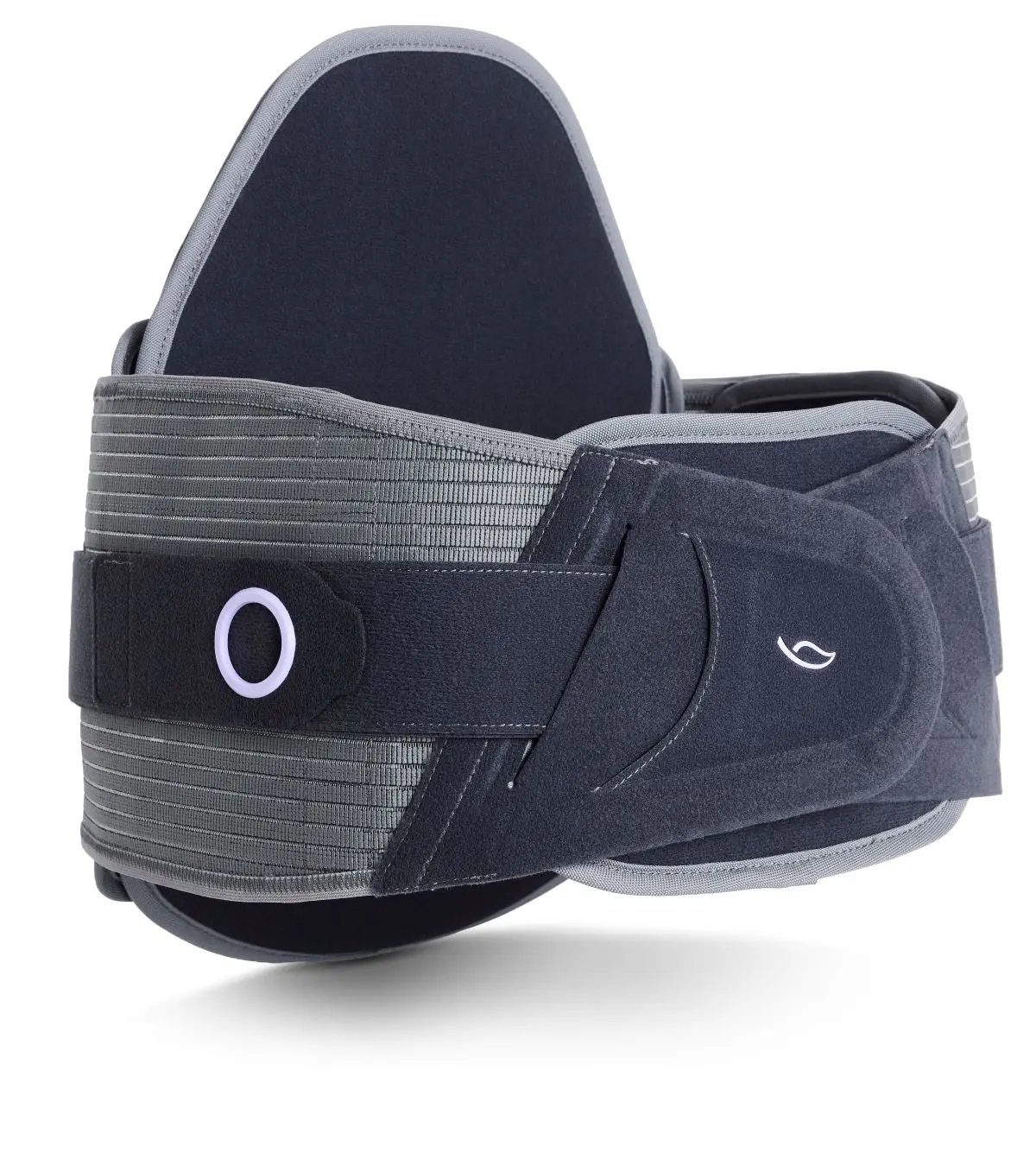
A maternity lumbar support is not a single product category. Most braces sold as “lumbar support” for pregnancy fall into one of three designs, and each works differently:
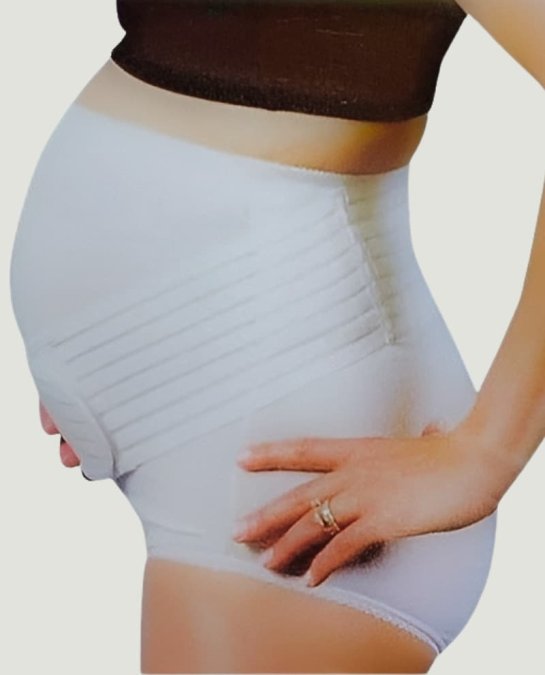
- Under-belly support belts sit low across the hips and lift the weight of the abdomen from underneath. They are the most common style and tend to help most with pelvic girdle pain and the heaviness that builds through the day.
- Lumbar wraps with a back panel place a firmer pad or stays against the lower back and wrap around the waist. These are aimed at the lumbar spine itself and are often chosen by people whose pain sits above the tailbone rather than in the hips.
- Combination maternity belts use two overlapping bands, one under the belly and one around the lower back, so the wearer can adjust support in each zone separately. They offer the most tuning but take longer to put on.
Mechanically, all three do two things. First, they add gentle circumferential compression, which gives the wearer proprioceptive feedback, a sense of where the trunk is in space, and that feedback alone can change how someone stands and moves. Second, they redistribute a portion of the abdominal load away from the lumbar spine and into the pelvis and the belt itself, which is why many wearers describe standing and walking as feeling more stable rather than less painful.
What the brace does not do is correct the underlying hormonal and postural changes of pregnancy. Relaxin loosens the pelvic ligaments, the growing uterus shifts the center of gravity forward, and the lumbar curve typically deepens to compensate. A belt manages the load; it does not reverse those changes.
On the evidence side, the picture is genuinely mixed. The clinical evidence for maternity support belts is limited and mixed, so a brace is best seen as one tool alongside rest, gentle movement, physical therapy, and guidance from your care team, and it is worth trying if your provider agrees.
RBS Lumbar Support Pregnancy Back Pain: How to Use It Correctly
A brace only helps if it fits well and is worn as directed. Poor fit is the most common reason people abandon these products within a week, and most of the problems are fixable once you know what to look for.
Fitting and Adjusting the Support
Measure your waist and the widest part of your abdomen before ordering, and re-measure every few weeks, the size that fit at 20 weeks may not fit at 32. Position the support low on the hips and under the belly, not high on the ribs. The under-belly band should cradle the abdomen from below; the back panel, if there is one, should sit across the lumbar curve rather than over the tailbone.
Tighten the closures gradually until the fit feels snug but still lets you slide a flat hand under the band and breathe fully. A good test is to sit down after tightening, if the belt digs sharply into the crease of the hips or the tops of the thighs when seated, it is too low or too tight.
Watch out: If the brace rolls up at the top edge, the band is usually too narrow for your belly shape or has been tightened unevenly; a wider band or a combination style with a second strap often solves it.
Wearing It Through Each Trimester
Support needs change over time. In the second trimester, many people wear a brace for part of the day during standing or walking and take it off for seated work. In the third trimester, when the belly is larger, daily wear may feel more useful, but breaks still matter, remove it when lying down or resting unless your provider advises otherwise.
Two practical issues come up constantly and rarely get mentioned in product guides. First, the belt can interfere with bathroom visits; the workaround is to loosen or unfasten the lower band before sitting rather than fighting it, and to look for designs with quick-release closures. Second, wearing a synthetic brace against the skin for eight or more hours traps heat and moisture, which is a setup for irritation and, in some wearers, fungal rash under the band. Choose a breathable fabric, wear it over a thin cotton layer, and check your skin at the end of each day for redness that does not fade.
Common Problems and Fixes
- Belt rolls or bunches: usually a width or tension problem, try a wider band or redistribute the tightening across both closures.
- Digs into the thighs when seated: the belt is sitting too low; raise it slightly so it rests on the hips rather than the leg crease.
- Numbness or tingling in the legs: stop wearing it and contact your provider; this can indicate nerve compression and is not a fit issue to work around.
- Too warm to tolerate: switch to a breathable style or shorten wear sessions rather than abandoning support altogether.
Side Effects and Safety Considerations for Maternity Back Support
Some people experience skin irritation, sweating, or pressure marks, especially in warm weather. Before buying, check whether a maternity support belt is covered by insurance. Choose breathable fabric and check your skin regularly for redness.
Stop using the brace and contact your provider if you notice increasing pain, swelling, tingling, or changes in how you feel. Back pain during pregnancy can also signal conditions that need medical attention, so do not rely on a brace alone to manage symptoms that are getting worse.
What Users Say: RBS Lumbar Support Pregnancy Back Pain Reviews
Individual experiences with maternity back supports vary, and wearers report different results depending on fit and comfort.
Read reviews as personal experience rather than clinical evidence. Compare several sources, and weigh feedback about fit, comfort, and durability more heavily than general praise.
Getting a Hands-Free Breast Pump Through TRICARE
If you have TRICARE and your provider has ordered a hands-free breast pump, the coverage process starts with a valid prescription and the right documentation. General Home Medical Supply coordinates the insurance authorization for your equipment on your behalf.
Coverage rules and approval timelines depend on your specific TRICARE plan and the equipment involved. Once authorization is confirmed, the equipment is shipped to your home. You can see how a free TRICARE breast pump is delivered to your home with no out-of-pocket cost.
Scheduling Your Back Support and Breast Pump Delivery
Once authorization is complete, we ship your breast pump and maternity back support directly to your home. You can request a hands-free breast pump with free home delivery to start this step. You do not need to pick up items or find a supplier nearby. If you have questions about timing, insurance steps, or what your plan covers, reach out to our team before you schedule delivery so you know what to expect.
Delivery timing depends on authorization approval and product availability, so check with our team for current details. Keep your prescription and insurance information handy to speed up the process.
Getting the support you need during pregnancy and postpartum should not mean wrestling with insurance paperwork. General Home Medical Supply coordinates the authorization for TRICARE-covered equipment and ships your breast pump and maternity back support to your door at no charge, with free shipping. Contact our team to check your coverage and start the process.
Frequently Asked Questions
Can RBS lumbar support help relieve back pain during pregnancy?
Many people find that a supportive maternity belt or lumbar brace eases pressure on the lower back and sacroiliac joint as the belly grows. Support tends to help most with standing, walking, and daily activities. Results vary, and the clinical evidence for braces specifically is limited, so treat support as one part of a plan. Talk with your OB or physical therapist about whether a brace fits your situation and how long to wear it.
Is it okay to wear a back brace while pregnant?
For most pregnant people, wearing a well-fitted maternity support brace is generally considered reasonable, but it should not replace medical advice. Wear it snugly, not tight enough to restrict breathing or circulation. Stop wearing it and contact your provider if you notice numbness, tingling, skin irritation, or pain that gets worse. Your provider can confirm whether a brace is appropriate for your pregnancy.
How can people with TRICARE get a hands-free breast pump and maternity back support?
General Home Medical Supply handles the authorization process with your insurance once you have a prescription from your provider. Once approved, the hands-free breast pump and maternity back support are shipped to your home. Check your insurance coverage and confirm your provider’s prescription details before ordering so the process can move forward smoothly.
