
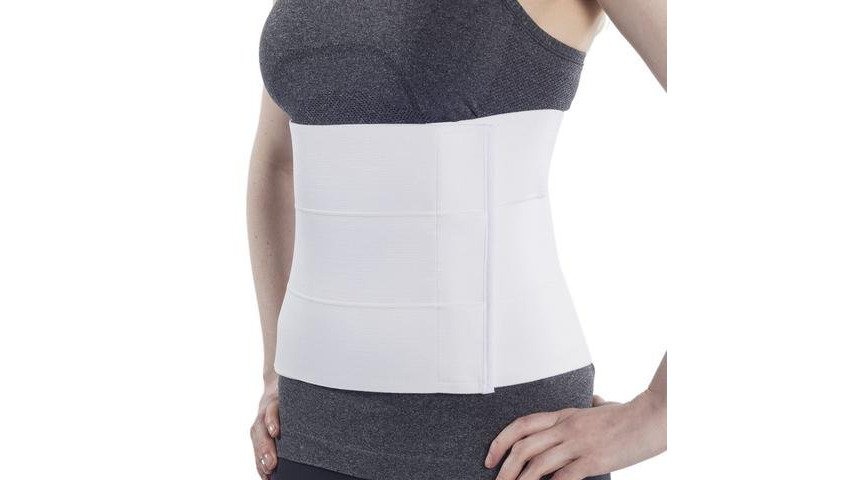
Last Updated: November 2, 2026
Quick Summary
A TRICARE breast pump claim needs three core documents: a valid prescription naming the pump type, an itemized proof of purchase, and a completed claim form. The prescription must state the pump is medically necessary and match the model on your receipt exactly.
- The prescription must name the pump type specifically, not just breast pump.
- An itemized receipt must show the pump brand, model number, purchase date, and amount paid.
- DD Form 2642 is the standard reimbursement form for TRICARE breast pump claims.
- A receipt for a different model than the prescription is a common reason claims get kicked back.
- General Home Medical Supply gets all authorization from your insurance and ships free.
Table of Contents
- The Core Documents Every TRICARE Breast Pump Claim Needs
- TRICARE Breast Pump Prescription: Who Can Write It and What It Must Say
- How Documentation Changes by Pump Type: Manual, Standard Electric, and Hospital-Grade
- Filling Out the TRICARE Breast Pump Claim Form Correctly
- TRICARE Breast Pump Reimbursement: Receipts, Deadlines, and What Gets Paid
- Troubleshooting Denials and Appealing a TRICARE Breast Pump Claim
- Let General Home Medical Supply Handle Your Authorization and Free Delivery
- Frequently Asked Questions
The Core Documents Every TRICARE Breast Pump Claim Needs
If you have TRICARE and need a hands-free breast pump, the paperwork is the whole game.
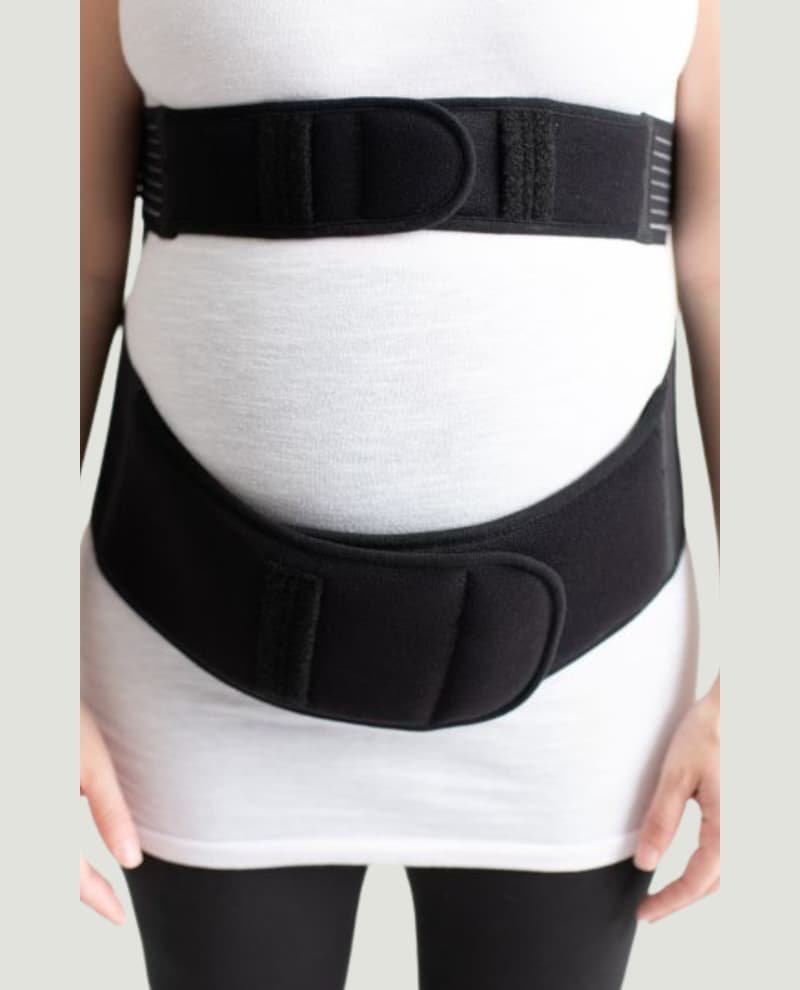
At General Home Medical Supply, we handle this stack for you. We get all the authorization from your insurance, then ship the breast pump and maternity back support to your home.
Here is what each document does:
- Prescription: Ties the pump to a specific patient and a specific pump type.
- Proof of purchase: Shows what you bought, when, and from whom.
- Claim form: Tells TRICARE who to pay and how much.
Most denials we see come from small mismatches, not from missing coverage. The TRICARE breast pump coverage guidance confirms pumps are a covered benefit when the paperwork lines up.
The Document-by-Document Checklist
Before you mail or upload anything, lay every item on the table and confirm it against this list. Building a checklist like this can help you catch a mismatch before you submit.
1. Prescription (current and signed)
- Patient’s full legal name, spelled exactly as it appears in DEERS
- Provider’s full name, credentials, and signature
- Date of the prescription
2. Proof of purchase (itemized)
- Seller’s business name
- Purchase date
- Pump brand and model number, matching the prescription
3. Claim form (complete and signed)
- Patient name and DEERS record information
- Sponsor’s name and information
- Pump model and purchase date
4. Supporting attachments
- Copy of the prescription
- Copy of the itemized receipt or invoice
- Any additional records the provider wants included (for example, a short letter of medical necessity for a hospital-grade pump)
5. Your own file copy
- Photocopy or scan of every page you send
- The date you sent it and the mailing or submission method
- Any tracking or confirmation number
Build the checklist before you buy. If the prescription does not name the exact pump model you plan to purchase, ask the provider to revise it first. Fixing a prescription before purchase is far easier than correcting a claim after submission.
Prescription, Proof of Purchase, and Claim Form
Treat these as one package. The prescription must name the pump type. The receipt must match that pump. The claim form must match both.
Watch out: A receipt for a different model than the one on the prescription is one of the most common reasons a claim gets kicked back.
If you want the full picture of how the authorization fits together, read our guide on how to get TRICARE medical equipment authorization.
TRICARE Breast Pump Prescription: Who Can Write It and What It Must Say
A TRICARE breast pump prescription must come from an authorized provider and must state that a pump is medically necessary. It also needs the pump type spelled out.
Who counts as an authorized provider:
- A physician
- A physician assistant
- A nurse practitioner
The prescription should include the patient’s name, the provider’s details, the pump type, and a statement of medical necessity. Ask for the pump type by name.
Common Prescription Errors That Delay Approval
The errors we see most often are small and fixable:
- No pump type listed, just “breast pump”
- Missing medical necessity language
- Provider signature or date missing
Each one sends the claim back for review. If you are already worried about delays, our article on how to speed up insurance approval for a breast pump walks through the practical steps.
How Documentation Changes by Pump Type: Manual, Standard Electric, and Hospital-Grade
Documentation gets stricter as the pump gets more specialized. A manual pump needs the least. A standard electric pump needs a clear prescription and receipt. A hospital-grade pump needs the strongest medical necessity case.
| Pump Type | Prescription Detail | Medical Necessity | Typical Route |
|---|---|---|---|
| Manual | Basic, pump named | Standard statement | Purchase and claim |
| Standard electric | Pump type and model | Standard statement | Supplier or clinic |
| Hospital-grade | Specific clinical need | Detailed justification | Provider and supplier |
For hospital-grade pumps, the prescribing provider must explain why a standard electric pump will not meet the patient’s needs. Our guide on whether a hospital grade pump is worth it under TRICARE covers the trade-offs.
Check Your Insurance Coverage →
Filling Out the TRICARE Breast Pump Claim Form Correctly
The TRICARE breast pump claim form is where small typos cost weeks. Fill it out with the prescription and receipt in front of you, not from memory.
Check which claim form your route requires before you file. Match every field to your supporting documents:
- Patient name exactly as it appears in DEERS
- Sponsor’s information
- Pump model and purchase date
DD Form 2642, Block by Block
DD Form 2642 is the Patient’s Request for Medical Payment. It is the standard reimbursement form for TRICARE, and the blocks that matter most for a breast pump claim are the ones that tie the patient, the provider, and the purchase together. Have the prescription and the itemized receipt beside you as you fill it in.
- Patient and sponsor identification: Use the patient’s full legal name exactly as it appears in DEERS, plus the sponsor’s name and identifying information. A nickname or a married name that does not match DEERS is a common cause of a returned form.
- Provider information: Enter the prescribing provider’s name, credentials, and the date the prescription was signed. This must match the prescription page you attach.
- Diagnosis and service description: Describe the item as a breast pump and note the pump type. For a hospital-grade pump, reference the provider’s justification rather than summarizing it yourself.
Do not combine a breast pump purchase with unrelated medical purchases on one DD Form 2642. A separate form per purchase keeps the attachments matched to the claim and makes a partial denial easier to isolate.
How the Claim Route Changes the Paperwork
The same documents do not travel the same path in every situation. Match your route before you assemble the package.
- Military clinic or hospital route: If you obtain the pump through a military treatment facility, the facility’s staff typically handle the order and the internal authorization. Your job is to bring the prescription and confirm the pump type with the provider. You generally do not file DD Form 2642 yourself for a pump supplied by the facility.
- Supplier route with authorization: If a supplier obtains prior authorization from TRICARE and bills directly, the supplier manages the claim. You still need a valid prescription naming the pump type, and you should keep a copy of everything the supplier submits on your behalf. General Home Medical Supply handles this route for you: we get all the authorization from your insurance and ship the breast pump and maternity back support to your home.
- Reimbursement route: If you buy the pump yourself and seek reimbursement, you file DD Form 2642 with the prescription and itemized receipt attached. This is the route where block-level accuracy matters most, because there is no supplier standing between you and the claims processor.
Required Attachments and Submission Steps
Submit the claim form with the prescription, the itemized receipt, and proof of purchase. Then:
- Make copies of everything before you send it.
- Confirm the correct claims address for your region.
- Send the package and note the date.
- Track the claim and keep your confirmation.
Watch out: Sending a claim without an itemized receipt is a fast track to a denial. A credit card statement alone rarely proves what was purchased.
Troubleshooting a Rejected or Incomplete Claim
A claim that comes back is usually fixable, and the fix is almost always in the paperwork rather than the coverage decision. Work through these in order:
- Read the reason code or letter first. It names the specific defect, whether that is a missing signature, a name mismatch, a missing itemized receipt, or a prescription that does not identify the pump type.
- Correct the document, do not resubmit the same package. If the prescription is vague, ask the provider to reissue it with the pump type named. If the receipt is not itemized, request an itemized invoice from the seller.
- Escalate to an appeal if the denial is on coverage grounds. A paperwork defect and a coverage denial are different problems and take different paths. Our breakdown of whether a medical claim appeal is worth it helps you tell them apart.
TRICARE Breast Pump Reimbursement: Receipts, Deadlines, and What Gets Paid
TRICARE breast pump reimbursement depends on three things: a clean receipt, a timely filing, and a pump that matches the prescription. Get those right and the claim moves.
Your receipt must show the pump model, the purchase date, the seller, and the amount paid. Handwritten receipts are risky. Ask for an itemized one.
Deadlines matter. TRICARE sets filing time limits, and those limits can change.
What typically gets paid is the covered pump and supplies tied to the prescription. Upgrades or extras outside the covered benefit usually fall to you.
Troubleshooting Denials and Appealing a TRICARE Breast Pump Claim
A denial is not the end. Most denials we see trace back to a missing document or a mismatch, and both can be fixed.
Start by reading the denial letter closely. It names the reason. Then:
- Request the specific missing document
- Correct the mismatch between prescription and receipt
- Resubmit with a cover note explaining the fix
If the denial stands, you can appeal. Before you spend the time, read our breakdown of whether a medical claim appeal is worth it. It helps you judge the odds and the effort.
Let General Home Medical Supply Handle Your Authorization and Free Delivery
You do not have to assemble this paperwork alone. That is the part we take off your plate.
At General Home Medical Supply, we get all the authorization from your insurance. We coordinate the prescription, handle the billing, and ship the breast pump and maternity back support to your home at no charge.
If you are ready to hand off the paperwork, see how to choose a TRICARE breast pump supplier that manages authorization and delivery.
Frequently Asked Questions
What documentation do I need for a TRICARE breast pump claim?
You need a written prescription from an authorized provider, a paid receipt or proof of purchase, and a completed claim form. If you are filing for reimbursement, include the prescription, itemized receipt showing the pump model and date, and the claim form with your sponsor’s information. For hospital-grade pumps, add supporting medical records that show medical necessity. Keep copies of everything you submit.
Does TRICARE require a prescription for a breast pump?
Yes. TRICARE requires a prescription for a breast pump, and the prescription must come from an authorized provider such as a physician, physician assistant, nurse practitioner, or nurse midwife. The prescription should specify the pump type (manual, standard electric, or hospital-grade) and include a statement of medical necessity for hospital-grade pumps. A verbal order is not enough; get it in writing before you buy.
How do I submit a TRICARE claim for a breast pump?
Submit your claim form with the prescription and receipt attached. You can file by mail or through the TRICARE claims address for your region. Keep copies of all documents. If you use a supplier that handles insurance authorization, they may submit the paperwork for you. For reimbursement, send the claim form, prescription, and proof of purchase within the filing deadline for your plan.
What should I do if TRICARE denies my breast pump claim?
Read the denial letter to see the reason. Common fixes include a missing prescription, a prescription that does not specify pump type, or a receipt without the pump model. Resubmit with the corrected document. If the denial stands, file an appeal within the deadline stated in your letter. You can also ask your prescribing provider to add a letter of medical necessity. Keep copies of everything you send.
Getting a hands-free pump should not mean weeks of back-and-forth between your doctor, your insurer, and a supplier. General Home Medical Supply handles prescription coordination, insurance authorization, and billing, then ships your breast pump and maternity back support to your door at no charge with free shipping. Get started with General Home Medical Supply and check your insurance coverage today.
