
Last Updated: November 15, 2026
Quick Summary
A GHMS Back-Mate is a maternity back support that lifts the abdomen and compresses the lower back to ease strain during daily activity. For TRICARE members, a back-mate pregnancy support and a hands-free breast pump may be covered when prescribed, and General Home Medical Supply handles the authorization and ships both to your home at no charge.
- TRICARE coverage depends on your plan, eligibility, and medical necessity, so confirm details first.
- General Home Medical Supply handles authorization with your insurance.
- Once approved, the hands-free breast pump and maternity back support ship to your home at no charge.
- Shipping is free on your order.
- A back support is a comfort aid and does not treat the underlying causes of pregnancy back pain.
Table of Contents
- Why Back Pain Is So Common During Pregnancy
- Pregnancy Back Pain Relief Options Beyond a Brace
- Lower Back Pain During Pregnancy in the Third Trimester
- What the GHMS Back-Mate Is and How It Compares to Other Maternity Supports
- Choosing a Maternity Back Support Belt: Fit, Sizing, and Wear Tips
- Getting a Hands-Free Breast Pump and Back Support Through TRICARE, Shipped Free
- Requesting Your Authorization and Free Home Delivery Today
- Frequently Asked Questions
If you have TRICARE coverage and you’re pregnant or recently postpartum, a hands-free breast pump and a maternity back support may be covered when prescribed. This back-mate pregnancy guide explains what to expect, why back pain is so common during pregnancy, and how to choose the right support belt.
Why Back Pain Is So Common During Pregnancy
Back pain is one of the most frequent complaints during pregnancy. Many people notice it first in the second trimester and find it grows more noticeable as the baby gets bigger. The discomfort usually centers on the lower back and pelvis, and it can make sitting, standing, and sleeping harder.
Causes: Hormones, Weight Gain, and a Shifting Center of Gravity
Several changes happen at once. Hormones such as relaxin loosen the ligaments around the pelvis to prepare for birth, which can reduce support for the joints. Weight gain adds load to the lower spine. As the belly grows, your center of gravity moves forward, and your back muscles work harder to keep you upright.
Posture often shifts too. Many people lean back to balance the extra weight, which compresses the lower back further.
When Lower Back and Pelvic Discomfort Is Typical
Lower back and pelvic discomfort is common, especially later in pregnancy. Some people feel a dull ache, while others notice sharp pain when they change position. Pain that is sudden, severe, or paired with bleeding, fever, or contractions needs prompt medical attention, so contact your healthcare provider right away if any of those occur.
Pregnancy Back Pain Relief Options Beyond a Brace
A support belt is only one tool. Many people get the most relief from a combination of approaches. Walking, swimming, and prenatal yoga keep muscles active and can ease tension. Good posture when sitting, using a footrest, and sleeping on your side with a pillow between your knees can also help. Heat and gentle massage offer short-term comfort for some people.
Ask your healthcare provider or a physical therapist which options suit your pregnancy. Some medications and treatments are not appropriate during pregnancy, so always check first.
Lower Back Pain During Pregnancy in the Third Trimester
Third-trimester back pain often becomes the most intense. The baby’s weight is at its highest, and the body is preparing for labor. Many people find that a supportive garment helps them stay mobile through the day. Rest breaks, changing positions often, and avoiding long periods of standing can reduce strain.
What the GHMS Back-Mate Is and How It Compares to Other Maternity Supports
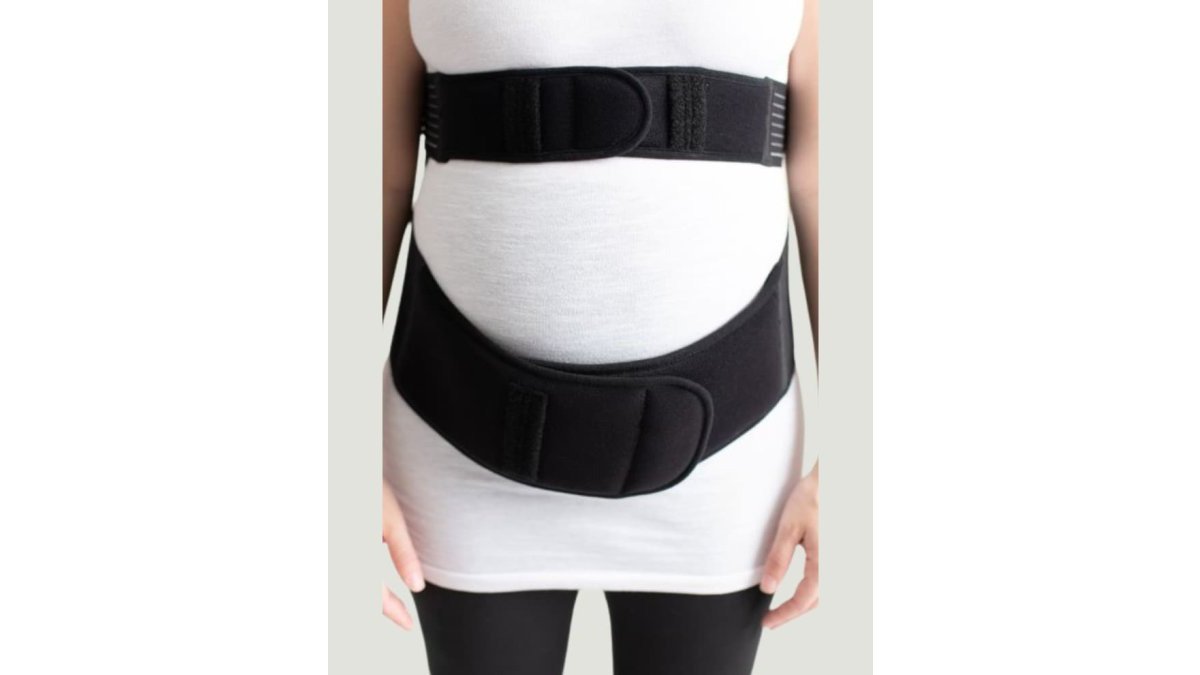
The GHMS Back-Mate is a maternity back support designed to provide gentle lift under the abdomen and compression across the lower back during daily activities. For anyone managing a back-mate pregnancy, the goal is not to treat the underlying cause of pregnancy-related pain, but to shift some of the load away from the lower back and pelvic joints so standing, walking, and changing positions feel more manageable.
How a Maternity Support Works
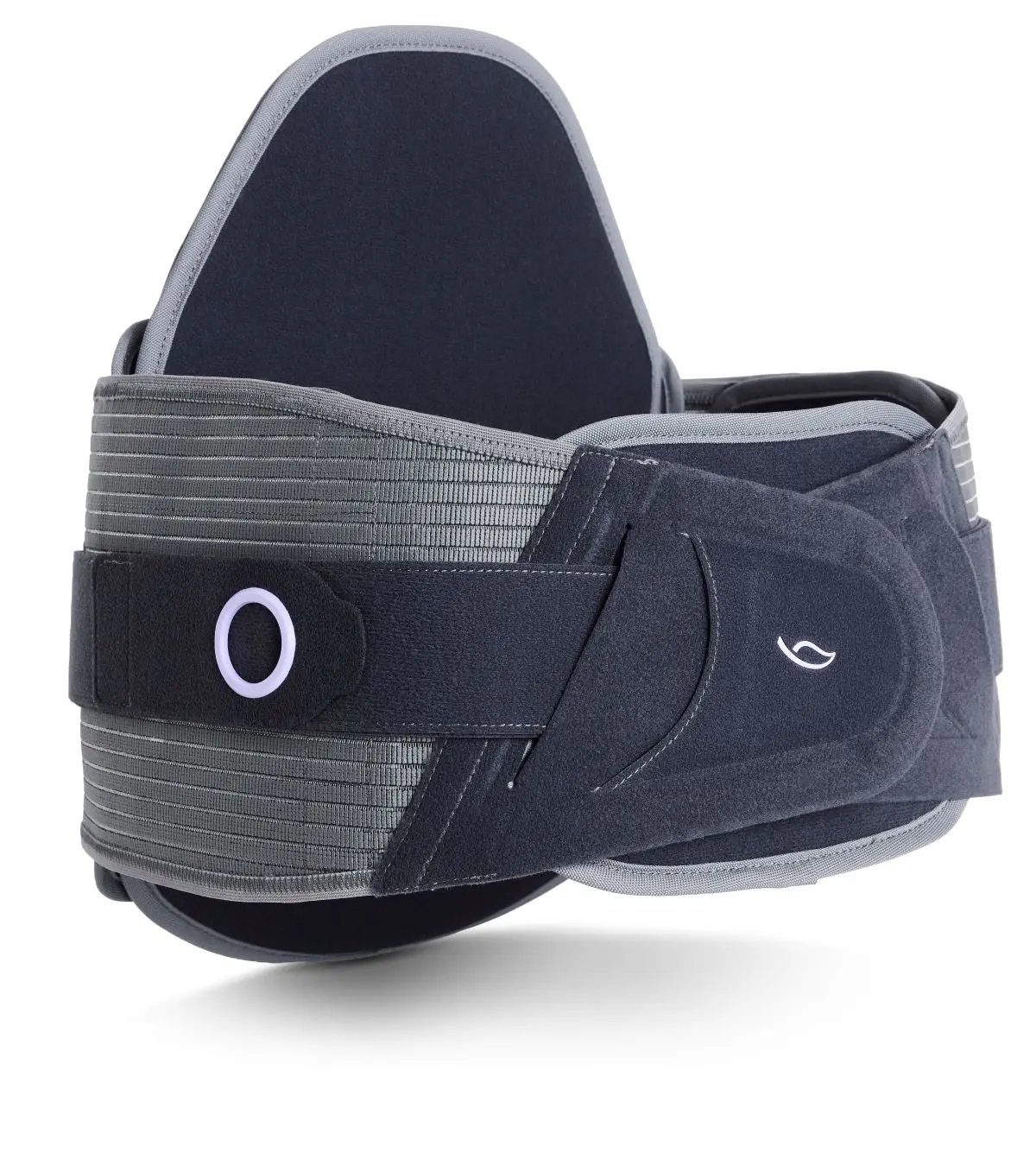
A maternity support belt or band works through two mechanisms. First, a lower band lifts the abdomen slightly, which reduces the forward pull on the lower back. Second, a back panel or overlapping straps add compression and proprioceptive feedback, a gentle reminder to hold better posture. The benefit is generally comfort and endurance rather than a cure, since the garment does not change the hormonal and postural factors involved.
How the Back-Mate Compares to Other Options
Maternity support options fall into a few broad categories, and each has trade-offs worth understanding before you choose.
- Full-band maternity belts wrap under the abdomen and around the lower back. They offer broad lift and are easy to fasten, but some people find them warm or bulky under clothing.
- Adjustable strap-style supports use overlapping straps to fine-tune compression at the lower back and pelvis. They tend to be more adjustable but can take longer to position correctly.
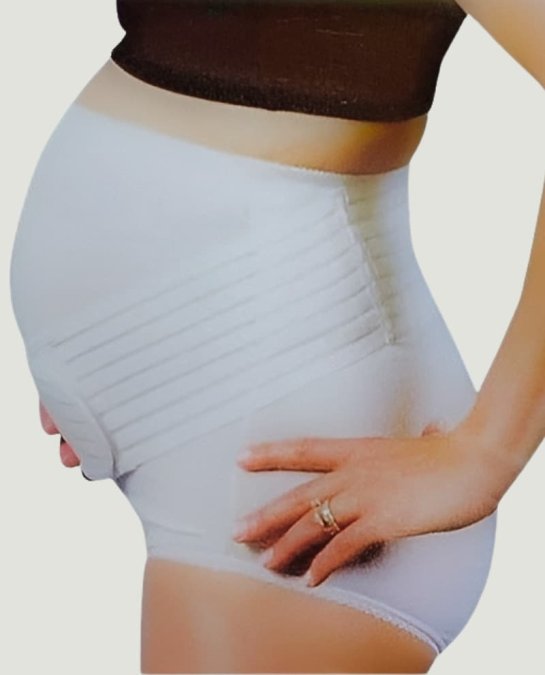
- Compression garments and support shorts provide all-over gentle compression rather than targeted lift. They are discreet but offer less focused abdominal support.
- Non-device approaches, prenatal yoga, swimming, walking, posture coaching, heat, and massage, address muscle tension and body mechanics without a garment. Many people combine a support with these approaches rather than choosing one.
What the Evidence Does and Does Not Show
Evidence on maternity supports is still limited. Evidence on maternity supports is limited, and a garment is not shown to correct the hormonal and structural changes behind pregnancy-related pain. View any support as a comfort aid, not a treatment. If pain is severe, persistent, or paired with bleeding, fever, or contractions, contact your healthcare provider rather than relying on a garment.
Comparison Criteria That Matter
When you compare the Back-Mate with any other maternity support, judge it on the same practical criteria:
- Coverage area, does it support the lower back only, or also lift under the abdomen?
- Adjustability, can you tighten or loosen it as your abdomen grows week to week?
- Materials and breathability, will it stay comfortable under clothing during warmer months?
- Ease of fastening, can you put it on and take it off without help?
- Care instructions, is it machine washable, and how quickly does it dry?
- Intended support area, is it designed for daily activity, exercise, or rest?
A support that is too tight can cause discomfort, and one that is too loose may not provide meaningful lift. The right choice is the one you can adjust comfortably and wear consistently for the activities you do most.
Choosing a Maternity Back Support Belt: Fit, Sizing, and Wear Tips
Fit matters more than almost any other factor, and it is the area where most people get the least guidance. A support that fits well is one you can adjust comfortably, wear for the activities you do most, and forget about for stretches of the day.
How to Measure for a Maternity Support
If you are between sizes, choose the larger size, a support that is too small will be uncomfortable as your abdomen grows, while a slightly larger one can be tightened. Re-measure every few weeks, because the widest point moves and grows through the second and third trimesters.
How to Position and Adjust the Support
Tighten the straps so the belt feels supportive but not restrictive, you should be able to slide a flat hand between the belt and your body. For a step-by-step walkthrough of adjusting a maternity support belt for comfort, see that guide. Adjust the tension when you sit, stand, or walk, since the support that feels right standing may feel tight sitting.
How to Adjust as Your Abdomen Grows
A maternity support is not a one-time fit. As the abdomen grows, the widest point shifts and the belt needs to be repositioned and re-tensioned. A common pattern is to loosen the straps slightly in the morning and tighten them for walks or longer periods of standing. If the belt starts to dig in, ride up, or feel loose within an hour, re-check the position before assuming the size is wrong.
Signs of a Good Fit Versus a Poor Fit
A good fit stays in place during walking, does not leave deep red marks, and lets you breathe and sit comfortably. A poor fit slips down, rolls at the edges, or causes numbness, tingling, or skin irritation. If you notice any of those, stop wearing the support, re-check the sizing, and speak with your provider.
Wear Tips for Daily Use
Start with short wear periods, an hour or two at a time, and build up as you learn how the support feels during different activities. Remove it when lying down if that feels better, and give your skin a break between wear periods. Wash the support according to the manufacturer’s care instructions and let it dry fully before wearing it again.
Watch out: If pain worsens while wearing the support, or if you develop numbness, tingling, or skin breakdown, stop wearing it and contact your healthcare provider rather than tightening the belt further.
Getting Your Support Through TRICARE
If you have TRICARE, a maternity back support may be covered when prescribed, and General Home Medical Supply handles the authorization with your insurance. Once approved, we ship the back support and your hands-free breast pump directly to your home. Read our step-by-step guide to getting a hands-free breast pump covered by TRICARE.
Getting a Hands-Free Breast Pump and Back Support Through TRICARE, Shipped Free
If you have TRICARE, a hands-free breast pump and a maternity back support may be covered when prescribed. Follow the specific steps to obtain a hands-free pump through TRICARE for a dedicated walkthrough.
General Home Medical Supply handles the authorization process with your insurance. For daily strategies to ease back pain at work, see sitting tips, stretches, and support gear.
Here is a quick summary of what TRICARE members need to know about getting a hands-free breast pump and maternity back support through General Home Medical Supply.
| Step | What happens | Cost to you |
|---|---|---|
| Check eligibility | Confirm TRICARE coverage and medical necessity with your provider | Not stated |
| Get a prescription | Obtain a prescription from your healthcare provider | Not stated |
| Authorization | General Home Medical Supply works with your insurance to get approval | Handled by us |
| Delivery | Breast pump and back support shipped to your home | No charge |
| Shipping | Shipping on your order | Free |
Requesting Your Authorization and Free Home Delivery Today
Getting started is straightforward. Gather your TRICARE information and a prescription from your healthcare provider, then contact General Home Medical Supply to begin the authorization. We will work with your insurance, and once it is approved, your hands-free breast pump and maternity back support will ship to your door at no charge, with free shipping.
If you are ready to check your coverage, reach out to General Home Medical Supply today and let us handle the paperwork.
Frequently Asked Questions
When should I be worried about back pain during pregnancy?
Mild aches are common, but some symptoms warrant a call to your obstetric provider the same day. These include back pain with fever, painful or burning urination, vaginal bleeding, fluid leaking from the vagina, regular contractions, or pain that wakes you at night and does not ease with rest. Any sudden or severe pain, or pain with swelling or numbness in a leg, should be checked promptly. A maternity support belt is meant for comfort and is not a substitute for a clinical evaluation of these warning signs.
Can a maternity support belt help with pregnancy back pain?
Many pregnant people find that a maternity support belt makes standing and walking more comfortable by supporting the abdomen and lower back. The GHMS Back-Mate is designed to provide that kind of supportive fit. Results vary from person to person, and a support belt does not treat the underlying cause of pain. Ask your clinician whether a support belt is appropriate for you, and wear it as directed for your comfort and fit.
Does TRICARE cover a hands-free breast pump and maternity back support?
TRICARE coverage depends on your specific plan, your medical need, and whether a qualified provider has prescribed the equipment. General Home Medical Supply coordinates prescriptions and insurance authorization for eligible patients, so you do not have to manage that process alone. Coverage decisions are made by TRICARE, so confirm your benefits with TRICARE directly. General Home Medical Supply will contact you with next steps once the request is reviewed.
What should I ask my clinician before using maternity back support?
Ask whether a support belt is appropriate for your stage of pregnancy and your specific symptoms. Confirm how long you should wear it each day, how to size and position it, and whether it is safe alongside any activity or exercise restrictions you have. Also ask which warning signs mean you should stop using the belt and contact your provider right away. Bring your insurance information so your clinician can document the medical need.
