
Table of Contents
- What an Abdominal Binder Does for Postpartum Recovery
- Abdominal Binder After C-Section: What to Expect
- How to Wear a Postpartum Abdominal Binder
- How Long to Wear an Abdominal Binder Postpartum
- Postpartum Binder Safety: What to Know Before You Wrap
- Getting Your Abdominal Binder Through Insurance
- Conclusion: Realistic Expectations for Your Recovery
- Frequently Asked Questions
Last Updated: October 13, 2026
What an Abdominal Binder Does for Postpartum Recovery
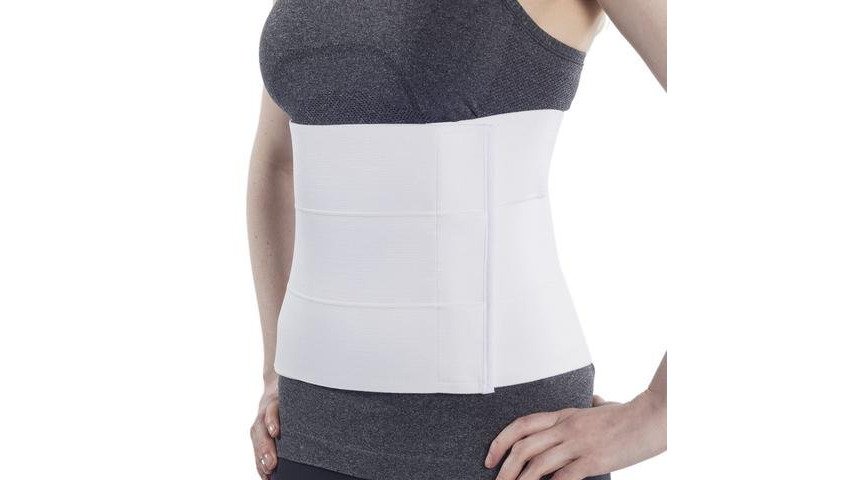
An abdominal binder is a wide, adjustable wrap worn around the midsection after childbirth to provide gentle compression and support while the abdominal muscles and tissues heal.
The first weeks after delivery involve a lot of physical change. Your uterus shrinks back toward its pre-pregnancy size, your abdominal muscles knit back together, and any surgical incision needs protection. A binder does not speed those processes up on its own.
How Abdominal Binders Provide Support
Support from a binder is mechanical, not medical. The wrap compresses the abdominal wall, which can ease the pulling sensation many women feel when they stand up or cough in the days after birth.
That gentle compression may also help with:
- Lower-back pain, by taking some load off tired postural muscles
- Pelvic pressure and general pelvic discomfort during early recovery
- Swelling and fluid retention, which many women notice in the first week
What most guides miss is that a binder is a comfort tool, not a treatment. It will not close a diastasis recti on its own, and it will not replace pelvic floor rehabilitation.
A binder supports your midsection while it heals. It does not do the healing for you, so pair it with the core and pelvic floor work your provider recommends.
Abdominal Binder After C-Section: What to Expect
An abdominal binder after C-section is often recommended because it protects the incision area and gives the abdominal wall something to brace against. Many women find that the wrap makes it easier to get out of bed, cough, or hold their baby without wincing. But the evidence behind that recommendation is not all the same quality, and it helps to know which claims rest on solid ground and which are borrowed from other types of surgery.
What the Evidence Actually Shows
Research on abdominal binders after childbirth falls into three tiers, and they are not interchangeable:
- Postpartum-specific studies, the smallest group. These look directly at women recovering from vaginal or cesarean birth and generally find modest improvements in comfort, mobility, and self-reported pain in the first days to weeks.
- General maternity-belt research, studies of pregnancy support belts, which are similar in design but worn before delivery. Findings here are often extrapolated to postpartum use, which is reasonable but indirect.
- Abdominal-surgery research, studies of binders after general abdominal operations. These are frequently cited because the mechanics overlap, but the patients, incisions, and recovery timelines differ from childbirth.
A common pattern is that the strongest, most consistent benefit is comfort and perceived support. Claims about faster healing, reduced bleeding, or quicker return of muscle tone are much less well supported and often come from tradition or anecdote rather than controlled study.
How C-Section Recovery Differs from Vaginal Recovery
A cesarean birth involves a surgical incision through skin, fat, and the uterine wall, plus retraction of the abdominal muscles. A vaginal birth does not. That difference shapes how a binder is used:
- After C-section: the binder is typically positioned to support the lower abdomen without pressing directly on the incision. Many providers suggest wearing it during the first days when movement is most painful, then tapering as mobility returns.
- After vaginal birth: there is no incision to protect, so the binder is used mainly for lower-back and pelvic support. Fit tends to be looser and the wearing window shorter.
- After a complicated vaginal birth (for example, significant tearing or assisted delivery), the calculus can shift again, and provider guidance matters more than any general rule.
Practical Points for C-Section Use
- Choose a binder that sits high enough to cover the incision without pressing directly on it
- Tell your provider if the binder rubs, pinches, or causes any discharge or redness at the incision
- Remove it for wound checks and whenever your care team asks
Pelvic Floor and Core Work Still Matter
A binder is external support, not rehabilitation. It does not substitute for pelvic floor assessment, progressive movement, or individualized physical therapy. Many practitioners recommend that women after both C-section and vaginal birth have their pelvic floor evaluated and follow a graded core program rather than relying on a wrap to “hold everything in.” The binder can make early movement more comfortable, which in turn supports circulation and recovery, but the underlying muscle and connective tissue work is what restores function.
After a C-section, a binder is best used as short-term comfort support while you heal. Pair it with provider-approved movement and a pelvic floor assessment rather than treating it as a substitute for rehabilitation.

How to Wear a Postpartum Abdominal Binder
How to wear a postpartum abdominal binder comes down to three things: position, snugness, and time. Get those right and the binder does its job without causing new problems.
Start by lying flat or standing tall, then wrap the binder around your midsection so it covers from just below the ribs to the hips.
A simple checklist:
- Position the binder low enough to support the lower abdomen
- Check that you can breathe deeply and sit comfortably
- Adjust or remove it before sleep unless your provider says otherwise
How Long to Wear an Abdominal Binder Postpartum
How long to wear an abdominal binder postpartum varies from person to person. Many women wear one for the first few weeks after delivery, tapering off as comfort improves and core strength returns.
A common approach is to wear the binder during the day for the first two to six weeks, then reduce use as you feel steadier.
If you are unsure, ask your provider for a target window based on your delivery type and recovery so far.
Wearing a binder too tight for too long can cause numbness, skin irritation, and muscle dependence. If you feel tingling or cannot take a full breath, loosen it or take it off.
Postpartum Binder Safety: What to Know Before You Wrap
Postpartum binder safety starts with fit and common sense. A binder should feel supportive, not restrictive, and it should never cause pain, numbness, or breathing trouble.
Check Your Insurance Coverage →
Before you wrap, keep these points in mind:
- Never wear a binder so tight that it restricts breathing or digestion
- Check your skin daily for redness, irritation, or pressure marks
- Do not wear a binder over an incision without your provider’s approval
When to Stop and Call Your Doctor
Stop using your binder and contact your provider if you notice increased pain, redness or warmth at the incision, unusual discharge, numbness in your legs, or shortness of breath. These can signal a problem that has nothing to do with the binder, and they deserve a professional look.
A binder is a comfort aid, not a substitute for medical care. If something feels wrong, trust that instinct and make the call.
Many women find that a binder is most useful in the first week or two, when movement is hardest. As you get stronger, taper off rather than stopping abruptly, and keep up the gentle walking your provider recommends.
Getting Your Abdominal Binder Through Insurance
Insurance coverage for a postpartum abdominal binder depends on your plan and whether your provider documents a medical need. For TRICARE beneficiaries, maternity support items are often covered when they are medically necessary and prescribed. The practical challenge is usually not eligibility, it is the paperwork, the authorization, and the coordination between your provider, your plan, and the supplier.
How the Authorization Process Typically Works
Most coverage paths follow a similar sequence:
- Your provider documents medical necessity. This is usually a prescription or a chart note explaining why the binder or maternity back support is needed, for example, post-surgical support after a C-section or lower-back pain during recovery.
- The supplier submits the request to your plan. For TRICARE, this means working within the beneficiary’s specific plan (Prime, Select, or TRICARE For Life) and any referral or prior-authorization rules that apply.
- The plan reviews and issues an authorization. Timelines vary, but many requests are decided within days to a few weeks depending on the item and the documentation provided.
- The item ships once approved. If the supplier handles this end-to-end, you are not the one chasing signatures or faxing forms between offices.
Where the Process Usually Breaks Down
The friction points are predictable:
- Missing or vague documentation of medical necessity
- A prescription that does not match the item being requested
- Confusion about which plan rules apply to the beneficiary
A supplier that manages authorization, billing, and shipping on your behalf removes most of that friction. You provide the prescription and the plan information; the supplier handles the rest.
Hands-Free Breast Pumps and Maternity Back Support
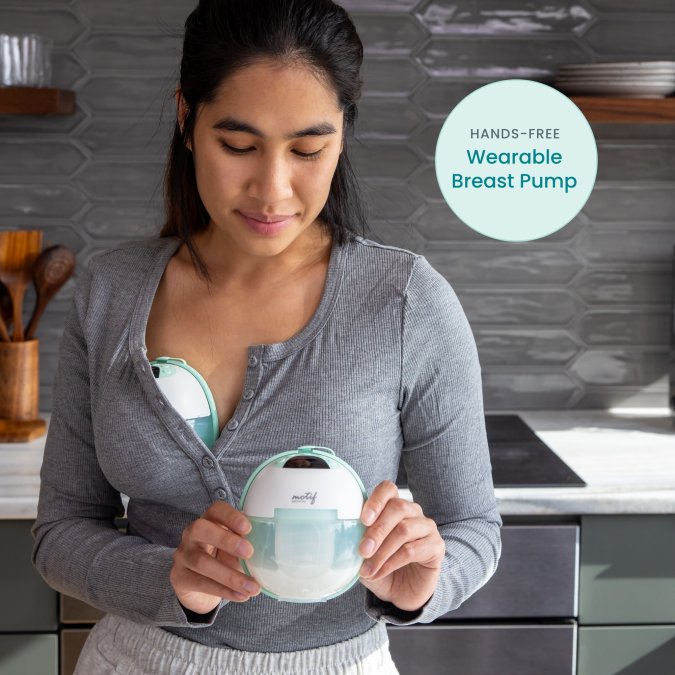
For TRICARE beneficiaries who need a hands-free breast pump, the same authorization logic applies. Breast pumps are commonly covered under maternity benefits when they are medically necessary and the correct documentation is on file.
When both items are handled together, the process is simpler: one authorization workflow, one shipment, one point of contact. That is the model we use. We obtain all the authorization from your insurance, then ship the breast pump and maternity back support to your home at no charge, with free shipping.
What You Will Need to Get Started
- Your prescription or provider’s documentation of medical need
- Your insurance information, including your specific plan
- A supplier who will coordinate directly with your provider and your plan
To see what your plan covers, check your insurance coverage with us and we will walk you through the next steps. If you have TRICARE and need a hands-free breast pump, an abdominal binder, or maternity back support, we handle the authorization, the billing, and the delivery, shipped to your home at no charge, with free shipping.
Start the authorization early. The documentation and review steps take time, and having your prescription ready before you contact a supplier is the single biggest thing you can do to speed things up.
Conclusion: Realistic Expectations for Your Recovery
A binder can make the first weeks after birth more comfortable, but it will not do the healing for you. Use it as support while your body does its work, follow your provider’s guidance on fit and duration, and stop if anything feels wrong.
If you have TRICARE and need a hands-free breast pump, an abdominal binder, or maternity back support, General Home Medical Supply can handle the authorization, the billing, and the delivery.
Frequently Asked Questions
What are the benefits of wearing an abdominal binder after birth?
An abdominal binder provides gentle compression that can ease discomfort, support your abdominal muscles, and reduce strain on your lower back as your body heals. Many people find it helps them move more comfortably in the early postpartum days, especially after a C-section. It is not a weight-loss tool and will not flatten your stomach on its own. Think of it as temporary support while your core and abdominal wall recover, not a replacement for rehabilitation or time.
How long should you wear an abdominal binder postpartum?
Most people wear a binder for short periods during the day, typically a few hours at a time, and remove it for sleep unless a doctor specifically says otherwise. The total duration varies based on your birth type, comfort level, and your doctor’s guidance. Some wear one for a week or two; others use it longer. Check in with your healthcare provider about a schedule that fits your recovery, and stop if you notice increased pain, numbness, or skin irritation.
Can you sleep in a postpartum abdominal binder?
Sleeping in a binder is generally not recommended unless your doctor advises it for a specific reason. Overnight wear can restrict circulation, press on your incision, or cause discomfort you may not notice while asleep. Most guidance suggests wearing it during waking hours when you are moving around and need the support. If you are unsure whether overnight wear is appropriate for your situation, ask your healthcare provider before trying it.
Are there risks to wearing a postpartum belly binder?
Yes, if worn too tight or for too long. Risks include skin irritation, restricted breathing, increased pressure on your pelvic floor, and delayed core muscle recovery if you rely on the binder instead of gradually rebuilding strength. Some people experience numbness or tingling. Postpartum binder safety means choosing the right size, wearing it snug but not restrictive, and taking it off if anything feels wrong. Always follow your doctor’s guidance.
Recovery looks different for every mother, and the paperwork should not be the hard part. General Home Medical Supply coordinates your prescription, secures insurance authorization, and delivers your abdominal binder, maternity back support, and hands-free breast pump to your door at no charge with free shipping. Get started with General Home Medical Supply and let us handle the details while you focus on you and your baby.