

Table of Contents
- Best Maternity Back Support for 2026: What Actually Helps
- Pregnancy Support Belt for Back Pain: What the Evidence Shows
- Maternity Support Belt Insurance Coverage: How to Get Yours Covered
- When to Wear a Maternity Support Belt (and When to Take It Off)
- How to Put On a Maternity Belt So It Stays Put
- Belly Bands, Pelvic Support, and Other Options Compared
- Sizing, Care, and Getting the Right Brace the First Time
- Conclusion: Choosing the Right Maternity Back Support
- Frequently Asked Questions
Last Updated: October 6, 2026
Best Maternity Back Support for 2026: What Actually Helps
The best maternity back support for 2026 fits your stage of pregnancy, matches your pain type, and stays put through a full day of walking, sitting, and lifting. At General Home Medical Supply, the belt matters less than the fit, and the paperwork matters more than both.
For Tricare members, a maternity back support belt is often covered as prescribed medical equipment, so the authorization step decides whether you pay anything at all. We handle that paperwork, get all the authorization from your insurance, and ship the maternity back support and your hands-free breast pump to your home at no charge, with free shipping.
Below: how to read support levels, what the evidence shows, how to wear a belt, and how to size one the first time.
How to Read Support Levels and Fit Features
Support level describes how much lift and compression a belt provides, not how “good” it is. A light belly band offers gentle bump support for round-ligament discomfort.
Look for four things on the label:
- Adjustable closures. Hook-and-loop fastening lets you tighten as your belly grows.
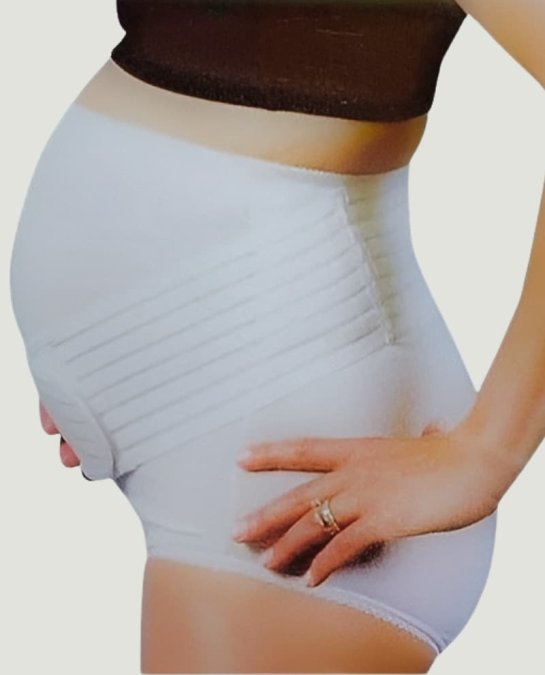
- Support panels. A three-panel support design distributes pressure instead of digging in.
- Breathable mesh. Elastic material traps heat; mesh panels keep you comfortable.
Pregnancy Support Belt for Back Pain: What the Evidence Shows
A pregnancy support belt for back pain is a therapeutic aid, not a cure. Many people report less discomfort during walking and daily activities, though the effect is modest. Lower-back pain often responds to a belt that lifts the bump, but pelvic, hip, and tailbone pain respond differently, and a belt worn too low can worsen pelvic pressure.
Wearing a belt too tight for long stretches can increase pressure on your pelvic floor and cause stomach discomfort. If you feel numb, short of breath, or more pelvic pain after an hour, loosen it or take it off.
A belt is one part of a plan that may also include physical therapy, a coccyx cushion, and posture work. Talk to your OB or midwife about your pain pattern.
Maternity Support Belt Insurance Coverage: How to Get Yours Covered
Maternity support belt insurance coverage usually depends on three things: a prescription from your provider, a supplier that works with your plan, and a diagnosis code supporting medical necessity. If one is missing, the claim stalls. Most plans treat a maternity back support belt as durable medical equipment (DME), so it clears a different review than a routine prenatal visit.
What the Paperwork Actually Requires
A clean authorization packet usually includes:
- A written prescription from your OB, midwife, or physical therapist that names the item and the reason it is needed.
- A diagnosis code that reflects your specific pain pattern, lower-back pain, pelvic girdle pain, and round-ligament discomfort are coded differently, and the code has to match the note.
- Chart notes showing the pain is pregnancy-related and that conservative measures (positioning, stretching, activity changes) have been tried or are not appropriate.
A common pattern: the prescription says “maternity support” without a supporting diagnosis, and the plan sends it back, a gap that can add weeks.
Why Tricare Members Should Start Here
For Tricare members, the process is simpler than most expect. We coordinate the prescription with your provider, submit for authorization, and confirm what your plan will cover before anything ships. If approved, the maternity back support and your hands-free breast pump arrive at your home at no charge, and shipping is free. We handle the billing so you can focus on the pregnancy.
A few practical notes for Tricare households:
- Start early. The second trimester is the right window, early enough that the belt arrives before the third-trimester pain peak, late enough that your provider can document a real pain pattern.
- Keep your referral and authorization numbers together. If a question comes up later, you will want them in one place.
- Ask about the breast pump at the same time. Tricare covers a hands-free breast pump on its own schedule, and bundling the request with the back support means one authorization conversation instead of two.
Start the authorization request in your second trimester, not the week you’re due. It gives your provider time to sign the prescription and your plan time to process, so the belt is in your closet before you need it.
What to Do If Coverage Is Denied
Denials are usually about documentation, not eligibility, a missing diagnosis code, a prescription that does not name the item specifically, or a note that does not describe the pain pattern. We go back to your provider for the missing piece and resubmit; you do not have to start over. If you are not sure whether your plan treats the belt as DME or as a maternity benefit, ask first, the answer changes which paperwork path applies.
When to Wear a Maternity Support Belt (and When to Take It Off)
Wear a maternity support belt during activity, not around the clock: put it on before you stand, walk, or lift, and take it off when you rest.
Good times to wear one:
- Long walks or errands that keep you on your feet
- Work shifts that involve standing or repeated bending
- Exercise your provider has approved
Take it off for sleep, long stretches of sitting, and any time it feels uncomfortable. Many people need it daily in the third trimester and only occasionally in the second. If you’re unsure whether a belt is right for you, ask your provider before wearing one.
How to Put On a Maternity Belt So It Stays Put
Put on a maternity belt lying on your back or standing in front of a mirror, position it low on your hips and under the belly, then fasten the closures from the bottom up. Most belts slide down because they’re placed too high or tightened unevenly.
Step by step:
Check Your Insurance Coverage →
- Lie on your back with your knees bent, or stand and lean slightly back.
- Slide the belt under your belly, with the bottom edge sitting on or just below your hip bones.
- Fasten the lowest closure first, then work upward.
- Tighten until you feel gentle lift, not pressure. You should be able to slide two fingers under the edge.
- Stand and check the mirror. The belt should cradle the bump, not ride above it.

Belly Bands, Pelvic Support, and Other Options Compared
Different support types solve different problems. A pregnancy belly band is the lightest option, a maternity support belt adds lift, and a pelvic support band sits lower to stabilize the hips.
| Support Type | Where It Sits | Best For | Support Level |
|---|---|---|---|
| Pregnancy belly band | Over the bump | Mild bump support, light compression | Light |
| Maternity support belt | Under the belly, on the hips | Lower-back support, belly lift | Moderate |
| Pelvic support band | Across the hips, below the bump | Pelvic and hip pain | Firm, targeted |
| Abdominal binder | Around the waist | Postpartum abdominal support | Firm |
| Lumbar cushion | Behind the lower back, in a chair | Sitting and desk work | Supportive, not worn |
A brace and a cushion are not either-or. If your job keeps you seated, a lumbar cushion paired with a belt for walking covers both halves of the day.
Sizing, Care, and Getting the Right Brace the First Time
Sizing is the biggest reason a belt gets returned, and the easiest problem to avoid.
How to Measure
Use a soft tape measure over light clothing.
- Hip measurement. Wrap the tape around the widest part of your hips, usually where your hip bones sit. Keep the tape level all the way around, a tape that dips in back will read small.
- Belly measurement. Measure around the widest point of your bump, typically at or just below the navel in the second trimester and higher in the third.
- Match to the manufacturer’s chart, not your clothing size. A size medium in maternity jeans has no relationship to a size medium belt.
Measure in the afternoon, bellies measure larger later in the day, and a morning measurement runs small.
Fit Checks That Tell You It Is Right
A correctly fitted belt passes four checks:
- Two-finger rule. You can slide two fingers under the bottom edge without forcing them.
- No riding up. The belt cradles the bump from underneath and does not creep above it when you walk.
- No numbness or tingling. If your legs tingle or your skin goes numb, it is too tight or sitting on a nerve.
Sizing Across Pregnancy Stages
Your body changes shape faster than most expect. A belt that fits at 28 weeks will not fit at 36. Two approaches work:
- Size up if you are between sizes. You will need the room in a few weeks, and a slightly loose belt can be tightened with the closures.
- Buy for the size you will be in four weeks from now, not the size you are today, the single most useful rule for avoiding a mid-pregnancy reorder.
If you are carrying twins or have polyhydramnios, expect to size up earlier and need a wider adjustment range.
Wearability in Real Situations
A belt that works on a walk may not work at a desk:
| Situation | What Works | What to Watch |
|---|---|---|
| Walking and errands | Structured belt with lumbar panel | Riding up over the bump |
| Sitting at a desk | Lumbar cushion, belt loosened or off | Pressure on the belly when seated |
| Exercise (provider-approved) | Light band or pelvic support band | Overheating under the band |
| Standing shifts | Belt with wide back panel | Digging at the hip bones |
| Sleep | No belt | Any belt worn overnight |
A brace and a cushion are not either-or. If your job keeps you seated, a lumbar cushion paired with a belt for walking covers both halves of the day.
Care and Durability
- Hand wash in cool water and air dry. Heat breaks down elastic and hook-and-loop fastening, and a dryer shortens the belt’s useful life.
- Check the closures monthly. Frayed fasteners are why belts stop staying put.
- Inspect the seams where the panels meet the elastic.
Buy for the size you’ll be in four weeks from now, not the size you are today. A belt that fits at 28 weeks will not fit at 36.
If you’re working through insurance, you don’t need to guess at sizing alone. We confirm what your provider prescribed and match it to the correct product before it ships.
Conclusion: Choosing the Right Maternity Back Support
The hardest part of maternity back support isn’t picking a belt. It’s getting the prescription, authorization, and right size sorted before your due date.
General Home Medical Supply takes that off your plate. We coordinate with your provider, handle the insurance authorization and billing, and ship your maternity back support and hands-free breast pump directly to your home at no charge, with free shipping.
Check Your Insurance Coverage with General Home Medical Supply and get the support you need delivered before you need it.
Frequently Asked Questions
Is a pregnancy back brace covered by insurance?
Many plans, including Tricare, cover a maternity support belt when a physician or midwife documents a medical need such as lower-back or pelvic pain. Coverage depends on your specific plan and authorization requirements. General Home Medical Supply handles the prescription coordination and insurance authorization for you, then ships the brace and a hands-free breast pump to your home at no charge, with free shipping.
When should you start wearing a maternity support belt?
Most people start in the second trimester, once a provider confirms the pregnancy and discomfort begins to limit daily activities like walking or standing for long periods. Some start earlier if a provider recommends it for pelvic or hip pain. When to wear a maternity support belt is an individual decision, so check with your OB or midwife before you begin.
How long can you wear a pregnancy support belt each day?
There is no single daily limit that fits everyone. Many people wear a belt during activities that trigger discomfort, such as walking, standing, or chores, and remove it when sitting or resting. Take it off if you feel numbness, tingling, increased pressure, or skin irritation, and talk to your provider about a schedule that works for your pregnancy stage.
Can a maternity support belt help with lower back discomfort?
A support belt can reduce discomfort for some people by lifting the belly and supporting the lower back, but results vary and a belt is not a cure. Evidence quality is mixed, so treat it as one part of a broader plan that may include posture changes, rest, and guidance from your provider. If pain is severe or worsening, contact your OB or midwife.