
Last Updated: October 23, 2026
Quick Summary
Yes, pumping hurt at first is common and usually normal, since the first few sessions bring a pulling, tugging sensation as your breast tissue and nipple adjust to the pump. Most early soreness fades once your body adapts and your pump setup fits correctly. Pain that continues past the first week or gets worse usually points to a fixable problem like flange size or suction.
- A flange that fit in the hospital may pinch by week three, so recheck your size every few weeks.
- Start on low suction and raise it one notch at a time until flow begins, never starting high.
- Warm the flange against your skin for a minute before pumping so the nipple does not retract and drag.
- After pumping, apply a drop of expressed milk, air-dry fully, and check the nipple for cracks or blanching.
- Call a doctor or lactation consultant if pain is severe or comes with fever, redness, or flu-like symptoms.
Table of Contents
- Does Pumping Hurt at First? What New Mothers Should Expect
- Common Causes of Pumping Pain
- How to Find the Right Breast Pump Flange Size
- Why Your Nipples Are Sore After Pumping
- How to Make Pumping More Comfortable
- Hands-Free Breast Pump Options and Insurance Coverage
- When to Call a Doctor or Lactation Consultant
- Conclusion
- Frequently Asked Questions
Does Pumping Hurt at First? What New Mothers Should Expect
Yes, pumping hurt at first is common, and that early discomfort is normal.
Here is the part most guides skip: pain that keeps up past the first week, or pain that gets worse, usually points to a fixable problem.
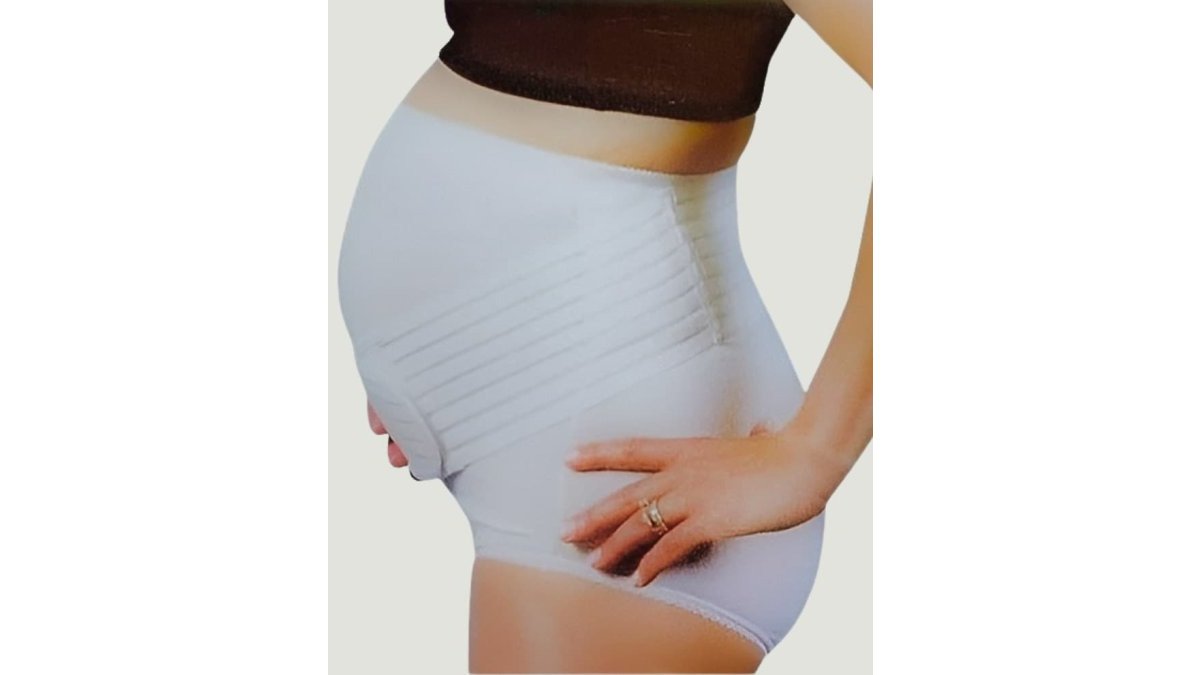
At General Home Medical Supply, we help TRICARE families get a hands-free breast pump and maternity back support shipped to their home at no charge, with free shipping.
Common Causes of Pumping Pain
Pain during pumping almost always traces back to fit, suction, or friction. The Office on Women’s Health breastfeeding guidance notes that correct pump fit and technique matter for comfort and milk supply.
Here are the usual culprits:
- Wrong flange size. A tunnel that is too small pinches the nipple. Too large pulls in the areola.
- Suction set too high. More vacuum does not mean more milk. It means more sore nipples.
- Off-center placement. The nipple should sit centered in the tunnel, not rubbing a wall.
- Worn parts. Stretched valves and old tubing weaken suction, so you crank it up.
- Long sessions. Pumping far past let-down drains comfort without adding output.
Fit Problems, Friction, and Suction
Friction is the quiet cause. When the tunnel rubs the nipple with each cycle, skin breaks down over repeated sessions.
Suction strength works best at the lowest setting that still pulls milk. Start low, then raise it one notch at a time until flow begins. If it stings, you have gone too far.
Most early pumping pain traces back to one of these fixable causes.
| Problem | Cause | Fix |
|---|---|---|
| Pinching at the tunnel | Flange too small | Size up the flange |
| Areola pulled into tunnel | Flange too large | Size down the flange |
| Sore nipples | Suction set too high | Start low, raise one notch at a time |
| Rubbing or scraping | Nipple off-center in tunnel | Center the nipple in the tunnel |
| Weak suction | Stretched valves and old tubing | Replace worn parts |
| Discomfort over time | Pumping far past let-down | Shorten sessions |
How to Find the Right Breast Pump Flange Size
The right flange size lets the nipple move freely in the tunnel with little or no areola pulled in. Most pump kits ship with one or two sizes, and many mothers need something different, a mismatch here is the single most common cause of early pumping pain.
Why fit fails more often than you think
Flange sizing is not one-and-done. Nipple diameter changes across the first weeks as milk comes in and swelling settles, and it can shift again if you switch pump brands, since tunnel shapes and angles differ between manufacturers. A flange that fit in the hospital may pinch by week three. That is why a recheck matters more than any single measurement.
Step-by-step flange fit check
- Measure before pumping. Use a ruler or the sizing guide that came with your pump to measure the nipple base diameter straight across, not around, while the nipple is at rest. Do not measure after a session, when tissue is swollen.
- Add a small allowance. The tunnel should clear the nipple by roughly a millimeter or two so it does not rub, but not so much that areola gets pulled in.
- Attach and center. Seat the flange so the nipple sits in the middle of the tunnel, not pressed against a wall.
- Pump on low for one minute. Watch how the nipple moves. It should glide, not scrape.
- Check for the two failure signs. Pinching or blanching at the tunnel edge means size down is wrong, go up. Areola disappearing into the tunnel means the opening is too large, go down.
- Recheck every few weeks. Repeat the measurement after the first month and again if suction feels different.

The self-check that catches most problems
Look at the nipple after you remove the flange. If it comes out pinched, creased, or white at the tip, the tunnel is too small.
A quick rule many lactation consultants use: the nipple should move freely without touching the sides, and no more than a small rim of areola should enter the tunnel. That single fix resolves more sore nipples than any cream.
When to ask for help
If you have tried two sizes and still see pinching or areola drag, a lactation consultant can measure and observe a session in one visit. Many pump manufacturers also publish printable sizing guides, and some insurance plans cover a fitting consultation. Getting the size right early prevents the friction damage that builds over weeks.
Why Your Nipples Are Sore After Pumping
Sore nipples after pumping usually mean friction, suction, or a worn part, not a sign you are doing something wrong. The CDC breastfeeding and pump hygiene guidance also stresses clean parts, since irritation and infection can start with contaminated equipment.
Watch for these patterns:
- Cracked or bleeding skin points to fit or suction problems.
- Blisters often come from friction at the tunnel edge.
- Pain that lingers between sessions can signal nipple trauma.
- Clogged ducts or engorgement feel like firm, tender lumps.
Worn valves and shields are a hidden cause. If parts are stretched or cloudy, suction drops and you compensate by turning it up. Insurance often covers replacement parts, so check before you buy.
Check Your Insurance Coverage →
How to Make Pumping More Comfortable
Comfort comes down to setup, timing, and small habits, but the piece most guides skip is what you do after the pump comes off. Post-pumping care is where soreness either settles or compounds into damage. A review of breastfeeding support research supports hands-on help from a trained professional when pain persists.
Before and during: setup habits that prevent pain
- Size the flange correctly and recheck it every few weeks.
- Start on low suction and raise it one notch at a time until flow begins, never start high to “get it over with.”
- Use a nipple-safe lubricant or a thin layer of expressed milk on the tunnel wall to cut friction.
- Pump both sides at once to shorten total session time.
- Take a short break if it stings, then restart lower.
After: a post-pumping care routine
The minutes after you remove the flange are when tissue recovers. A simple routine helps:
- Apply a drop of expressed milk to the nipple and let it air-dry. Breast milk has properties that soothe skin.
- Air-dry fully before putting a bra or pad back on, trapped moisture softens skin and invites irritation.
- Use a nipple balm if skin feels raw. Look for one that does not need to be wiped off before the next feed or pump.
- Try a cool compress for a few minutes if the nipple feels hot or swollen after a session.
- Check the nipple for new cracks, blisters, or blanching, early signs that fit or suction needs adjusting.
Stretching versus damage: how to tell the difference
Early pumping discomfort is often a stretching sensation as tissue adjusts. That is different from damage. Use this quick comparison:
- Stretching (expected early on): a pulling or tugging feeling during the session that fades within minutes of removal, with skin that looks normal afterward.
- Damage (needs a fix): pain that lingers between sessions, cracked or bleeding skin, blisters at the tunnel edge, or a nipple that stays white or creased after pumping.
If you are in the damage column, stop and check flange size and suction before the next session. Pushing through sharp pain to “toughen up” the nipple makes damage worse.
If you are new to pumping, our step-by-step guide to pumping milk for beginners covers setup and technique from the first session.
Warm the flange against your skin for a minute before you start. A cold shield makes the nipple retract and the tunnel drag, which is a common reason the first minutes hurt.
Post-pumping care is not optional. Air-dry, apply expressed milk or balm, and check the nipple for damage signs after every session, it is the fastest way to tell whether your pain is normal stretching or a setup problem that needs fixing.
Hands-Free Breast Pump Options and Insurance Coverage
A hands-free pump lets you pump without holding the flanges, usually with a pumping bra or a wearable unit. Insurance coverage varies by plan, and TRICARE members have specific rules for pumps and supplies.
We take the guesswork out of it.
To see what your plan allows, read whether insurance can cover a hands-free breast pump, or go straight to the TRICARE hands-free breast pump coverage guide for plan details.
When to Call a Doctor or Lactation Consultant
Call a doctor or lactation consultant if pain is severe, does not improve after fixing fit and suction, or comes with fever, redness, or flu-like symptoms.
Reach out when you notice:
- Fever, chills, or a hot, red area on the breast
- Cracked skin that bleeds or will not heal
- Pain that lasts the whole session
- A firm, painful lump that will not clear
- Low output that does not improve
A lactation consultant can check flange fit and pump settings in one visit. For the bigger picture of what is normal, our postpartum recovery guide for first-time moms walks through the weeks after birth.
Pushing through sharp pain to “toughen up” the nipple makes damage worse. Stop, lower the suction, and check the flange size before your next session.
Conclusion
Pumping pain at first is normal, but pain that lingers is a signal, not a sentence. Fix the flange size, lower the suction, and replace worn parts, and most soreness clears.
If you have TRICARE and need a hands-free pump, we handle the authorization and ship your breast pump and maternity back support to your home at no charge, with free shipping.
Frequently Asked Questions
Does pumping hurt the first time?
Some mild discomfort or tugging is common during the first few pumping sessions as your breasts adjust, but sharp pain is not normal. If pumping hurt sharply on the first try, the cause is usually a flange that is too small or too large, suction set too high, or a poor seal that causes friction. Check your breast pump flange size, start on the lowest suction strength, and speak with a lactation consultant if pain continues past the first few sessions.
Why are my nipples sore after pumping?
Nipples sore after pumping usually comes from friction inside the flange tunnel, suction that is too strong, or sessions that run too long. Cracked nipples, blisters, or bleeding are signs of nipple trauma and need attention right away. Try a larger flange, lower vacuum pressure, and a pump-safe lubricant. If soreness does not improve within a few days, contact a lactation consultant to review your setup.
How do I know if my breast pump flange size is correct?
A correct breast pump flange size lets your nipple move freely in the tunnel without rubbing the sides. After a pumping session, your nipple should not look pinched, blanched, or creased. Measure your nipple diameter before pumping and add a few millimeters for the tunnel. Many pump kits include multiple sizes, and a lactation consultant can confirm fit if you are unsure.
Can a hands-free breast pump cause more pain?
A hands-free breast pump does not cause pain on its own, but a loose fit or a bra that presses the flange off-center can lead to friction and sore nipples. Make sure the flange sits centered, the bra holds it snugly without squeezing, and suction stays at a comfortable level. If you use Tricare insurance, General Home Medical Supply handles the authorization and ships a hands-free pump and maternity back support to your home at no charge, with free shipping.
