
Last Updated: October 28, 2026
Quick Summary
Pregnancy lumbar support is a wearable brace or band that stabilizes the lower back and pelvis as the belly grows, and it matters most in the second and third trimester. For TRICARE moms, we get all the authorization from your insurance and ship the maternity back support to your home at no charge, with free shipping.
- A belt that fit at week 24 may not fit at week 34, so choose adjustable fit with a secure Velcro closure.
- Put the belt on while lying down or seated, before the belly bears full weight.
- You should be able to slide a flat hand under the band when it is fastened.
- Loosen or remove the belt if you feel tingling, numbness, or see skin breakdown, and tell your provider.
- Letting the supplier run authorization before anything ships avoids denials and partial payments.
Table of Contents
- Why Pregnancy Lumbar Support Matters in the Second and Third Trimester
- Finding Pregnancy Lumbar Support Near Me: Local vs. Home Delivery
- Maternity Support Belt Insurance Coverage and Maternity Belt Prescription
- How to Fit a Maternity Support Belt for All-Day Comfort
- TRICARE Hands-Free Breast Pump: What Nursing Moms Should Know
- Support Types Compared: Belly Bands, Pelvic Belts, and Lumbar Braces
- When Back Pain Needs Medical Assessment
- Check Your TRICARE Coverage for a Breast Pump and Back Support
- Frequently Asked Questions
Why Pregnancy Lumbar Support Matters in the Second and Third Trimester
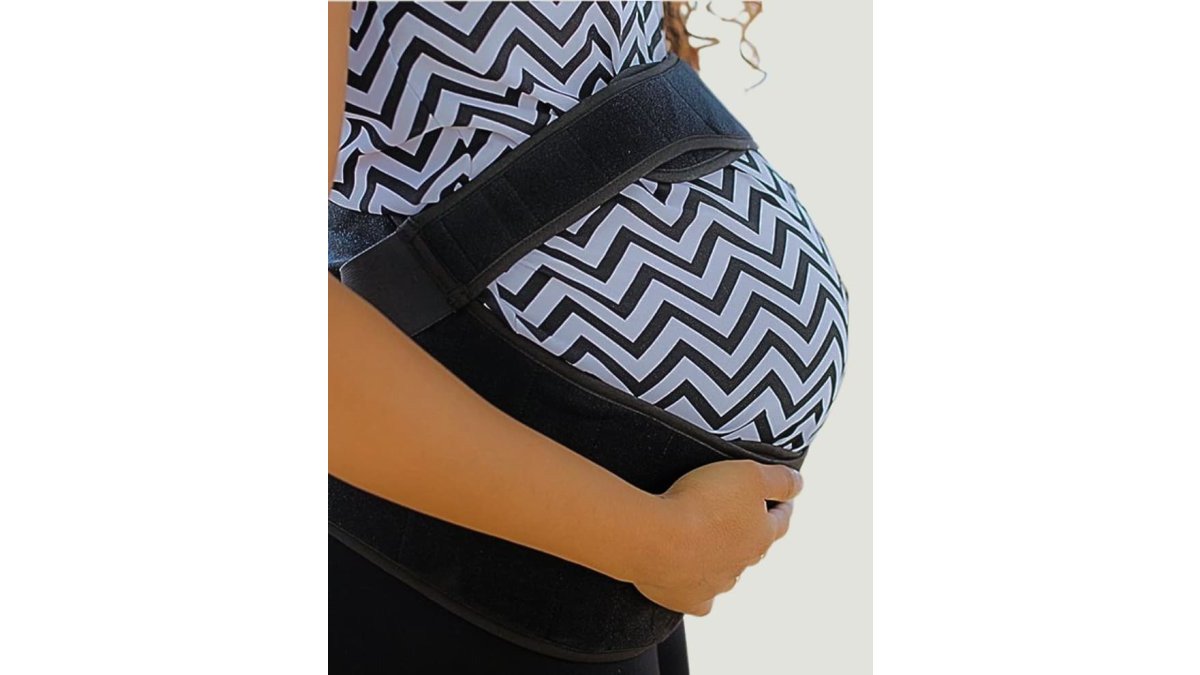
Pregnancy lumbar support is a wearable brace or band that stabilizes the lower back and pelvis as the belly grows, and it matters most in the second and third trimester, when your shifting center of gravity loads the lower back and pelvic joints all day.
How a Maternity Belt Relieves Lower-Back and Pelvic Pressure
Two mechanisms do most of the work:
Neither mechanism is a cure. A support garment reduces symptoms while you wear it; it does not tighten ligaments or reverse the normal changes of pregnancy.
Finding Pregnancy Lumbar Support Near Me: Local vs. Home Delivery
Searching for pregnancy lumbar support near me usually means one of two things: you want to try a brace on today, or you want one delivered without another errand. The trade-off is speed versus coverage.
How to Search Locally and Verify Before You Go
A map search for “maternity belt” or “pregnancy back brace” returns pharmacies, medical supply stores, chiropractic offices, and prenatal clinics, but most listings do not say whether the item is in stock, whether staff can fit it, or whether the store bills insurance. Call ahead and ask:
- Do you stock maternity support belts or pelvic support bands in more than one size today?
- Can someone fit the belt on me in person, and do I need an appointment?
- Do you bill insurance directly, or would I pay out of pocket and seek reimbursement?
- What is your return or exchange policy if the fit is wrong?
What In-Person Fitting Actually Gets You
The drawbacks are practical: retail shelves carry a limited size range, the person fitting you may not fit belts often, and insurance billing at a counter is usually an afterthought. For a TRICARE family, a store that does not bill your plan turns a covered item into an out-of-pocket purchase.
The Delivered-and-Billed Path
For TRICARE families, we get all the authorization from your insurance and ship the maternity back support to your home at no charge, with free shipping.
A Practical Way to Decide
If you want the full picture on getting maternity lumbar support covered and delivered, our guide on how to get maternity lumbar support covered walks through the same steps we use for our own customers.
Maternity Support Belt Insurance Coverage and Maternity Belt Prescription
That third step is where most of the frustration lives. A common mistake is ordering from a retailer first and seeking reimbursement later, which usually ends in a denial or partial payment. Letting the supplier run authorization before anything ships is the difference between a covered belt and a receipt you cannot use.
Getting Your Maternity Belt Prescription to the Right Supplier
If you are weighing a maternity support belt specifically, our article on getting a maternity support belt covered covers the prescription and coverage details, and the insurance-covered maternity brace guide lays out the current steps from prescription to delivery. At General Home Medical Supply, we handle the authorization and billing.
How to Fit a Maternity Support Belt for All-Day Comfort
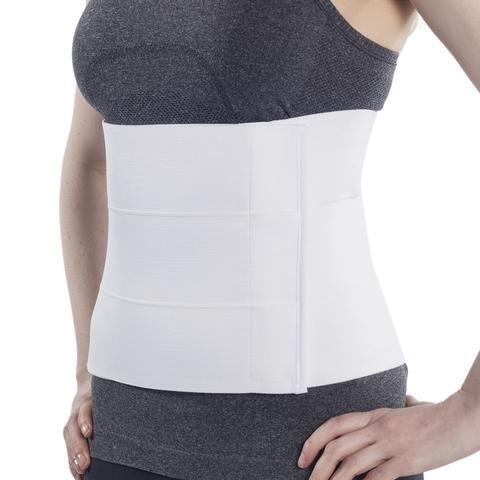
Fitting a maternity support belt correctly comes down to position, tension, and wear time. A belt that is too high or cinched too tight causes more discomfort than it prevents, and a loose belt does nothing at all. The goal is a band that shares the belly’s load without pressing on nerves or skin.
Check Your Insurance Coverage →
Step-by-Step Fitting Checklist
- Put the belt on while lying down or seated, before the belly is bearing full weight.
- Position an under-belly band low, cradling the bump from underneath rather than across the middle.
- Position a pelvic belt across the front of the hips, below the bump, not over it.
- Fasten the Velcro closure snug but not tight. You should be able to slide a flat hand under the band.
- Stand and walk. If the belt rides up or digs in, readjust the position, not the tension.
- Sit, stand, and climb stairs to check that the band stays put through normal movement.
- Check your skin for redness or pressure points at the end of the day.
Wear Time and Comfort Checks
Check in with yourself at these moments:
- After ten minutes of wear. Does the band stay in place, or has it migrated up over the bump?
- After an hour. Any tingling, numbness, or deep marks? Those are signs of too much tension.
- At the end of the day. Look for red lines or skin breakdown where the band pressed.
How Fit Changes Across Pregnancy Stages
A belt that fit at week 24 may not fit at week 34. As the belly grows, you will likely need to reposition an under-belly band lower and readjust the closure. Adjustable fit with a secure Velcro closure matters here, because a band that grows with you saves you from buying a second belt in the third trimester. If you are carrying low or expecting multiples, you may need a wider band or a combination of an under-belly band and a pelvic belt.
Warning Signs to Stop and Call Your Provider
Watch out: tightening the belt to the point of numbness, tingling, or skin breakdown defeats the purpose. If a band leaves deep marks, you feel tingling down a leg, or the skin under the band breaks down, loosen it or take it off and mention it to your provider. Stop using the belt and contact your provider if you notice:
- Numbness, weakness, or loss of feeling in a leg
- Regular cramping or contractions alongside the back pain
- Severe or sudden back pain that does not ease with rest or a support belt
- Back pain with fever, chills, or burning with urination
A support belt is a tool for symptom relief while you wear it, not a substitute for medical assessment when something feels wrong.
TRICARE Hands-Free Breast Pump: What Nursing Moms Should Know
We get all the authorization from your insurance, then ship the breast pump and the maternity back support to your home at no charge, with free shipping.
If you want the specifics on the pump side, our page on getting a free hands-free breast pump with TRICARE explains how the coverage works.
Support Types Compared: Belly Bands, Pelvic Belts, and Lumbar Braces
| Support Type | What It Does | Best For | Watch For |
|---|---|---|---|
| Under-belly band | Cradles and lifts the bump | Abdominal support, daytime walking | Rides up if fitted too high |
| Pelvic support belt | Compresses the hips and SI joint | Pelvic pain and pressure | Too much tension causes tingling |
| Maternity back brace | Supports the lumbar spine | Lower-back pain on long standing days | Bulk under clothing |
| Postpartum recovery wrap | Gentle abdominal compression after birth | Postpartum support | Not a substitute for pelvic floor care |
If you are still comparing categories, our buying guide for the best maternity back support breaks down how to choose between them.
When Back Pain Needs Medical Assessment
The American College of Obstetricians and Gynecologists publishes patient guidance on managing common pregnancy discomforts, and the National Institute of Child Health and Human Development is a reliable source for pregnancy health information. For the TRICARE benefit itself, check the TRICARE official site for current coverage details, since benefit rules can change.
Check Your TRICARE Coverage for a Breast Pump and Back Support
General Home Medical Supply handles prescription coordination, insurance authorization, and billing, then ships your breast pump and maternity back support to your home at no charge with free shipping. Get started with General Home Medical Supply and let us check your coverage.
Frequently Asked Questions
Does TRICARE cover maternity back support and a hands-free breast pump?
General Home Medical Supply handles prescription coordination and insurance authorization, then ships your breast pump and maternity back support to your home at no charge, with free shipping. Check your plan details to confirm your specific benefits before ordering.
How do I get a maternity support belt through insurance?
General Home Medical Supply handles prescription coordination and insurance authorization and ships products directly to your home. Check your insurance coverage before ordering.
How should a pregnancy support belt fit?
A maternity belt should sit low, under your belly and across the hips, with the back panel supporting your lumbar area. It should feel snug but not restrictive: you should be able to slide a finger under the edge and breathe comfortably. Adjust the Velcro closure as your belly grows, and wear it for shorter periods at first. If you feel numbness, tingling, or increased pain, loosen it or stop wearing it and talk to your provider.
Can maternity back support and a breast pump be shipped to my home?
Yes. We ship your maternity back support and breast pump directly to your home with free shipping.
