
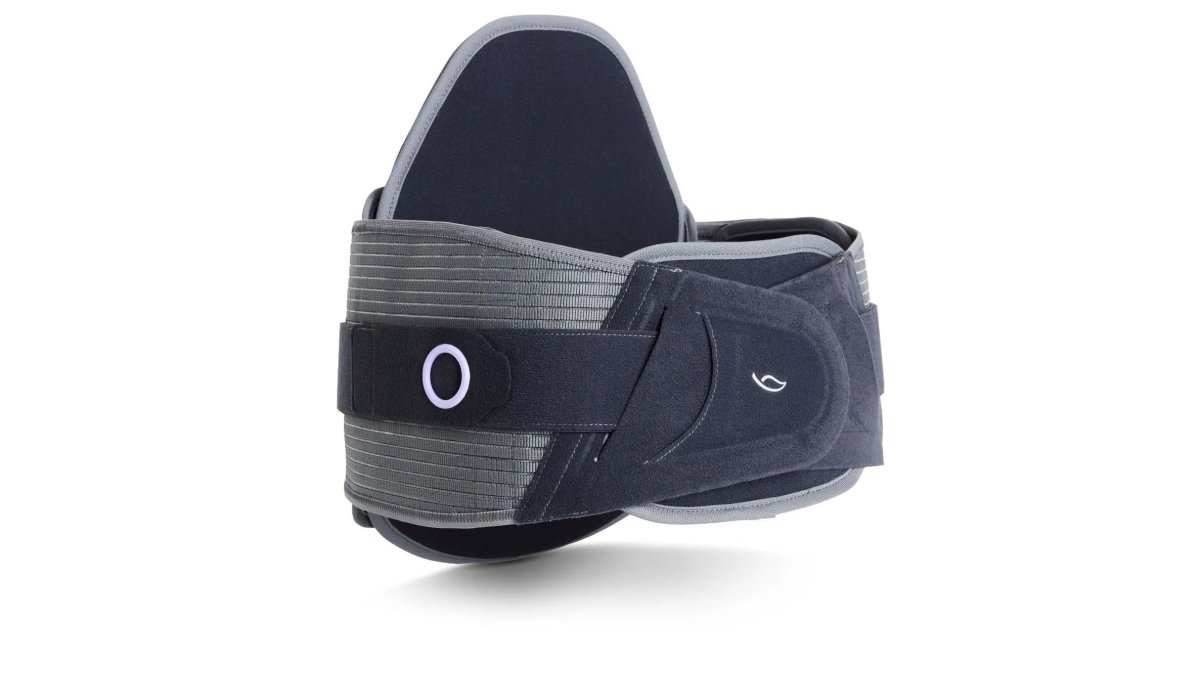
Last Updated: November 18, 2026
Quick Summary
A belly support band lifts the weight of your bump off your lower back, hips, and pelvic floor, and it works best when it sits low on the pelvis and lifts upward. It is a comfort tool, not a treatment, so it will not fix diastasis recti or cure sciatica. Start wearing one in the second trimester, once you feel heaviness after a normal day on your feet.
- Measure your hip and bump circumference and compare them to the brand’s size chart, not your pre-pregnancy size.
- Re-measure every four to six weeks in the third trimester and adjust the closure rather than buying a new band.
- If the band rolls down at the top, lower it below the bump’s widest point and tighten one notch.
- Read three-star pregnancy belly band reviews for repeated fit and durability complaints instead of the star average.
- Under TRICARE, maternity support items may be covered when prescribed, depending on your plan and documentation.
Table of Contents
- Why a Belly Support Band Helps, and Where It Stops Helping
- Mistake 1: Wearing It Too Early or Too Late
- The Best Belly Band for Pregnancy Back Pain Supports the Right Spot
- The Best Belly Band for Pregnancy Pelvic Pain Sits Lower Than You Think
- Mistake 2: Ignoring Fit, Sizing, and Adjustability
- Pregnancy Belly Band Reviews: How to Read Them Without Getting Fooled
- Getting a Belly Band for Pregnancy With Insurance Through TRICARE
- Check Your TRICARE Coverage With General Home Medical Supply
- Frequently Asked Questions
Why a Belly Support Band Helps, and Where It Stops Helping
A belly support band for pregnancy is a wide, adjustable wrap worn under or over clothing to lift the weight of a growing bump off your lower back, hips, and pelvic floor.
Here is the honest version most product pages skip: a belly support band is a comfort tool, not a treatment.
Used correctly, a band can ease downward pelvic pressure during activity. The catch is that “correctly” is where many people go wrong.
Mistake 1: Wearing It Too Early or Too Late
The biggest timing error is buying one at eight weeks because a friend swore by hers. Early in pregnancy, there is no bump weight to redistribute, and a band worn too soon mostly just feels restrictive.
The second trimester is the usual starting point, once you feel heaviness in your pelvis after a normal day on your feet.
Not sure where you fall? Our guide on how to know when to start a pregnancy support belt walks through the signs that it is time.
The Best Belly Band for Pregnancy Back Pain Supports the Right Spot
The best belly band for pregnancy back pain sits low on the pelvis and lifts upward, cradling the underside of the bump rather than squeezing its middle. Placement matters a great deal.
A band riding too high pushes pressure into your ribs and diaphragm. One riding too low slips under the bump and does nothing.
Belly band versus maternity belt is a real distinction, and picking the wrong style is common. If you are torn between them, our maternity belt versus belly band comparison breaks down which style suits which symptom.
The Best Belly Band for Pregnancy Pelvic Pain Sits Lower Than You Think
For pelvic pain, especially that aching, heavy feeling at the front of the pelvis, the band needs to sit lower than most people expect. Think of it as a hammock under the bump, not a corset around it.
Pelvic support works by compressing the front of the pelvis slightly and lifting the bump’s weight away from the pelvic joints. A band positioned at hip-bone level, snug but not tight, does this well.
Match the band to the symptom, not the label
Most buying guides sort bands by brand or price. A more useful approach is to sort by what you actually feel and what you are trying to do. The table below maps common pregnancy discomforts to the band style and placement that tends to help most.
| What you feel or do | Band style to try | Placement | What it does |
|---|---|---|---|
| Downward heaviness at the front of the pelvis | Wide belly band with a low pelvic panel | Hip-bone level, lifting upward | Lifts bump weight off the pelvic joints |
| Lower-back ache after standing or walking | Maternity support belt with a crossed back panel | Low on the hips, back panel across the lumbar curve | Adds lumbar compression and reminds you to brace |
| Pelvic girdle pain (pain at the pubic bone or across the hips) | Firmer maternity support belt, sometimes with a groin strap | Snug at the hips, not pulled high | Stabilizes the front of the pelvis |
| Long days at a desk | Soft, wide belly band | Low and loose enough to sit comfortably | Reduces slouching and takes pressure off the lower back |
| Walking or exercise | Breathable, low-profile band with secure closure | Hip level, checked before you start | Keeps the band from riding up during movement |
| Postpartum recovery | Abdominal binder (different product) | Around the abdomen, per your provider’s guidance | Supports recovery rather than a bump |
This is the angle most roundups skip: the “best” band depends on whether your main complaint is pelvic pressure, back ache, or activity-specific slipping.
Belly band versus maternity belt: which symptom fits which
Belly band versus maternity belt is a real distinction, and picking the wrong style is common. A maternity support belt uses firmer, narrower strapping for targeted pelvic support. A belly band is softer and wider for all-day comfort. If pelvic pressure is your main complaint, start with a low-riding belly band; if pelvic girdle pain or back ache dominates, a firmer maternity belt is often the better first try.
Safety and when to check with your provider
A band is a comfort tool, not a treatment. A correctly fitted band may help with activity-related discomfort; it is not expected to relieve pain that is constant at rest. Stop wearing the band and contact your maternity care provider if you notice:
- Sharp, one-sided, or worsening pain
- Tingling, numbness, or weakness in your legs
- Skin breakdown, rash, or deep marks that do not fade after removal
Watch out: if the band leaves red marks or you feel tingling in your legs, it is too tight or too high. Loosen it and reposition before you wear it again.
Mistake 2: Ignoring Fit, Sizing, and Adjustability
Fit is the mistake that quietly ruins the whole purchase. A band that is too small digs in and restricts breathing; one that is too large slides down with every step.
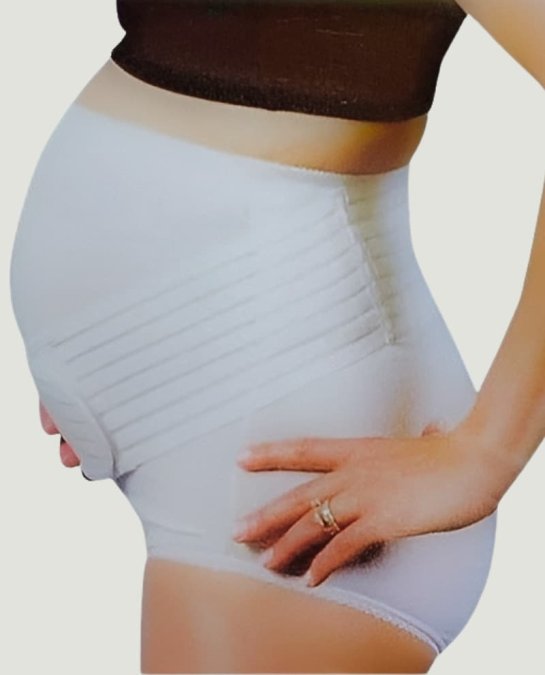
How to measure for a belly support band
Measure before you order. Use a soft tape measure and take two readings:
- Hip circumference: around the widest part of your hips, usually at the level of the hip bones, not the belly button.
- Bump circumference: around the fullest part of your bump, typically two to three inches below the belly button in the second and third trimester.
Write both numbers down and compare them to the brand’s size chart, not your pre-pregnancy size. Most bands are sized by hip measurement because the band anchors at the pelvis and lifts upward. If you fall between sizes, consider the brand’s sizing guidance.
How fit changes across trimesters
A band that fit well at 24 weeks may feel different at 34 weeks. The bump grows forward and down, which changes where the band sits and how much lift it needs to provide. Two habits keep fit consistent:
- Re-measure every four to six weeks in the third trimester, and adjust the closure rather than buying a new band if the size range still covers you.
- Reposition after meals and after long sitting, a full stomach pushes the band up, and sitting for an hour can make it ride down.
Clothing compatibility
A belly support band works under or over clothing, but the choice affects fit. Worn under a shirt, the band stays in place better but can bunch fabric at the waistband. Worn over clothing, it is easier to adjust but may slip on smooth fabrics like athletic wear. A common pattern is to wear the band against a thin cotton layer and adjust it over that layer, which reduces both slipping and skin irritation.
Troubleshooting: rolling, riding up, and pressure points
Most fit complaints fall into three categories, and each has a fix:
- The band rolls down at the top. This usually means it is too high or too loose. Lower it so the top edge sits below the bump’s widest point, then tighten the closure one notch.
- The band rides up when you walk. This often means the lower edge is not anchored at the hips. Pull the bottom edge down to hip-bone level and check that the back panel crosses your lower back, not your mid-back.
- You feel pressure points or red marks. Loosen the band and reposition it before wearing it again. Persistent red marks, tingling in the legs, or numbness mean the band is too tight or sitting on a nerve, stop wearing it and talk to your maternity care provider.
Watch out: if a band leaves deep marks that do not fade within 30 minutes of removal, it is too tight regardless of what the size chart says.
Three fit features matter most when comparing bands:
- Adjustable support: overlapping Velcro or hook-and-loop closure lets you tighten as your bump grows.
- Secure fit: a band that shifts during walking is a band you will stop wearing.
- Breathable fabric: stretchy, seamless material under a growing bump prevents heat rash and chafing.
Our step-by-step guide on how to choose the right maternity back support size covers measuring and troubleshooting a band that keeps slipping.
Pregnancy Belly Band Reviews: How to Read Them Without Getting Fooled
Pregnancy belly band reviews are useful for spotting fit patterns and durability problems, but only if you read them for the right signals.
Look for repeated complaints about the same failure: Velcro losing grip after a few weeks, seams splitting, or the band rolling down.
Ignore reviews that promise complete pain relief. No band does that, and a reviewer claiming it either had mild discomfort or is writing an ad.
Getting a Belly Band for Pregnancy With Insurance Through TRICARE
A belly band for pregnancy with insurance coverage is often possible when a physician documents medical need.
This is where most families get stuck. The prescription has to come from your provider, the supplier has to be authorized, and the paperwork has to be correct the first time.
General Home Medical Supply coordinates that chain for you.
If you have been denied before or been told you would pay out of pocket, our page on getting a pregnancy belly support belt with a prescription explains how the authorization process works.
Check Your TRICARE Coverage With General Home Medical Supply
The simplest next step is to contact General Home Medical Supply so we can review your TRICARE coverage. We coordinate with your provider and confirm what is covered before anything ships.
Here is what the process looks like:
| Step | What Happens | Who Handles It |
|---|---|---|
| 1. Coverage check | We review your TRICARE plan details | General Home Medical Supply |
| 2. Prescription | We contact your doctor for the order | General Home Medical Supply |
| 3. Authorization | We request approval from your insurer | General Home Medical Supply |
| 4. Delivery | Support belt or breast pump ships to your door | General Home Medical Supply |
You can see the range of pregnancy lumbar support options for TRICARE moms we coordinate, including belly bands and postpartum abdominal binders.
Getting the right support should not mean three weeks of phone calls between your OB’s office and your insurer. General Home Medical Supply coordinates the prescription, handles the insurance authorization, and ships your maternity back support and wearable breast pump to your home with free shipping and no charge to you. Get started with General Home Medical Supply and let us confirm your TRICARE coverage today.
Frequently Asked Questions
When should you start wearing a belly support band during pregnancy?
Most people start in the second or third trimester, once the growing bump begins pulling on the lower back or causing pelvic pressure. There is no fixed week that applies to everyone. Start when daily activities like walking, standing for long stretches, or lifting begin to cause discomfort, and take it off during rest. If pain is sharp, constant, or paired with other symptoms, talk to your OB or midwife before relying on a band.
Do belly bands actually help with pregnancy back and pelvic pain?
A well-fitted belly support band can ease pressure on the lower back and pelvis by cradling the bump and adding adjustable support through the hips. Results vary by person, fit, and how often you wear it, so treat it as one tool rather than a cure. Pair it with posture changes, supportive shoes, and guidance from your provider. If pain does not improve or gets worse, ask your doctor about other options.
Can you get a maternity back support or belly band for pregnancy with insurance through TRICARE?
TRICARE can cover medically necessary maternity support items when they are prescribed by your provider and meet the plan’s requirements. General Home Medical Supply contacts your doctor for a prescription, requests authorization from your insurance, and ships the maternity back support to your home at no charge to you, with free shipping. Coverage depends on your specific plan, so confirm your benefits before ordering.
Is it safe to wear a pregnancy belly band all day?
Many people wear a support band for several hours during activity and remove it for rest, sleep, and long sitting periods. Fit matters more than duration: a band that is too tight can press on the bump or restrict breathing, so you should be able to slide a hand under the edge. Follow the wearing instructions that come with your band and check with your provider if you have any concerns.
